What Is Zigbee? How Is It Used in Smart Home Systems?
Smart home technology is rapidly transforming the way we live by making our homes more comfortable, secure, energy-efficient, and easier to control. Today, lighting systems, thermostats, curtains, blinds, security sensors, smart plugs, and many other devices can be controlled remotely or automatically.
However, when multiple smart devices are used together, they need a reliable communication technology that allows them to communicate with each other efficiently. This is where Zigbee comes into play.
So, what is Zigbee? How does Zigbee work? Why is it used in smart home systems? What is a Zigbee Gateway, and how is it different from Wi-Fi?
In this article, we will explain Zigbee technology, its advantages, its applications in smart homes, and how it can be used to create a connected and automated living environment.
What Is Zigbee?
Zigbee is a low-power wireless communication protocol designed for smart devices and Internet of Things (IoT) applications.
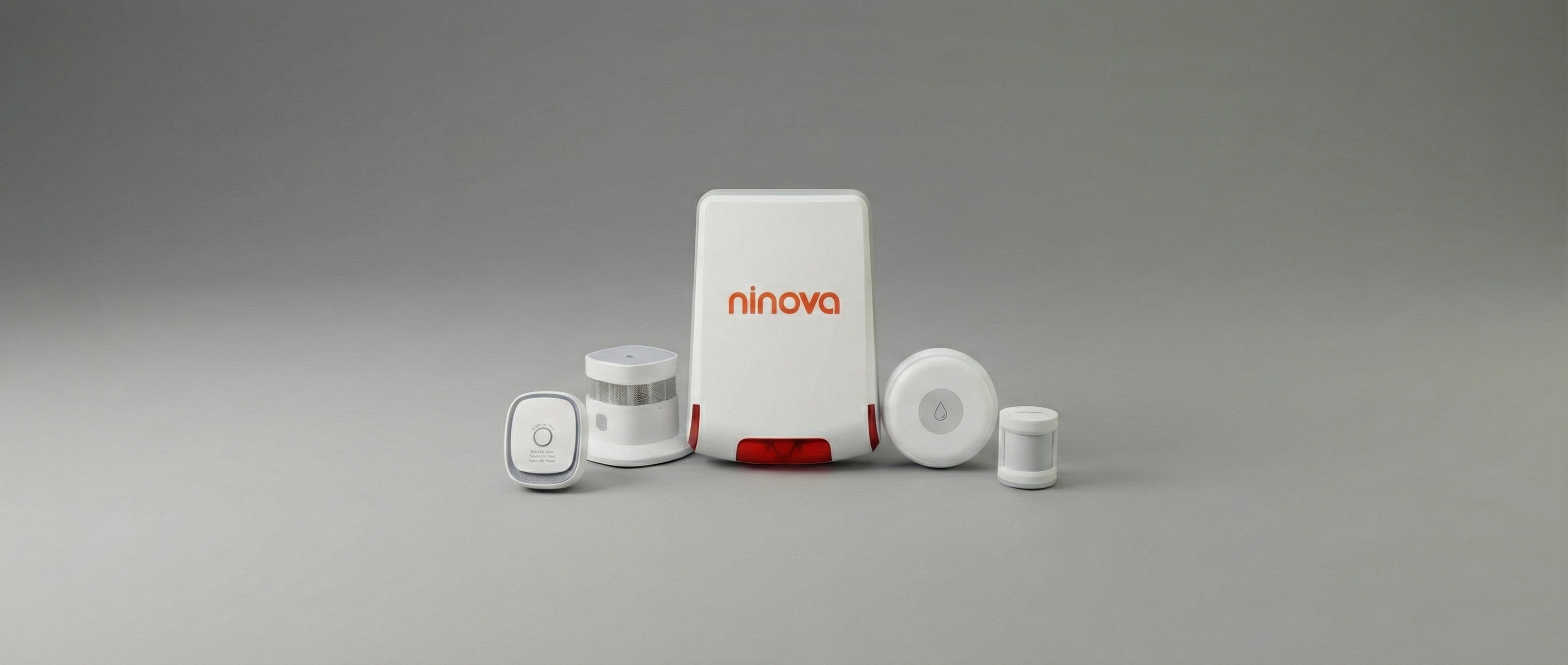
It is particularly suitable for devices such as smart switches, sensors, thermostats, smart plugs, lighting products, security devices, and other home automation products.
Zigbee is based on the IEEE 802.15.4 wireless communication standard and is designed to provide reliable communication between low-power devices.
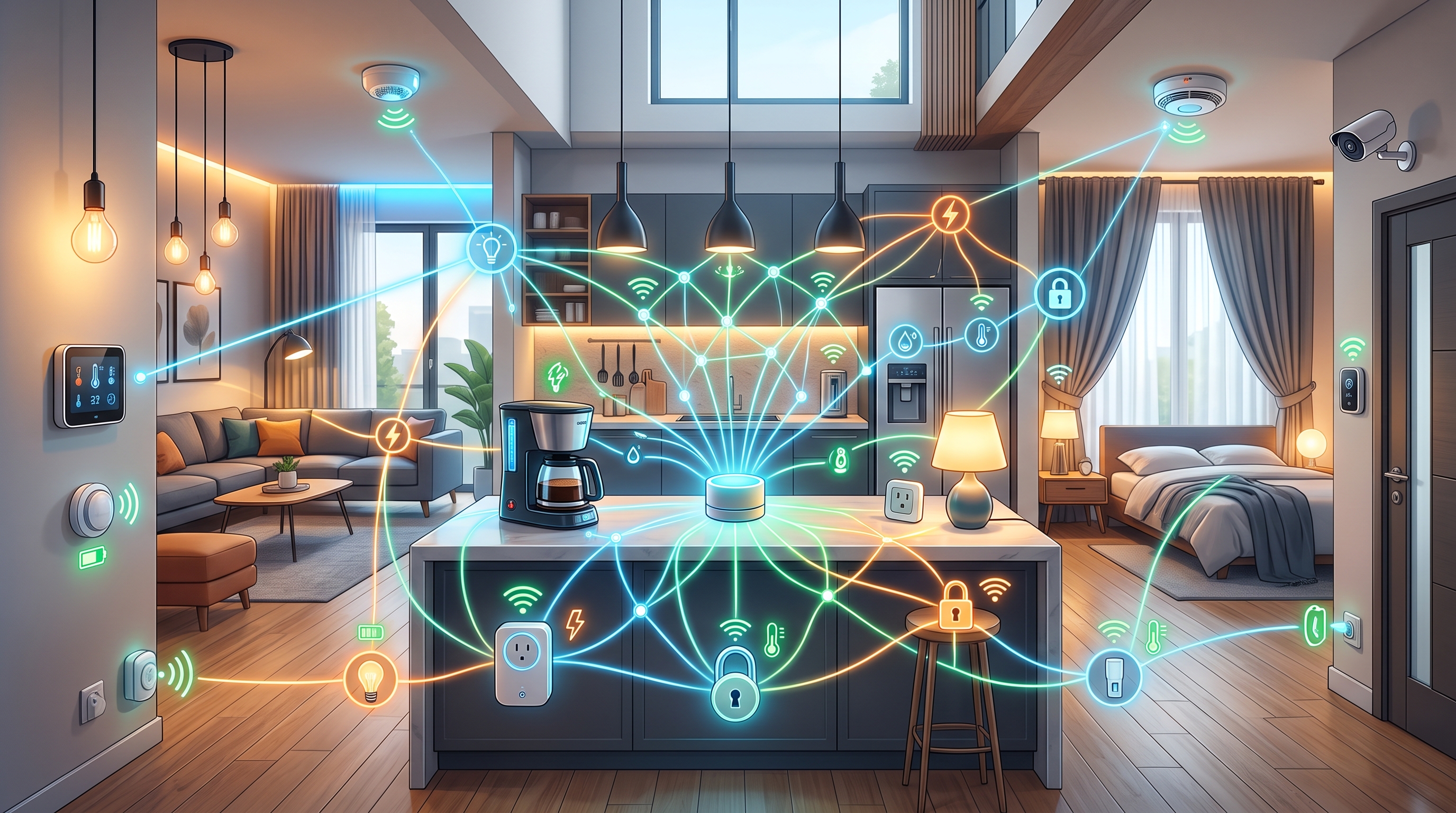
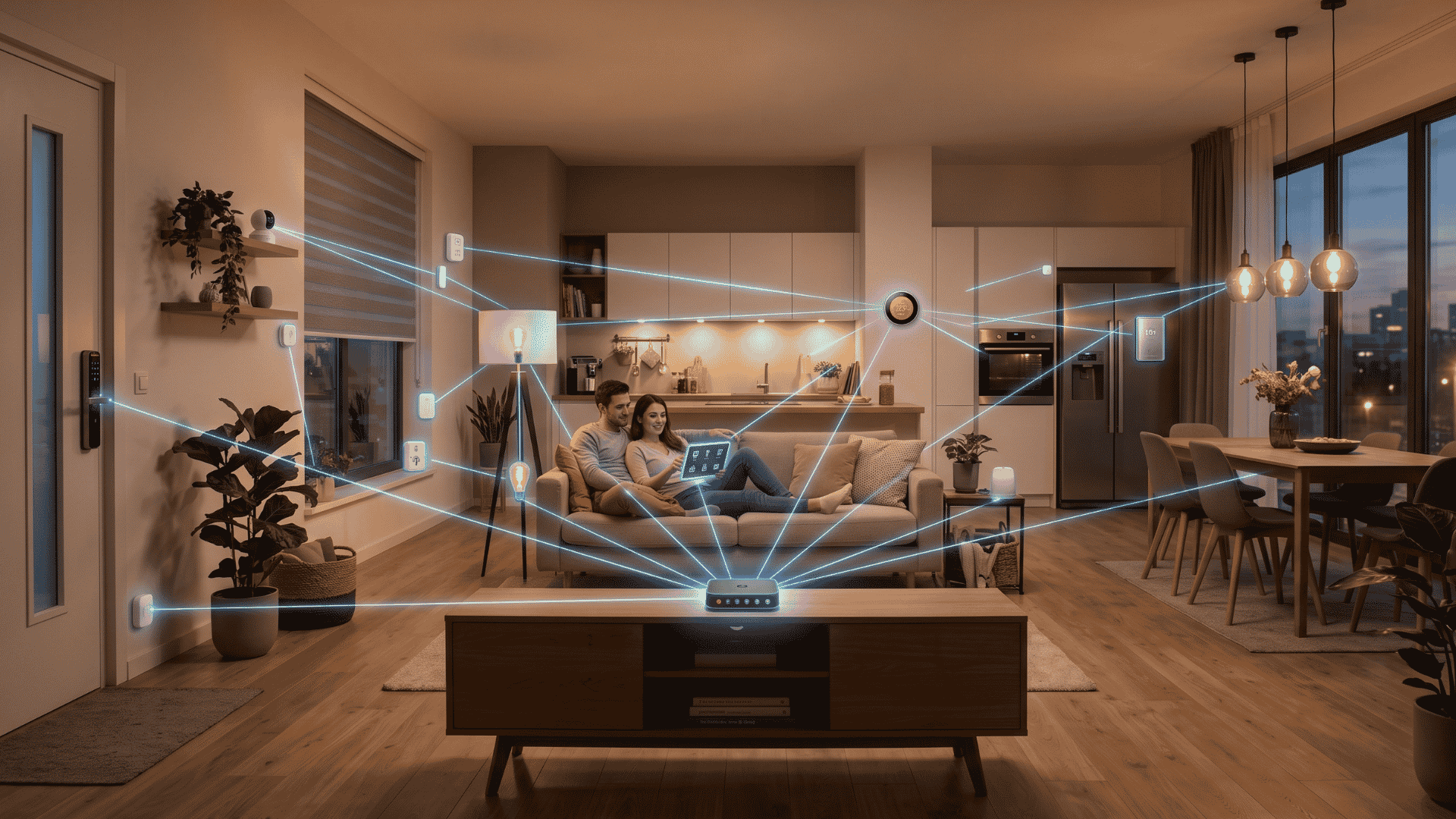
One of the most important features of Zigbee is its mesh network architecture. In a mesh network, compatible devices can communicate with each other and help transmit signals throughout the network.
This makes Zigbee especially useful for smart homes where many devices need to communicate across different rooms.
In simple terms, Zigbee acts as a wireless communication infrastructure that allows smart home devices to communicate and work together.
How Does Zigbee Work?
A typical Zigbee smart home system consists of several components working together.
One of the most important components is the Zigbee Gateway. The gateway acts as the central communication point for Zigbee devices and allows different smart products to operate within the same network.
Depending on the device, Zigbee products can also help extend the network through the mesh architecture.
For example, powered devices such as smart switches and smart plugs can potentially help transmit communication signals across the network, while battery-powered sensors can communicate when necessary to reduce energy consumption.
This mesh architecture makes Zigbee a flexible solution for homes with multiple smart devices.
What Is a Zigbee Gateway?
A Zigbee Gateway is the central device that connects and manages Zigbee-enabled smart products within a smart home system.
Smart switches, sensors, thermostats, plugs, and other Zigbee devices can communicate through the gateway. Depending on the system, the gateway can also connect the Zigbee network with a mobile application or other smart home platforms.
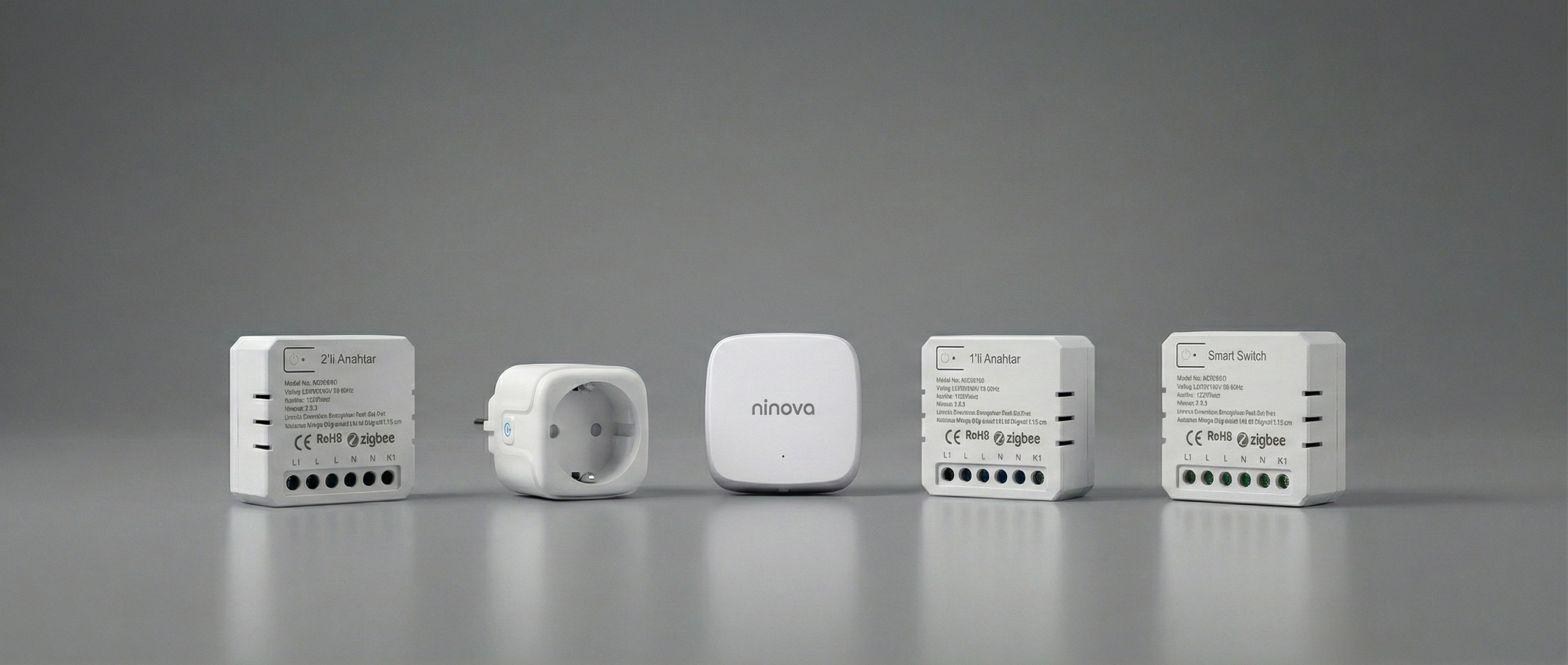
The Ninova Zigbee Gateway is designed to bring compatible Zigbee smart devices together within a single network.
Explore the Ninova Zigbee Gateway
A gateway makes it possible to manage multiple smart devices from a central point and create automation scenarios according to the user's needs.
Where Is Zigbee Used in Smart Home Systems?
Zigbee has a wide range of applications in smart home automation. Its low power consumption and mesh networking capabilities make it suitable for many different types of smart devices.
1. Smart Lighting
One of the most common applications of Zigbee technology is smart lighting.
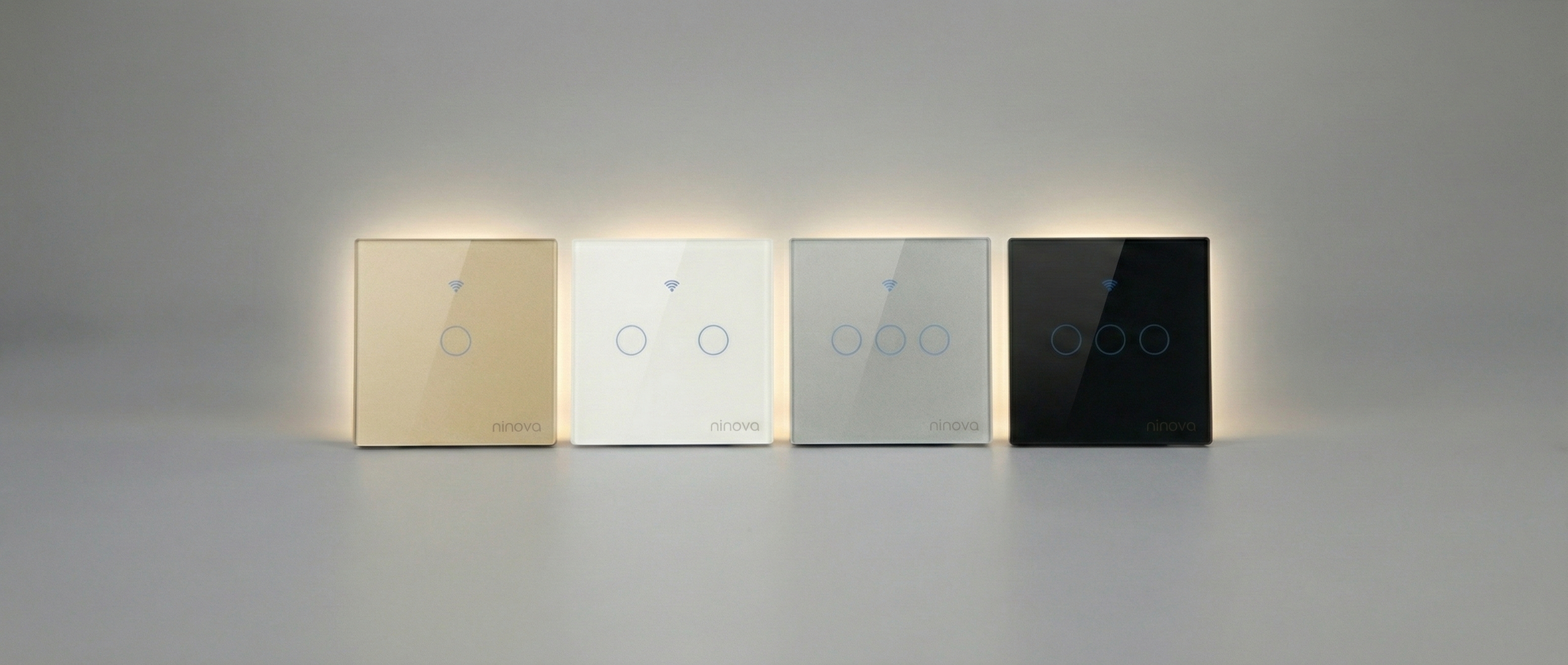
Zigbee-enabled smart switches can allow users to control lights through a mobile application, remotely turn lights on or off, and create automated lighting scenarios.
For example, a homeowner can create a “Leaving Home” scenario that turns off the lights in the living room, kitchen, hallway, and other areas with a single command.
Smart lighting can also be combined with motion sensors, schedules, and other automation devices.
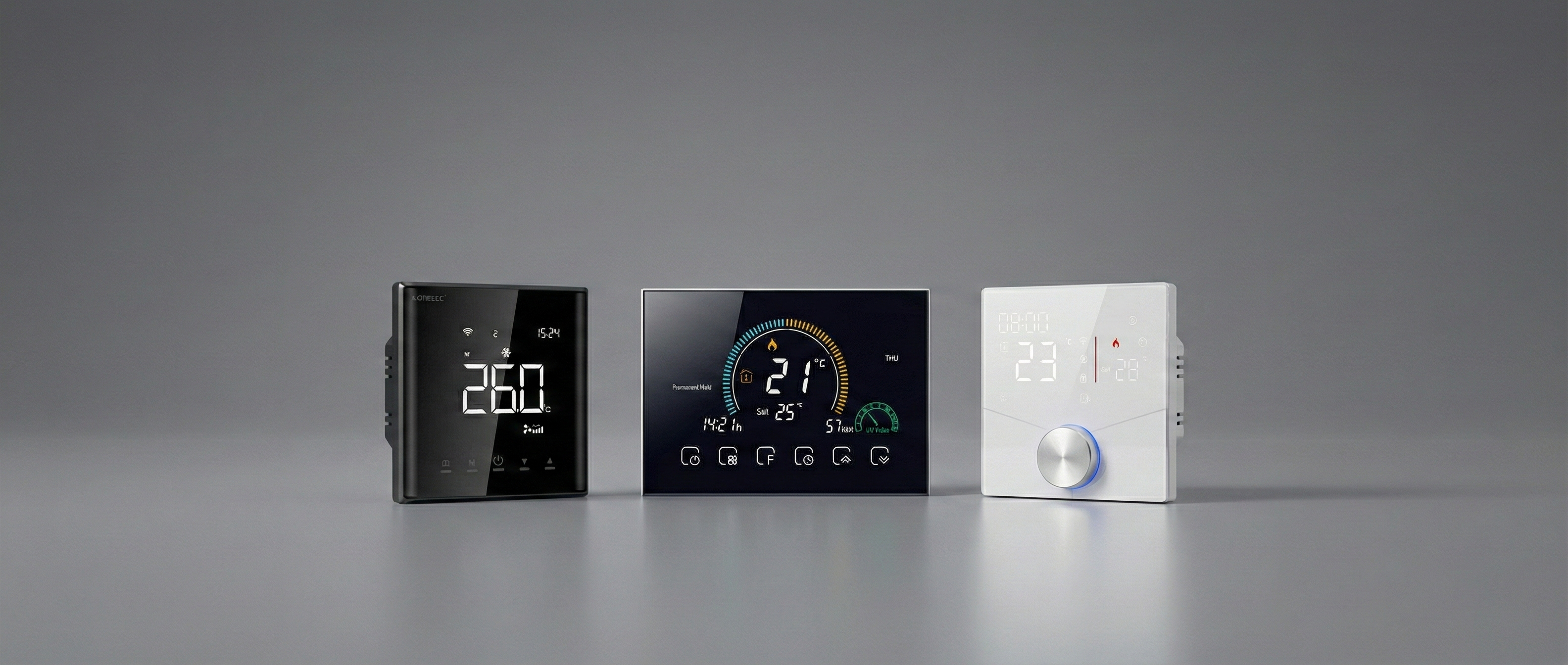
2. Smart Thermostats
Heating and temperature management are important parts of modern smart home systems.
A Zigbee smart thermostat can help users monitor and manage indoor temperature through an automated system.
For example, a thermostat can be configured to maintain a specific temperature or work according to a predefined schedule.
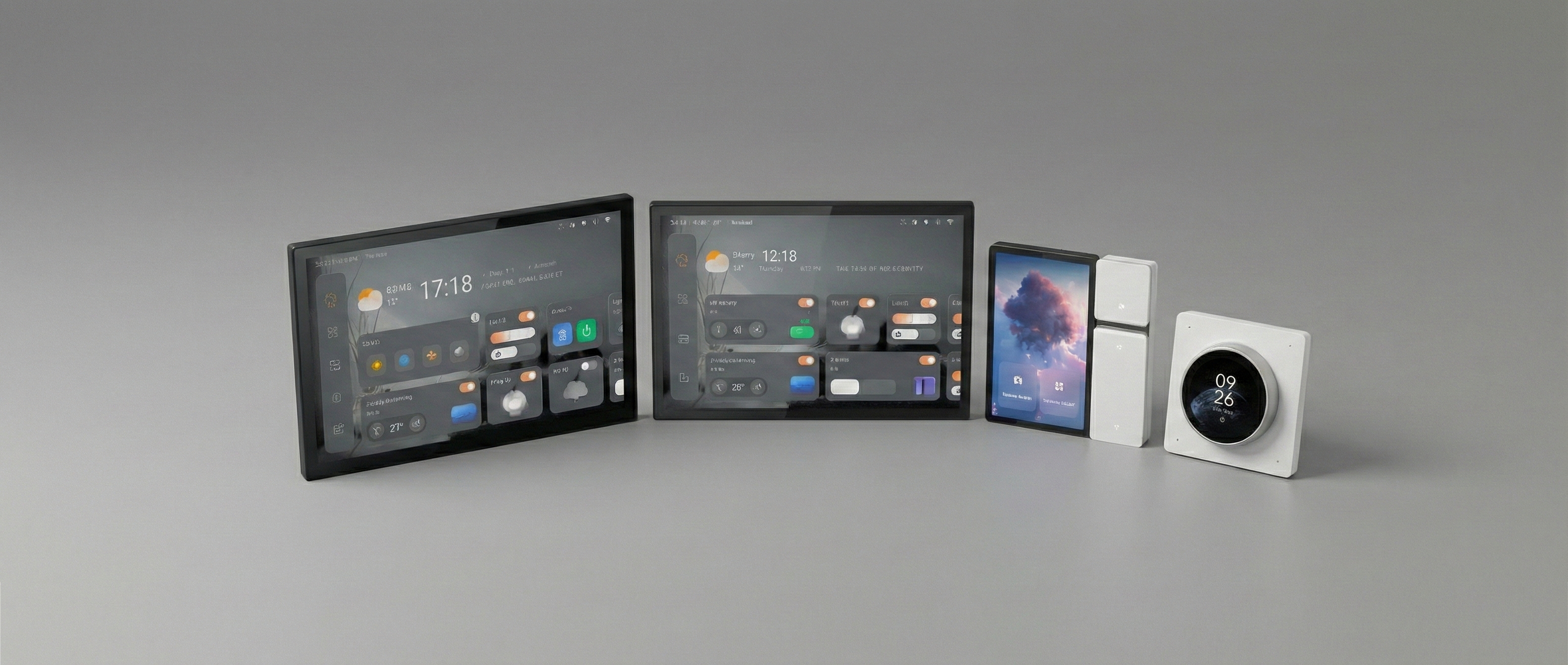
The Ninova Black Smart Thermostat is designed for smart home applications where convenient temperature control and automation are required.
Explore the Ninova Black Smart Thermostat
When integrated with a smart home system, a thermostat can become part of different automation scenarios designed around comfort and energy management.
3. Smart Switches
Smart switches are another important application of Zigbee technology.
Instead of relying only on traditional physical switches, smart switches can become part of a connected home automation system.
The Ninova Touch Panel Smart Switch provides a modern touch-based interface for controlling lighting while being suitable for smart home automation applications.
Explore the Ninova Touch Panel Smart Switch
Depending on the system configuration, smart switches can be controlled manually, remotely, or through automated scenarios.
4. Smart Plugs
Zigbee smart plugs can turn conventional electrical appliances into controllable smart devices.
For example, a smart plug can be used with a coffee machine, floor lamp, or another electrical appliance.
Users can create schedules or automation scenarios according to their daily routines.
This makes it possible to integrate existing appliances into a larger smart home ecosystem without replacing the entire device.
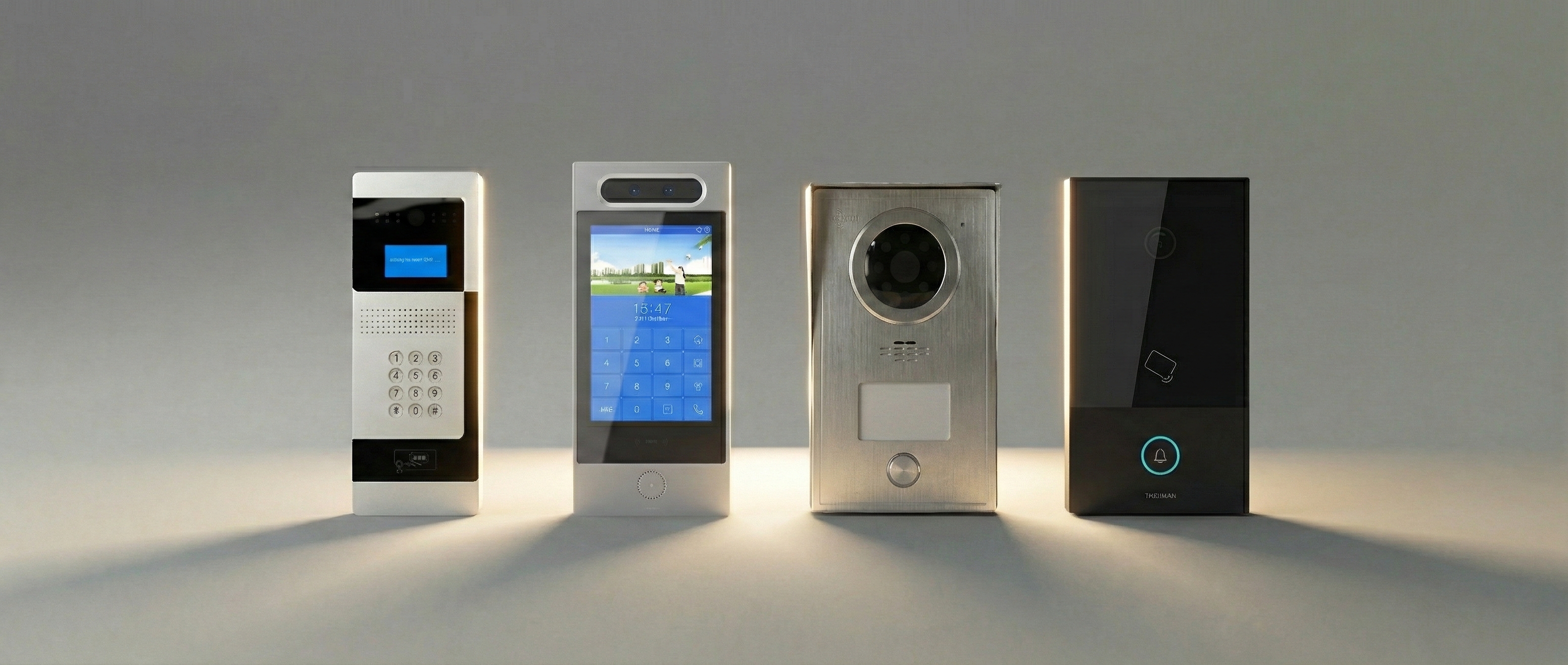
5. Security Sensors
Zigbee is also widely used for smart home security.
Door and window sensors, motion sensors, water leak sensors, temperature sensors, and other devices can communicate through a Zigbee network.
For example, a water leak sensor can detect water and trigger an alert or automation scenario.
Similarly, a door or window sensor can detect an unexpected opening and trigger a notification or security scenario.
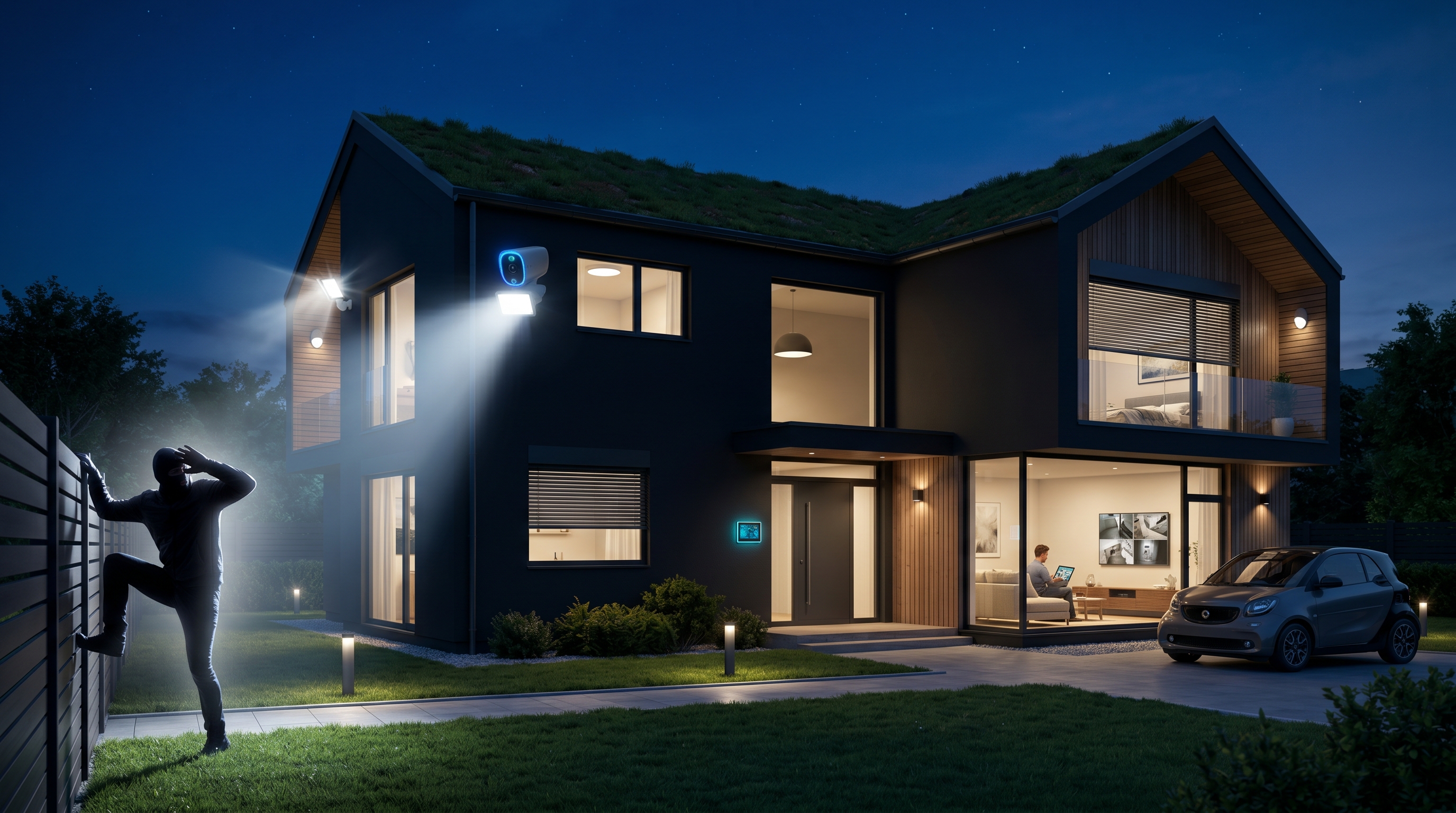
This demonstrates that Zigbee can contribute not only to comfort but also to home security and automation.
What Are the Advantages of Zigbee?
Low Power Consumption
One of the key advantages of Zigbee is its focus on low power consumption.
This is particularly important for battery-powered smart home devices such as motion sensors, door sensors, and temperature sensors.
Because these devices do not need to continuously transmit large amounts of data, Zigbee can be suitable for applications where long battery life is important.
Mesh Network Architecture
The mesh network structure is another major advantage of Zigbee.
Instead of relying solely on communication between each device and a single central point, compatible devices can help extend communication throughout the network.
This can be particularly useful in larger homes, villas, offices, and other buildings with multiple smart devices.
Reliable Communication
Zigbee is designed specifically for low-power IoT communication and smart automation applications.
Its network architecture allows compatible devices to communicate efficiently without requiring the high bandwidth needed by applications such as video streaming.
Security
Security is an important consideration for any connected home.
Zigbee incorporates security mechanisms designed to protect communication between devices and help create a secure smart home network.
For this reason, Zigbee is widely used in home automation and IoT applications.
Scalable Smart Home Infrastructure
A smart home does not have to consist of only a few devices.
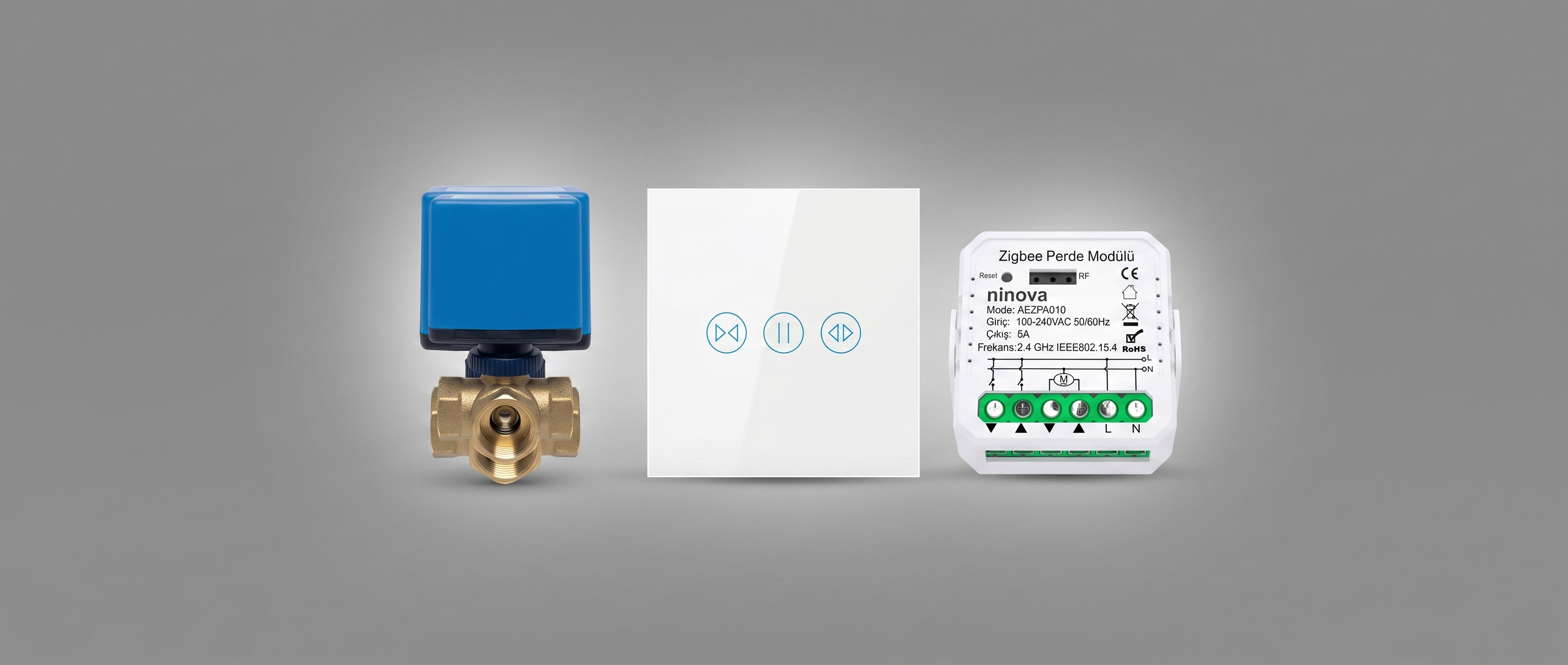
Lighting, thermostats, smart plugs, blinds, curtains, sensors, and other products can be integrated into the same automation ecosystem.
Zigbee provides a flexible infrastructure that can be expanded as the user's needs increase.
Zigbee vs. Wi-Fi: What Is the Difference?
Zigbee and Wi-Fi are designed for different purposes.
Wi-Fi is ideal for applications that require high data transfer rates, such as internet access, computers, smart TVs, and video cameras.
Zigbee, on the other hand, is designed for low-power devices that typically exchange small amounts of data.
For example, a smart camera may require Wi-Fi because it needs to transmit video.
A door sensor does not need high bandwidth because it may only need to communicate information such as “open” or “closed.”
Therefore, Zigbee can be a highly suitable communication technology for smart home automation devices.
In many modern smart homes, Wi-Fi and Zigbee can work alongside each other, with each technology being used for the applications it is best suited for.
Who Can Benefit From a Zigbee Smart Home System?
Zigbee can be used in a wide variety of residential and commercial projects.
It can be considered for:
- Apartments
- Villas
- Residential developments
- Smart homes
- Offices
- Hotels
- Commercial buildings
- New construction projects
Especially in new residential projects, lighting, heating, blinds, security, and energy management can be planned as part of a connected automation system.
This approach can provide homeowners with a more comfortable and convenient living experience.
Smart Home Automation Scenarios With Zigbee
The real value of Zigbee becomes more apparent when different devices are combined into automation scenarios.
For example, a “Leaving Home” scenario could turn off all lights, close the blinds, deactivate selected smart plugs, and activate security-related devices.
A “Night” scenario could turn off the main lights while keeping a hallway light active at a lower level.
A “Morning” scenario could open blinds, activate selected lighting, and adjust the thermostat to the desired temperature.
These examples show how Zigbee can transform individual smart devices into a coordinated smart home automation system.
Instead of controlling every device individually, users can create scenarios that allow multiple devices to respond to a single command or predefined condition.
Is Zigbee Suitable for Modern Smart Homes?
For users who want to build a connected home with multiple smart devices, choosing the right communication infrastructure is important.
Zigbee can be particularly useful when low power consumption, device interoperability, mesh networking, and scalable automation are important requirements.
The technology can be used with smart switches, thermostats, sensors, smart plugs, lighting products, blinds, and many other smart home devices.
When these devices are combined with a suitable Zigbee Gateway, they can become part of a centralized smart home ecosystem.