What Is a Smart Plug? How Does a WiFi Smart Plug Work?

As technology continues to evolve, the way we control electronic devices in our homes is changing. Traditional electrical outlets simply provide power, while smart plugs allow users to remotely control electrical devices, schedule their operation, and integrate them into smart home automation systems. WiFi smart plugs, in particular, have become popular solutions for modern homes thanks to the convenience and flexibility they offer.
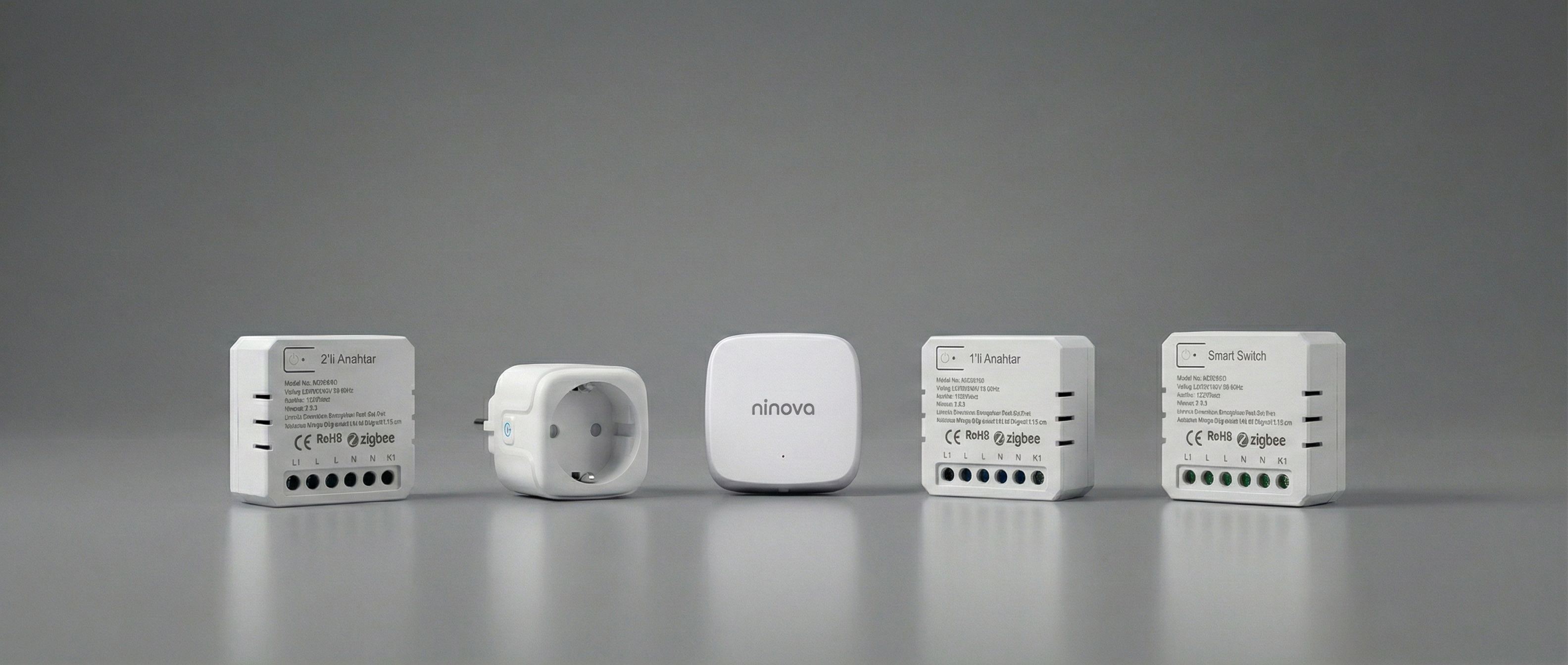
For homeowners looking to benefit from smart home technology, the Ninova Zigbee Smart Plug offers a practical solution for integrating electrical devices into a smart home system.
So, what is a smart plug, how does a WiFi smart plug work, and what advantages can these technologies offer in everyday life? Let's explore smart plug technology in detail.
What Is a Smart Plug?
A smart plug is a device that connects to a standard electrical outlet and allows users to remotely control the power supply of connected electronic devices. Thanks to wireless communication technologies, smart plugs can be managed through mobile applications or compatible smart home systems.
With a traditional outlet, turning an electrical device on or off usually requires pressing its physical button or unplugging it. A smart plug makes these operations possible through a smartphone.
For example, imagine leaving home and wondering whether you forgot to turn off your iron. With a smart plug that supports remote control, you can switch off the connected device's power through your smartphone.
Smart plugs have a wide range of applications. Lamps, decorative lighting, coffee machines, fans, and many other devices that operate when power is supplied can be controlled through these systems.
This allows you to manage different electronic devices more conveniently and make everyday life easier.
How Does a WiFi Smart Plug Work?
A WiFi smart plug is a type of smart plug that uses a wireless internet connection to enable remote control of electrical devices.
The operating principle is simple. The WiFi smart plug connects to your home's wireless network and is then paired with a compatible mobile application. Once the setup is complete, you can turn the connected device on or off using your smartphone.
The process generally involves the following steps:
-
Network connection: The smart plug connects to a compatible WiFi network.
-
Mobile app pairing: The device is added to the manufacturer's compatible smartphone application.
-
Remote control: Users can turn the plug on or off through the application.
-
Scheduling: Supported models allow users to schedule when connected devices turn on or off.
-
Automation: Compatible smart home systems can be used to create automated routines involving different devices.
For example, if you want your coffee machine to start at 7:00 AM, you can create a schedule using a compatible smart plug with a scheduling feature. This allows you to automate your daily routines more conveniently.
One of the main advantages of WiFi smart plugs is that you do not need to be physically near the device to control it. When the necessary internet connection and remote access conditions are available, you can manage your connected devices from different locations.
What Does a Smart Plug Do?
Smart plugs are not limited to turning electrical devices on and off. Depending on their features, they can also help manage different smart home needs.
Some of the most common applications of smart plugs include:
Remote device control: You can manage electrical devices through a mobile application. Depending on the system, you can also check and control your smart plug when you are away from home.
Scheduling: You can automatically turn devices on or off at specific times. This is particularly useful for devices that are used at the same time every day.
Energy management: Some smart plug models include energy monitoring features. These allow users to track the electricity consumption of connected devices and evaluate their energy usage habits.
Everyday convenience: You can control multiple devices through your smartphone, reducing the need to physically reach their power outlets.
Smart home automation: Compatible smart plugs can work together with sensors and other smart home devices to create automated scenarios based on specific conditions.
It is important to note that not every smart plug includes all these features. When choosing a product, you should check its specifications and make sure it supports the functions you need.
What Is the Difference Between a WiFi Smart Plug and a Smart Plug?
Although the terms WiFi smart plug and smart plug are often used interchangeably, there is a technological distinction between them.
A smart plug is the general term for electrical outlets equipped with remote control and automation features. A WiFi smart plug is a specific type of smart plug that uses WiFi wireless communication to provide these functions.
Smart plugs do not exclusively use WiFi technology. Some models use other wireless communication technologies, such as Zigbee or Bluetooth.
For example, Zigbee smart plugs can connect to a smart home system through a compatible Zigbee gateway or hub. This allows them to work alongside other Zigbee devices and support more comprehensive automation scenarios.
Therefore, when choosing a smart plug, you should consider not only its wireless connectivity but also the communication protocol it uses and its compatibility with your existing smart home system.
WiFi Smart Plug vs. Zigbee Smart Plug
One of the most common questions among people planning a smart home system is the difference between WiFi and Zigbee technology.
Both technologies enable wireless communication and remote control of devices. However, they differ in how they operate and in their typical applications.
WiFi smart plugs communicate through a wireless internet network. They can generally be used without an additional central hub, making installation relatively straightforward. They provide remote control capabilities through an internet connection.
Zigbee smart plugs use the Zigbee wireless communication protocol. They generally require a compatible gateway or hub to connect to the smart home system. This infrastructure allows multiple Zigbee devices to be integrated into the same smart home network.
One of the key advantages of Zigbee technology is its ability to support a network in which multiple smart devices communicate with one another. In supported network configurations, Zigbee devices can relay communication through one another, helping extend network coverage.
Zigbee technology can be particularly useful in projects involving numerous sensors, switches, plugs, and automation devices.
The best choice depends on your needs and the infrastructure of your smart home system.
What Are the Benefits of Using Smart Plugs?
Smart plug technology offers practical advantages that can make everyday life easier.
1. Greater control
You can manage your electrical devices through your smartphone, making everyday operation more convenient without needing to physically reach the outlets.
2. Programmable operation
With scheduling features, you can set specific operating times for your devices in advance. This helps automate repetitive daily routines.
3. Smart home integration
Compatible smart plugs can work with sensors, smart switches, and other automation devices. This makes it possible to manage different devices through a unified smart home system.
4. Energy monitoring
Models equipped with energy monitoring features allow you to observe the electricity consumption of connected devices. This can help identify unnecessary energy usage.
5. A more comfortable living environment
By automating the control of frequently used devices, you can create a more convenient and efficient home experience.
However, using a smart plug does not automatically guarantee energy savings. The amount of energy saved depends on the connected devices, usage habits, and automation settings.
What Should You Consider When Buying a Smart Plug?
Choosing a smart plug should not be based solely on price or appearance. Its technical specifications, safety standards, and compatibility with your existing system are equally important.
Here are some key factors to consider:
-
Connectivity technology: Determine whether WiFi, Zigbee, or Bluetooth is the most suitable option for your needs.
-
Electrical capacity: Check the maximum current and power ratings supported by the smart plug.
-
Application support: Verify which mobile applications the product is compatible with.
-
Automation features: Consider scheduling, scene creation, and integration with other smart devices.
-
Energy monitoring: If you want to track electricity consumption, check whether this feature is available.
-
Safety: Make sure the product complies with relevant electrical safety standards and includes the necessary protection features.
-
Smart home compatibility: Choose a product that works with your existing gateway, hub, or automation infrastructure.
Special attention should be paid to the technical capacity of smart plugs when connecting high-power electrical devices. If you intend to use appliances such as heaters or irons, make sure their power requirements do not exceed the manufacturer's specified limits.
Make Your Home Smarter with Smart Plugs
Smart home technology provides greater control over electronic devices while making everyday life more convenient. Smart plugs are among the most practical products in this transformation.
With WiFi smart plug technology, you can remotely manage your devices, organize daily routines through scheduling features, and create different automation scenarios with compatible smart home systems.
For those looking to build a more comprehensive automation infrastructure, Zigbee technology is also an important alternative. By enabling different smart home devices to operate within the same network, it helps expand your home's control system.
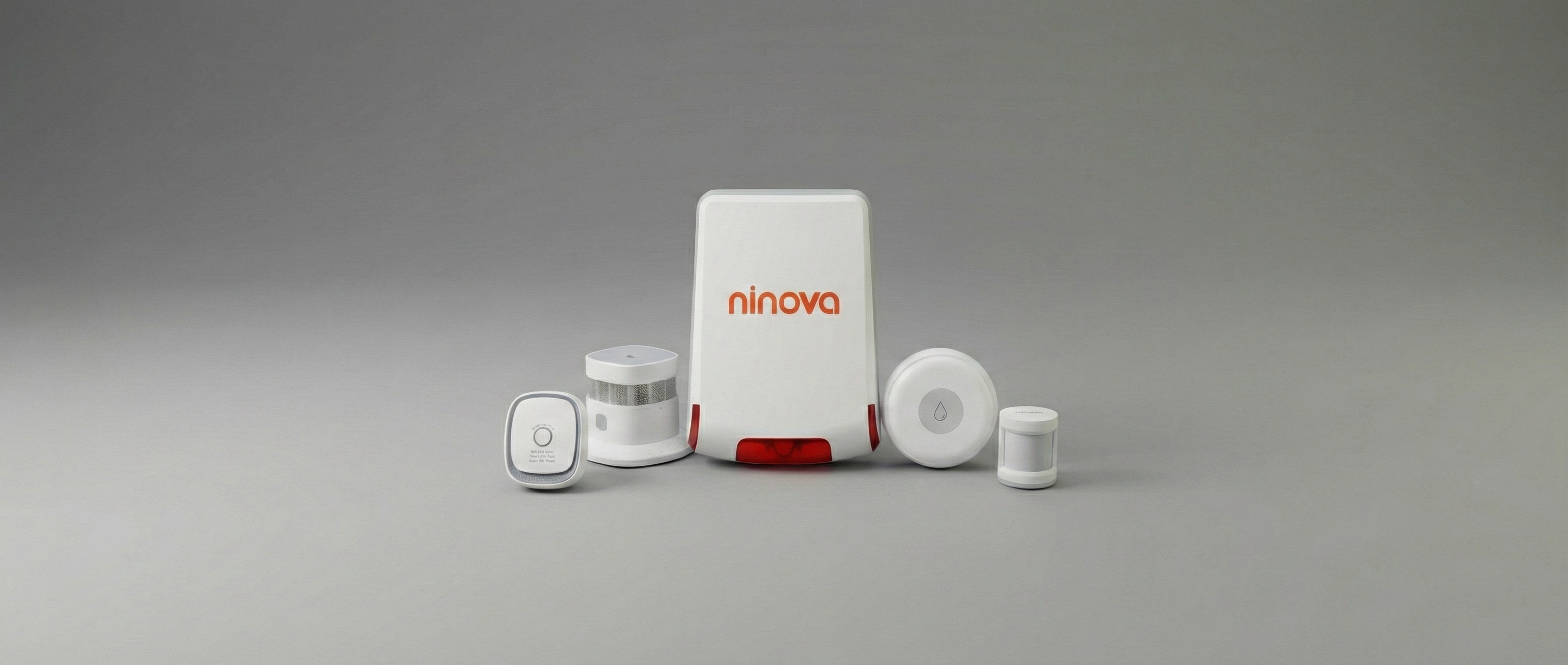
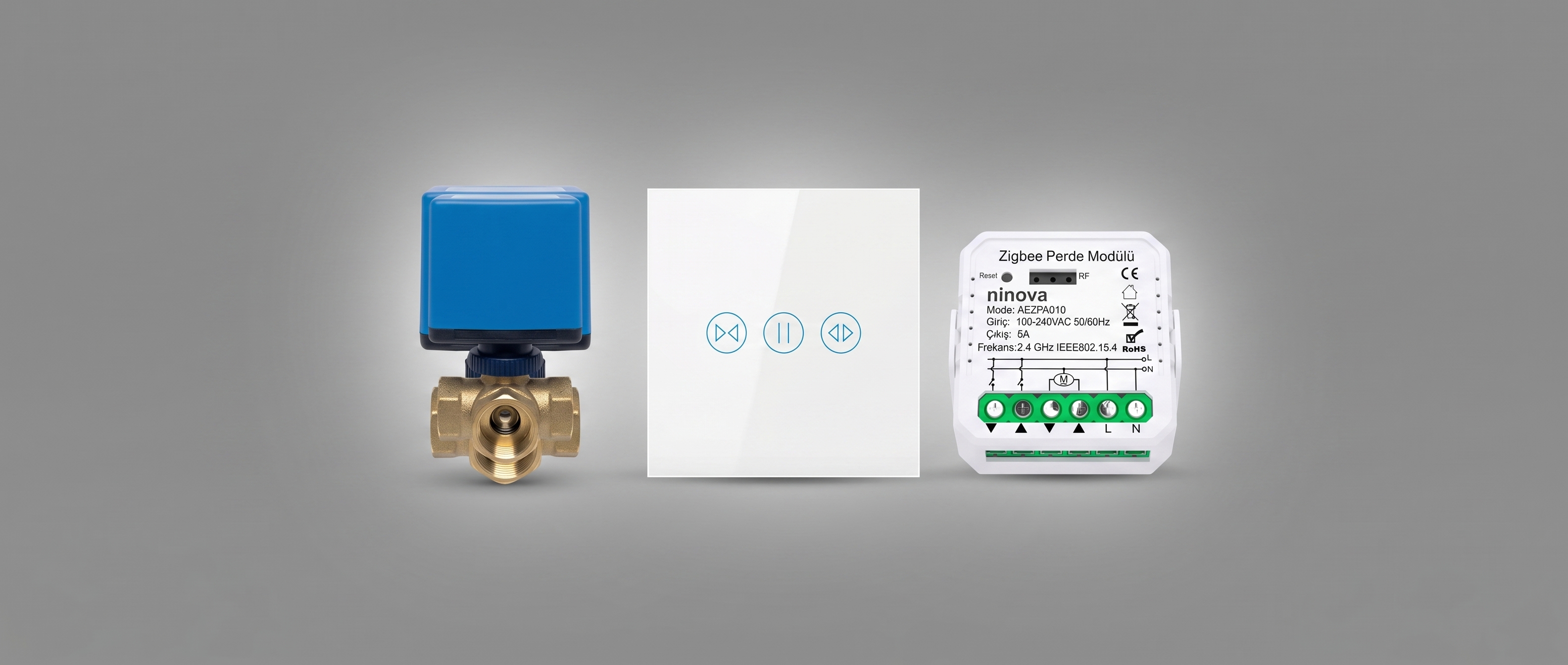
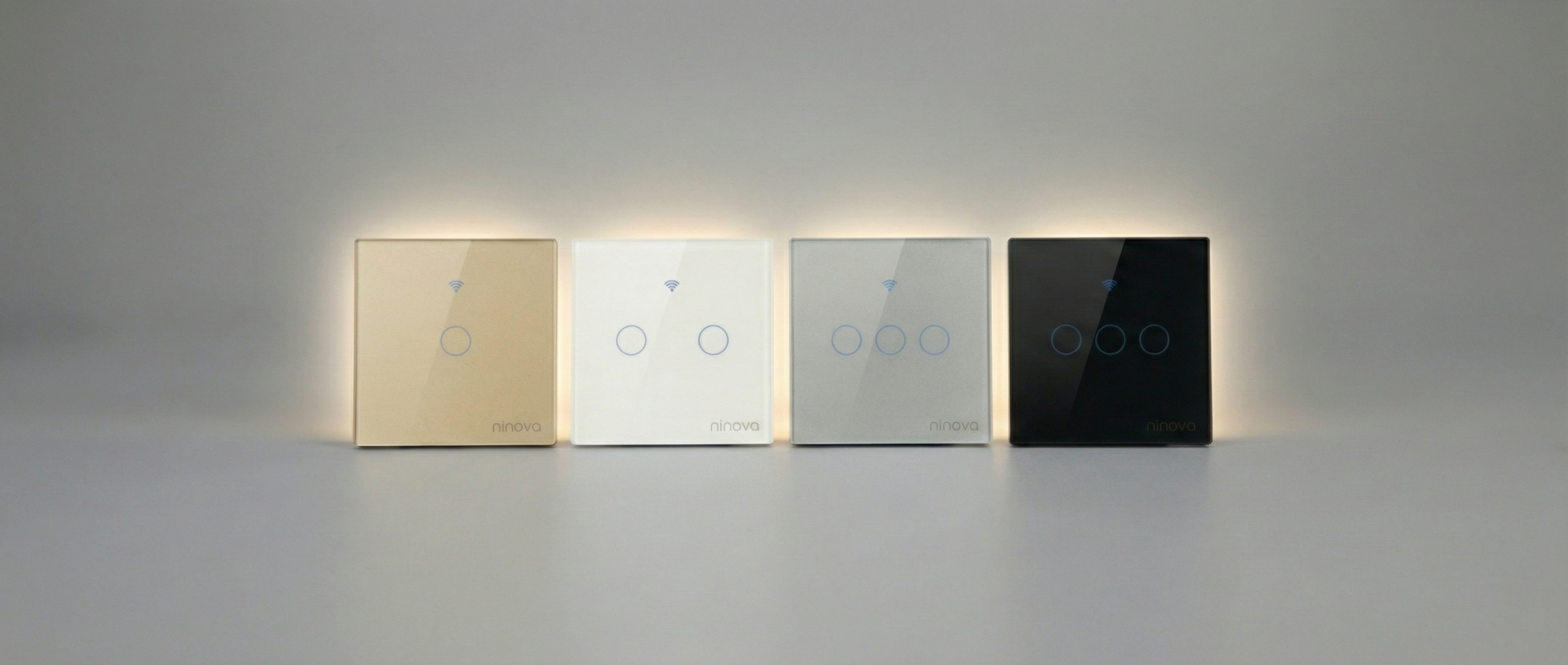
With Ninova Smart Home Systems, you can bring technology into your living spaces and explore a wide range of solutions, including smart plugs, sensors, lighting control systems, and smart switches.
Discover smart home technology and transform your home into a living space that not only allows remote control but can also operate automatically according to your needs.