What Is Zigbee? Why Is It Preferred in Smart Homes?
Smart home technologies are becoming increasingly popular among homeowners and businesses alike. From lighting and security systems to energy management and home automation, smart devices rely on fast, secure, and uninterrupted communication to deliver a seamless user experience. This is where Zigbee technology stands out as one of the leading wireless communication protocols, thanks to its low power consumption, reliable connectivity, and wide coverage.
But what exactly is Zigbee? Why is it so widely used in smart home systems? How does it differ from Wi-Fi and Bluetooth? In this article, we'll explore Zigbee technology in detail, including its advantages, applications, and why it is considered an ideal solution for modern smart homes.
What Is Zigbee?
Zigbee is a wireless communication protocol designed for short-range, low-power data transmission. It is based on the IEEE 802.15.4 standard and was specifically developed for the Internet of Things (IoT) and smart home applications.
Unlike Wi-Fi, which is designed for high-bandwidth applications, Zigbee is optimized for devices that exchange small amounts of data, such as sensors, smart switches, smart plugs, lighting systems, and alarm devices.
A single Zigbee network can support dozens or even hundreds of connected devices simultaneously, making it an excellent choice for home automation systems.
How Does Zigbee Work?
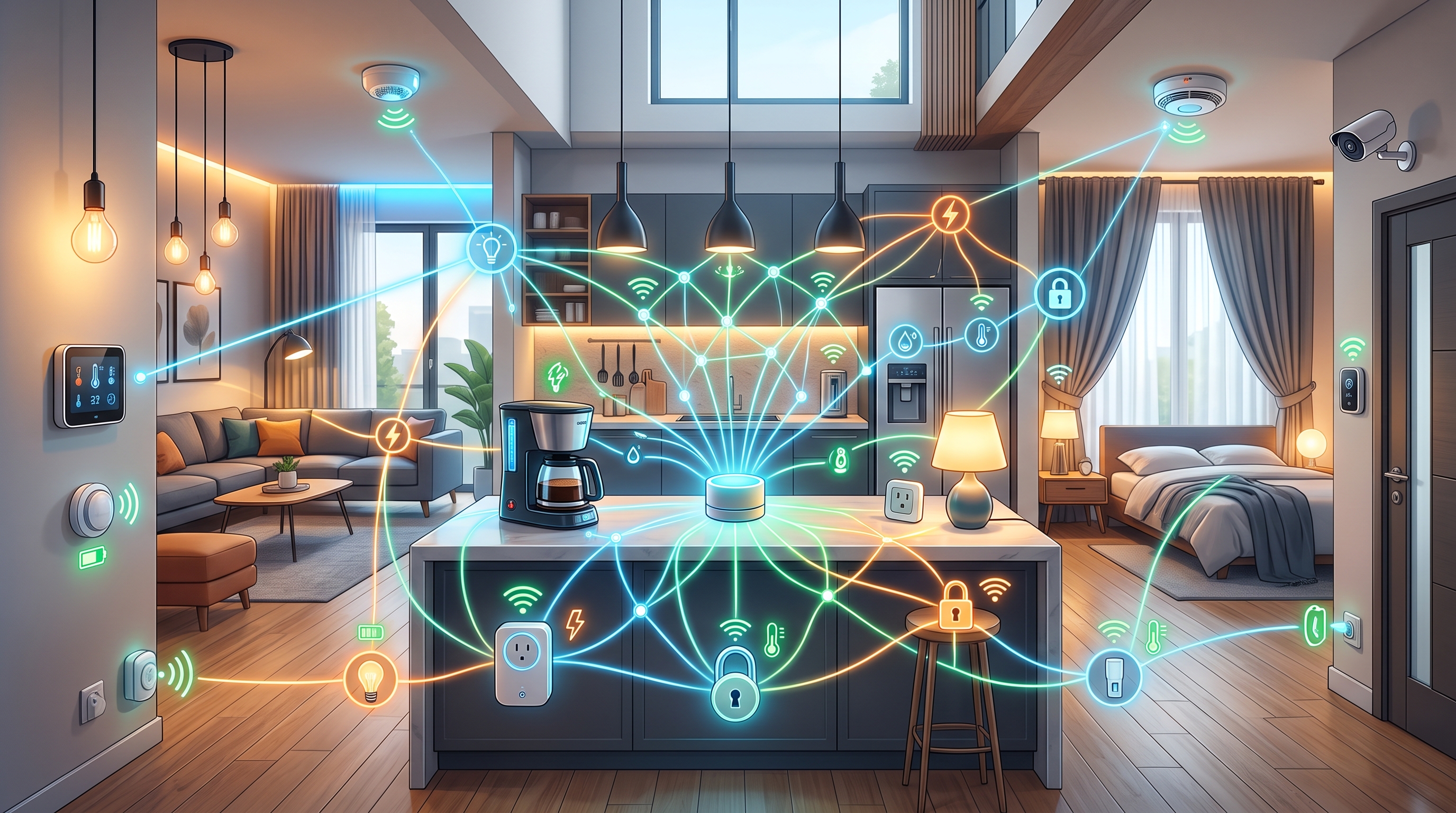
A Zigbee network consists of three main components:
Zigbee Hub (Gateway)
The Zigbee Hub, also known as the Gateway, serves as the central controller of the network. It enables communication between all Zigbee devices and connects the Zigbee network to the internet when remote access is required.
Zigbee Router
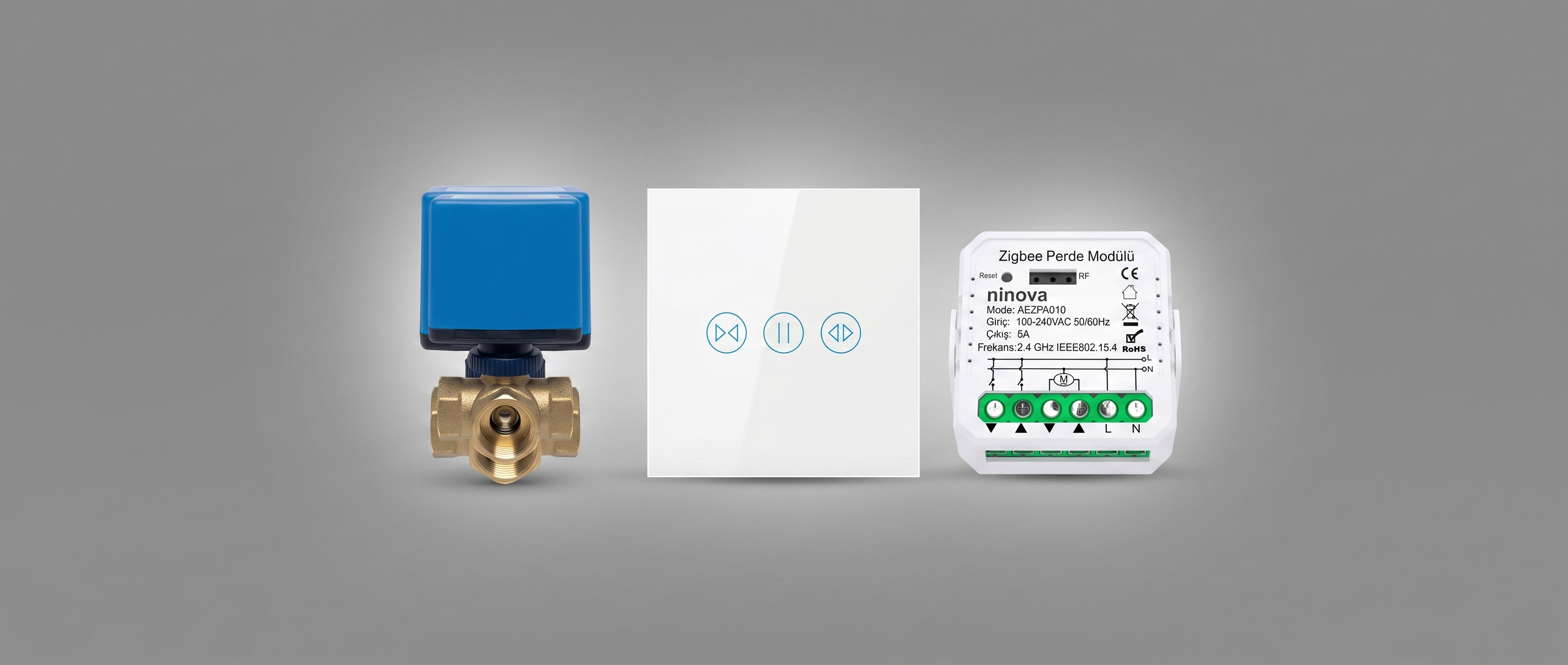
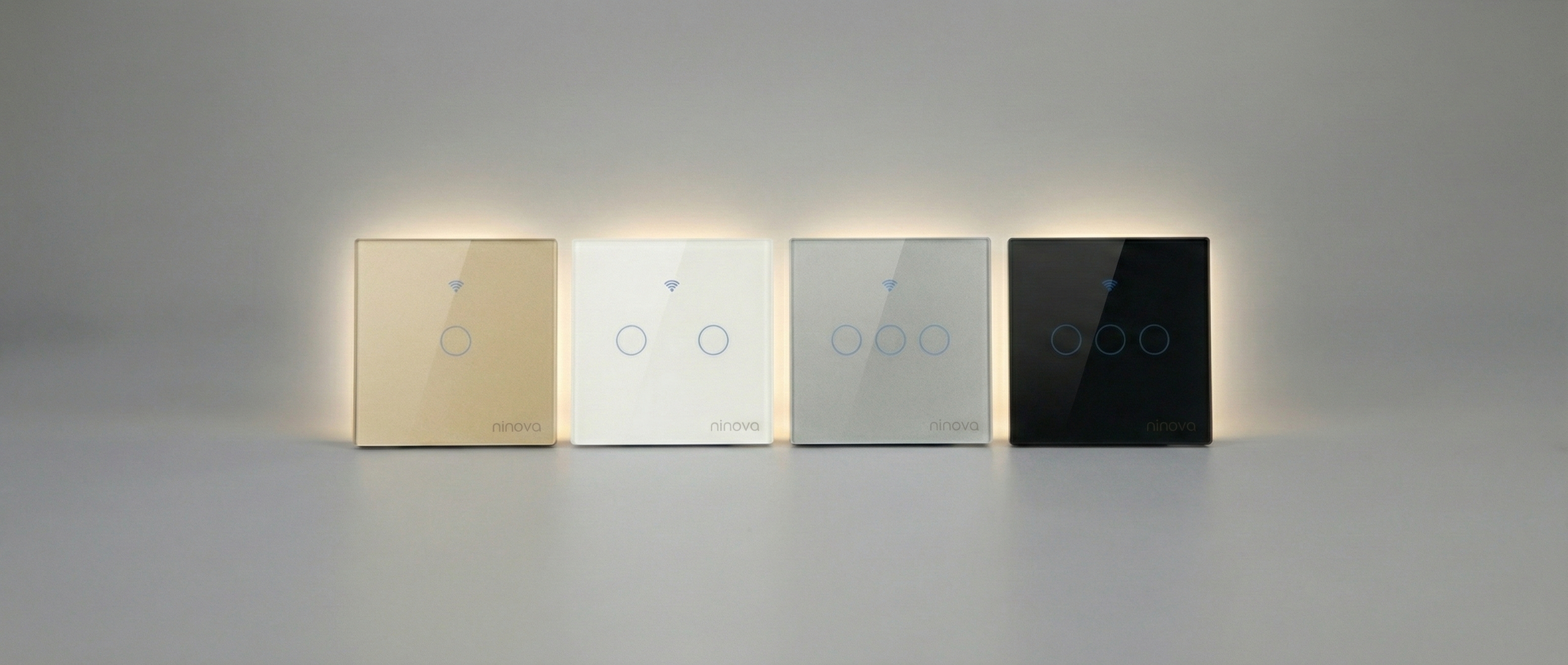
Mains-powered devices such as smart plugs, smart bulbs, and wall switches act as Zigbee Routers. These devices relay signals to other Zigbee devices, extending the overall coverage of the network.
Zigbee End Device
Battery-powered devices such as smoke detectors, gas sensors, motion sensors, door/window sensors, and water leak sensors are classified as Zigbee End Devices. To maximize battery life, these devices transmit data only when necessary.
Thanks to this architecture, Zigbee networks offer excellent stability, efficiency, and reliability.
What Is Mesh Network Technology?
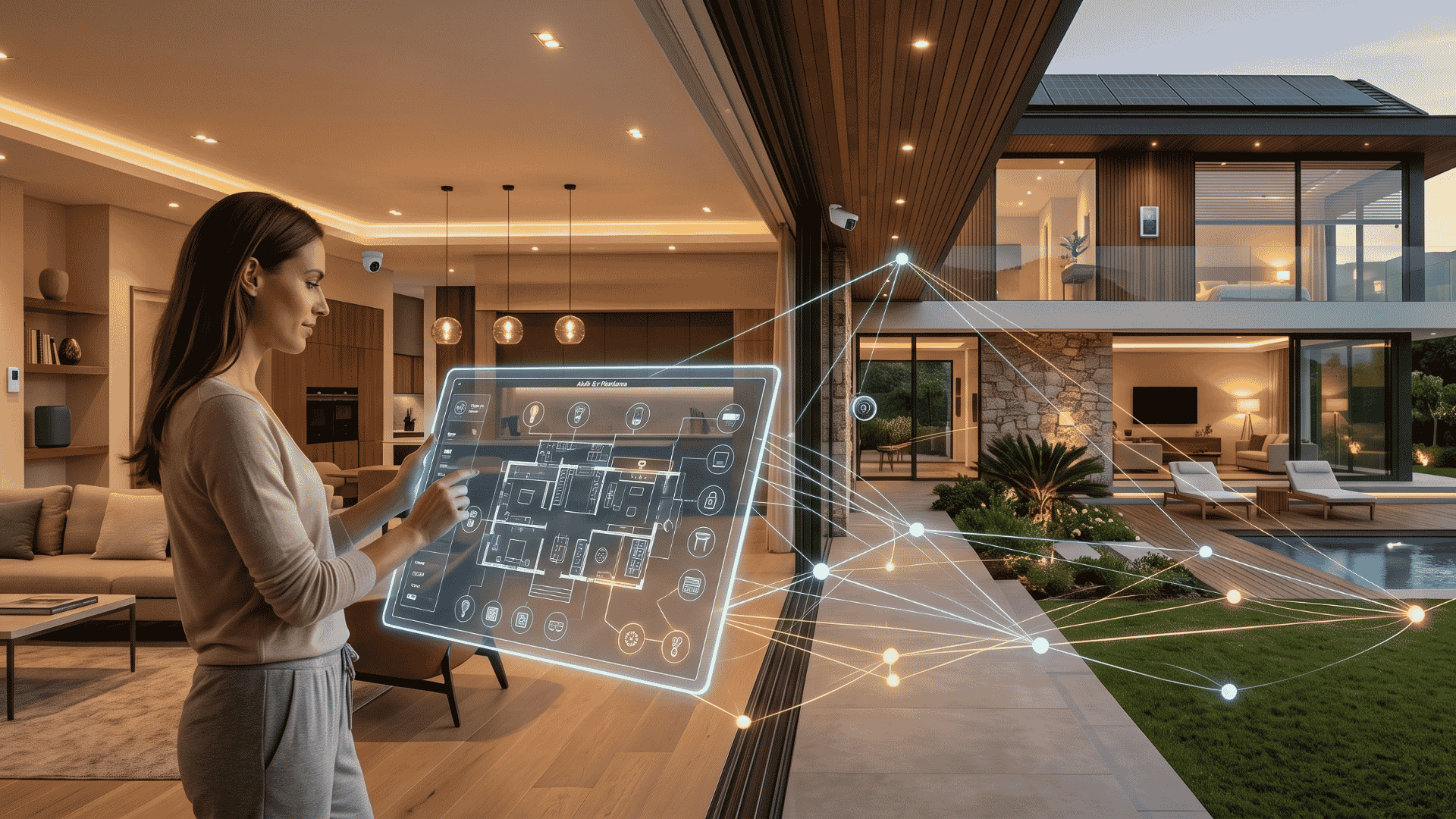
One of Zigbee's greatest strengths is its Mesh Network architecture.
Instead of communicating only with the central hub, Zigbee devices can also communicate with one another. Each powered device helps relay signals across the network.
For example, a smart plug in your living room can forward data to a smart switch in the hallway, allowing communication even when the destination is beyond the hub's direct range.
As a result, users benefit from:
- Wider wireless coverage
- Fewer connection interruptions
- More stable communication
- More reliable home automation
Key Advantages of Zigbee
Low Power Consumption
One of Zigbee's biggest advantages is its exceptional energy efficiency. Battery-powered devices can often operate for several years without requiring a battery replacement.
This makes Zigbee an ideal technology for:
- Smoke sensors
- Gas sensors
- Motion sensors
- Door and window sensors
- Water leak sensors
Reliable Communication
Heavy Wi-Fi traffic can sometimes affect network performance.
Since Zigbee is designed to transmit only small amounts of data, it provides a more stable and reliable connection for smart home devices.
Fast Response Time
When a sensor detects an event, Zigbee can transmit commands to other devices within milliseconds.
For example:
- A smoke sensor can activate a siren immediately.
- A gas leak sensor can send an instant notification to your smartphone.
- A water leak sensor can trigger an automation scenario to help prevent damage.
Supports Large Numbers of Devices
A single Zigbee network can manage hundreds of connected devices simultaneously.
This makes it an excellent solution for both large homes and commercial buildings.
Secure Data Transmission
Zigbee devices use AES-128 encryption, providing a high level of security for wireless communication and helping protect sensitive data from unauthorized access.
Zigbee vs. Wi-Fi
| Feature | Zigbee | Wi-Fi |
|---|---|---|
| Power Consumption | Very Low | High |
| Battery Life | Several Years | Shorter |
| Data Speed | Low | Very High |
| Primary Purpose | Sensors & Automation | Internet Connectivity |
| Mesh Networking | Yes | Limited |
| Number of Connected Devices | Hundreds | More Limited |
Wi-Fi is better suited for high-bandwidth devices such as smartphones, computers, and streaming devices.
Zigbee, on the other hand, is specifically designed for smart sensors and home automation systems.
Zigbee vs. Bluetooth
Bluetooth is primarily designed for short-range device connections.
Compared to Bluetooth, Zigbee offers several significant advantages:
- Supports more connected devices
- Lower power consumption
- Greater network coverage
- Mesh networking capability
- Better performance for home automation
What Devices Use Zigbee?
Today, many smart home products are powered by Zigbee technology.
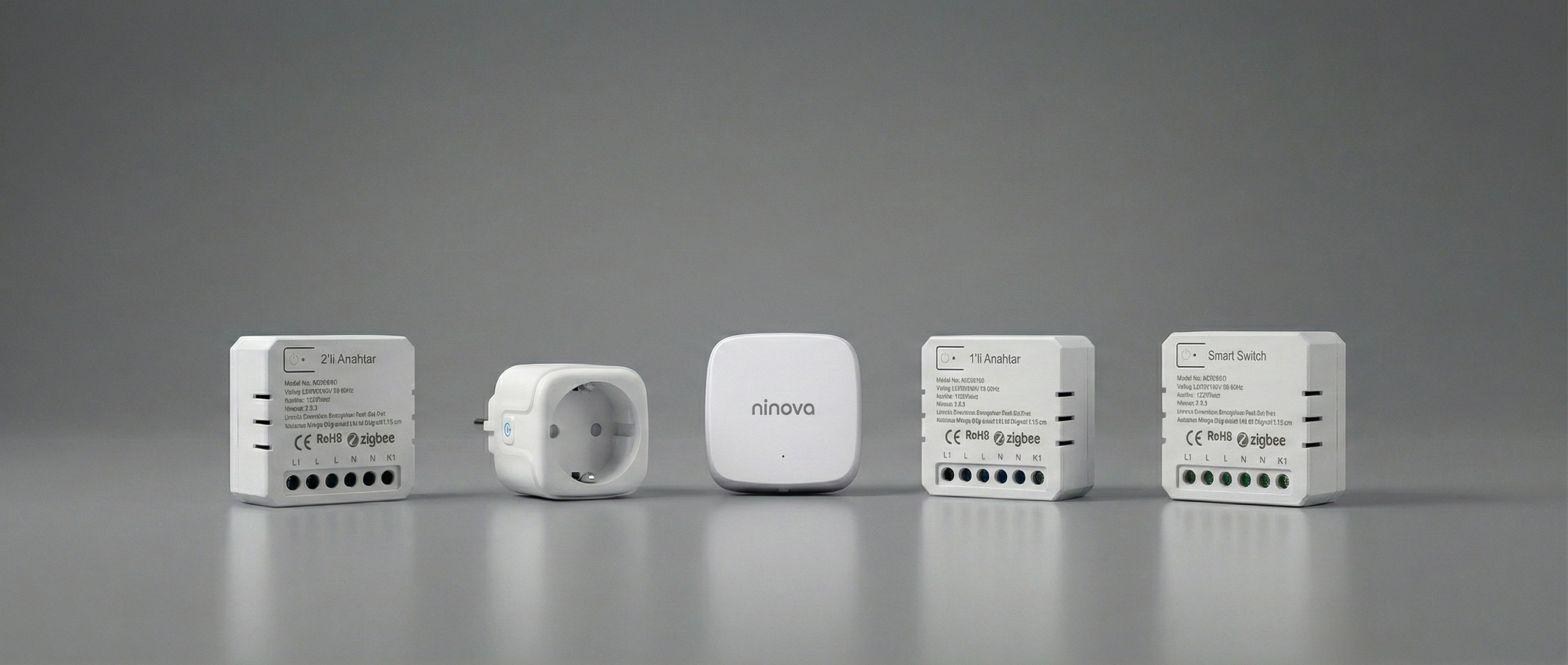
Some of the most common Zigbee devices include:
- Smart plugs
- Smart bulbs
- Smart relays
- Smart switches
- Motion sensors
- Door and window sensors
- Smoke detectors
- Gas leak detectors
- Water leak sensors
- Temperature sensors
- Humidity sensors
- Alarm systems
- Smart sirens
Why Is Zigbee Preferred for Smart Homes?
1. Lower Energy Consumption
Its outstanding energy efficiency allows battery-powered sensors to operate for years without frequent battery replacements.
2. Enhanced Home Security
Sensor data is transmitted almost instantly to the hub.
This rapid communication is especially critical during emergencies such as fires or gas leaks.
3. Expanding Network Coverage
Every additional powered Zigbee device strengthens and extends the mesh network, improving overall performance.
4. Local Communication Even Without Internet
Many Zigbee systems continue to communicate locally even if the internet connection is temporarily unavailable.
5. Professional Smart Home Experience
Zigbee offers extremely low communication latency, creating a faster and more responsive automation experience.
The Importance of Zigbee Security Sensors
Security sensors are among the most important components of a smart home.
For example:
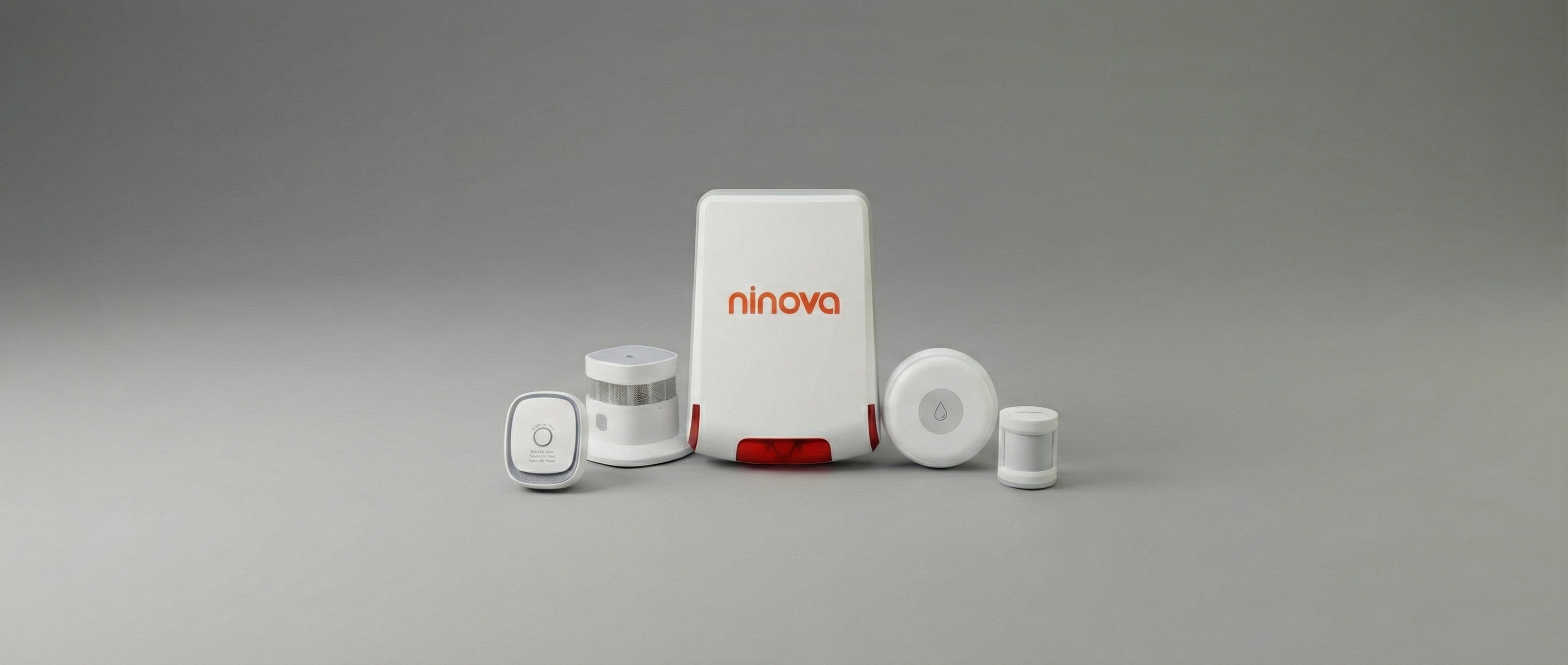
Zigbee Smoke Sensor
Detects smoke at an early stage and immediately triggers an alarm to help prevent fire-related emergencies.
Zigbee Gas Sensor
Detects natural gas or LPG leaks and instantly alerts homeowners, reducing the risk of dangerous incidents.
Zigbee Water Leak Sensor
Detects water leaks early, helping prevent costly water damage and protecting valuable property.
These sensors can operate independently or be integrated into larger smart home automation scenarios.
Smart Home Automation Scenarios with Zigbee
Zigbee enables countless automation possibilities, including:
- Turn on the lights automatically when you arrive home.
- Switch on hallway lighting when motion is detected at night.
- Activate the alarm when a gas leak is detected.
- Send emergency notifications to all family members when smoke is detected.
- Notify your smartphone immediately if a water leak occurs.
- Turn off all lights automatically when you leave the house.
These automation scenarios make everyday life both safer and more convenient.
Is Zigbee Easy to Install?
Yes.
Most modern Zigbee devices can be installed within just a few minutes.
The typical installation process includes:
- Install the Zigbee Hub.
- Open the mobile application.
- Put the device into pairing mode.
- Add the device to the Zigbee network.
- Create automation rules and scenarios.
The entire setup process is straightforward and requires little to no technical expertise.
Best Practices for Using Zigbee
For optimal performance, consider the following recommendations:
- Place the Zigbee Hub in a central location.
- Use mains-powered Zigbee devices to extend network coverage.
- Choose high-quality, compatible Zigbee products.
- Keep device firmware updated regularly.
- Enable strong encryption and secure account authentication to protect your smart home network.