Ways to Reduce Electricity Bills with Smart Lighting Systems
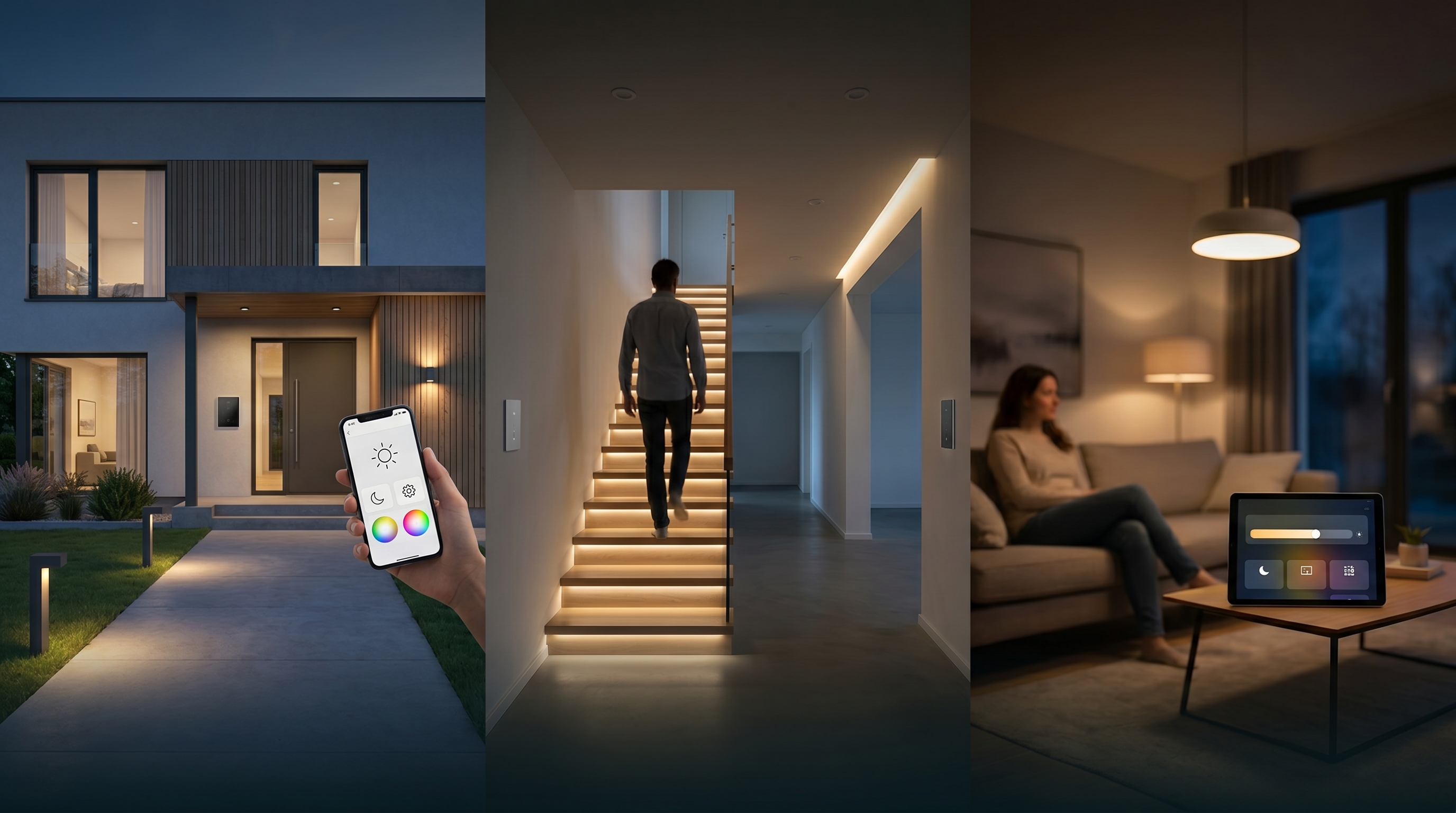
As energy costs continue to rise, homeowners are increasingly looking for smarter and more efficient solutions to reduce their monthly expenses. One of the most effective technologies in modern smart homes is smart lighting systems. These systems not only improve comfort and convenience but also help optimize energy consumption and significantly lower electricity bills.
But how exactly do smart lighting systems save energy? Which technologies are the most efficient? And how can homeowners maximize savings? In this article, we will explore in detail how smart lighting solutions can help reduce electricity costs while creating a more sustainable living environment.
What Is a Smart Lighting System?
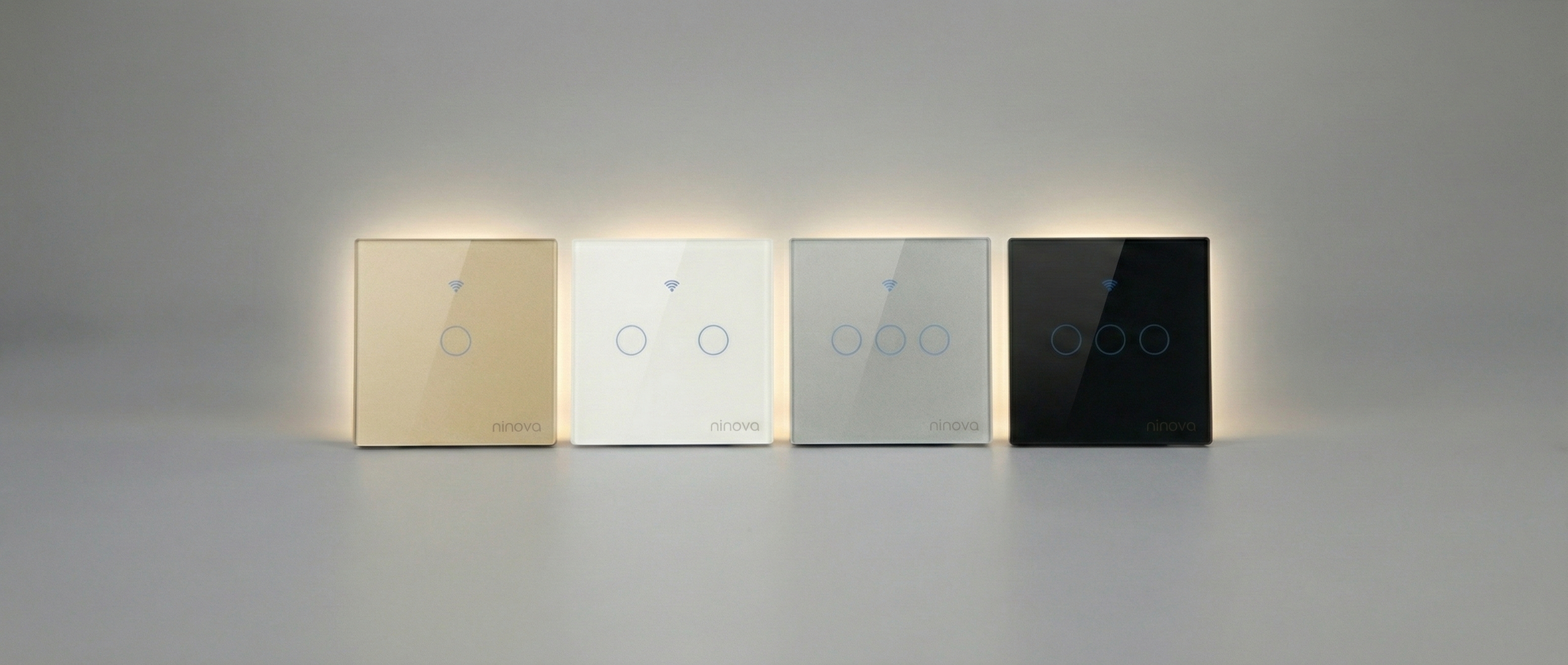
A smart lighting system is a modern lighting solution that can be controlled remotely through mobile applications, internet connectivity, sensors, or voice assistants. Unlike traditional lighting systems, smart lighting technologies offer automation features that help optimize electricity usage.
With smart lighting systems, users can:
- Turn lights on and off remotely,
- Adjust brightness levels,
- Create schedules and timers,
- Use motion detection features,
- Automate lighting based on daylight levels.
These functions reduce unnecessary electricity usage and contribute to lower energy bills.
How Smart Lighting Systems Help Reduce Electricity Bills
The biggest advantage of smart lighting systems is their ability to minimize wasted energy. In traditional homes, lights are often left on unnecessarily. Smart technologies prevent this by automating energy management.
Preventing Unnecessary Usage
One of the most common causes of high electricity bills is leaving lights on in unused rooms. Smart systems can automatically turn lights off after a certain period of inactivity.
For example:
- Hallway lights can switch off automatically when no movement is detected,
- Children’s room lights can turn off at bedtime,
- Garden lights can deactivate automatically at sunrise.
Although these adjustments may seem small, they create significant long-term savings.
LED Technology Consumes Less Energy
Most smart lighting products use LED technology. LED bulbs consume up to 80% less energy compared to traditional incandescent bulbs.
In addition, LED lights:
- Last much longer,
- Produce less heat,
- Require lower maintenance costs.
This combination reduces both electricity consumption and replacement expenses.
Brightness Control Reduces Energy Consumption
Not every room requires maximum brightness at all times. Smart lighting systems allow users to adjust brightness levels according to specific needs.
For instance:
- Dim lighting while watching movies,
- Bright lighting for work or studying,
- Low-intensity night lighting.
Lower brightness settings directly reduce energy consumption.
Motion Sensors for Automatic Control
Motion sensors are among the most effective smart lighting technologies for saving electricity. These sensors automatically activate lights when movement is detected and switch them off when the area becomes empty.
Areas Where Motion Sensors Are Most Effective
Hallways
Hallway lights are often forgotten and left on. Motion-sensitive systems solve this problem efficiently.
Staircases
In apartment buildings and multi-story homes, staircase lighting can consume a large amount of energy. Motion detection systems significantly reduce waste.
Garages and Storage Rooms
These spaces are used infrequently, making them ideal for automated lighting control.
Outdoor Spaces
Garden and exterior lighting systems are commonly left running unnecessarily. Motion sensors ensure lights only activate when needed.
Benefits of Using Timers
Scheduling features are another powerful component of smart lighting systems. Users can program lights to turn on or off automatically at specific times.
Optimizing Nighttime Usage
Many people accidentally leave lights on while sleeping. Timers can automatically turn off all lights during the night.
Saving Energy During Vacations
Leaving lights on while away from home wastes electricity. Smart systems allow homeowners to:
- Remotely control lighting,
- Create automated schedules,
- Prevent unnecessary energy use.
Ideal for Families with Children
Children often forget to switch off lights in their rooms. Timer-based automation helps eliminate this issue.
Smart Savings with Daylight Sensors
Daylight sensors detect natural lighting conditions and automatically adjust artificial lighting levels accordingly.
How Do Daylight Sensors Work?
If a room receives enough sunlight, the system dims or turns off artificial lights automatically.
Advantages of Daylight Sensors
- Prevent unnecessary electricity usage,
- Optimize energy consumption throughout the day,
- Operate automatically without user intervention.
These systems are especially effective in homes and offices with large windows.
Energy Management Through Mobile Applications
Most smart lighting systems include mobile app integration, allowing users to monitor and control lighting from anywhere.
Energy Consumption Monitoring
Some advanced systems provide detailed energy usage reports, helping users identify which rooms consume the most electricity.
Remote Access
If lights are accidentally left on after leaving home, users can turn them off remotely through their smartphones.
Custom Automation Scenarios
Users can create customized settings such as:
- “Sleep Mode”
- “Away Mode”
- “Movie Mode”
- “Vacation Mode”
These automation scenarios improve overall energy efficiency.
Voice Assistant Integration for Better Efficiency
Many smart lighting systems integrate seamlessly with voice assistants. This allows users to control lighting using simple voice commands.
Benefits of Voice Control
- Easily turn off forgotten lights,
- Centralized control for the entire home,
- Enhanced convenience and accessibility.
Voice-controlled systems are especially useful for elderly individuals and busy households.
The Importance of Choosing Energy-Efficient LED Bulbs
Having a smart system alone is not enough for maximum savings. Choosing the right LED bulbs is equally important.
Pay Attention to Energy Ratings
Energy-efficient bulbs with high efficiency ratings should always be preferred.
Long Lifespan Means Lower Costs
Cheap bulbs may fail quickly, while high-quality LEDs provide long-term savings.
Low Wattage, High Performance
Modern LED bulbs offer excellent brightness while consuming very little electricity.
Common Mistakes in Smart Lighting Installation
Some homeowners fail to achieve maximum savings because of poor planning and incorrect installation.
Excessive Lighting
Using too many lights in every area increases unnecessary energy consumption.
Incorrect Sensor Placement
Poorly positioned sensors may trigger lights unnecessarily.
Choosing Low-Quality Products
Cheap and unreliable products may consume more energy and require frequent replacement.
Poor Automation Planning
Incorrect schedules and automation scenarios can lead to wasted electricity instead of savings.
Long-Term Benefits of Smart Lighting Systems
Smart lighting solutions offer more than just short-term reductions in electricity bills.
Lower Maintenance Costs
LED technology significantly reduces maintenance and replacement expenses.
Increased Property Value
Smart home technologies increase the market value of residential properties.
Support for Sustainable Living
Reduced energy consumption contributes to environmental sustainability.
Reduced Carbon Footprint
Using less electricity helps lower greenhouse gas emissions and environmental impact.
What to Consider When Choosing a Smart Lighting System
Selecting the right smart lighting solution is essential for achieving maximum efficiency.
Compatibility
The system should work smoothly with your existing home infrastructure.
Energy Efficiency
Choose products designed for low energy consumption.
Mobile App Quality
A user-friendly mobile application simplifies daily management.
Sensor Performance
High-quality sensors improve accuracy and reduce unnecessary usage.
Brand Reliability and Warranty
Trusted brands generally provide better durability and customer support.