Smart Technology in Every Detail: Modern Smart Home Projects
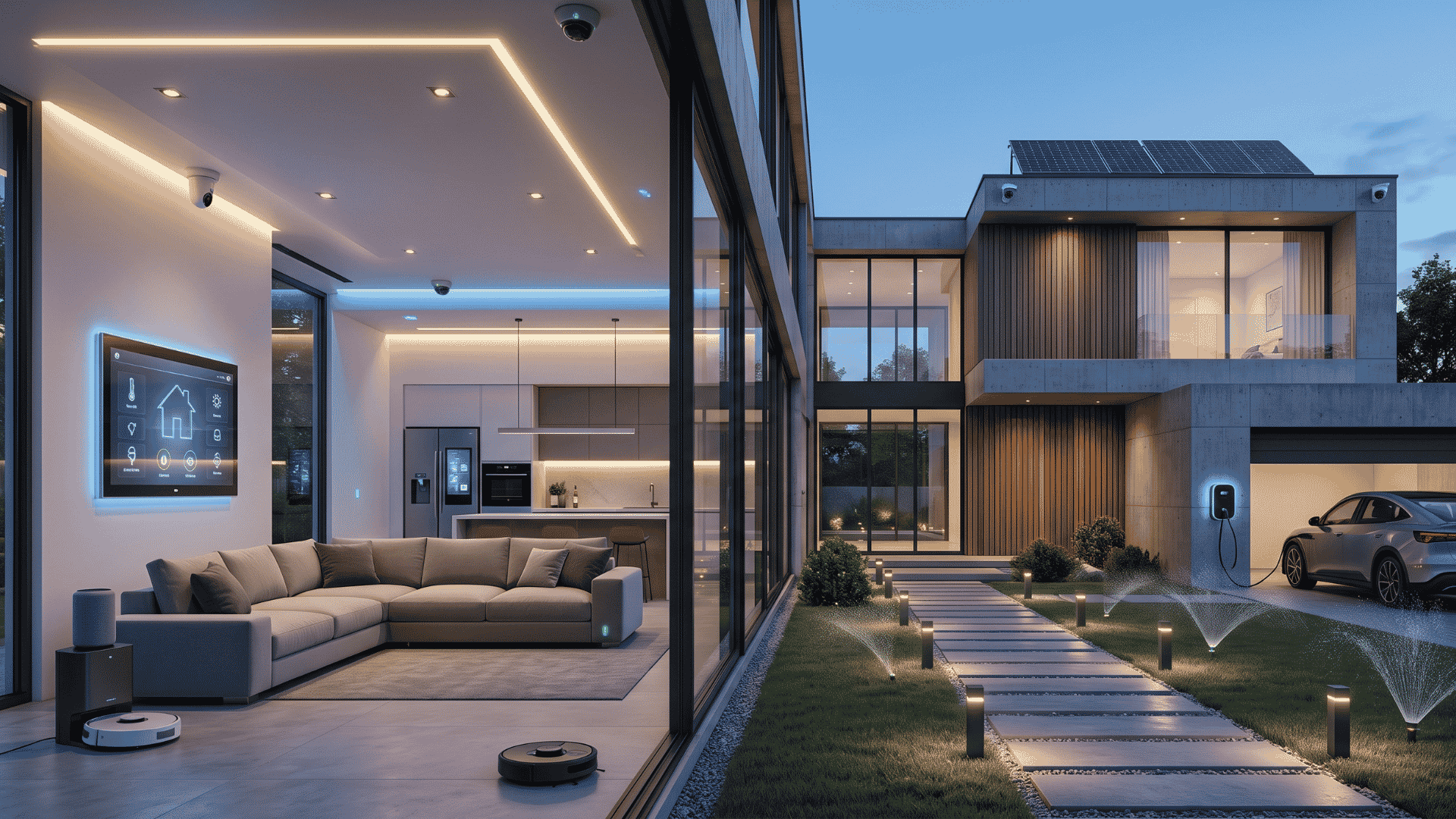
With the rapid advancement of technology, our living spaces are undergoing a major transformation. Homes are no longer just places to live; they are becoming intelligent environments that combine comfort, security, energy efficiency, and convenience. Smart home projects bring together innovative technologies that simplify everyday life and provide homeowners with a more comfortable, secure, and efficient living experience.
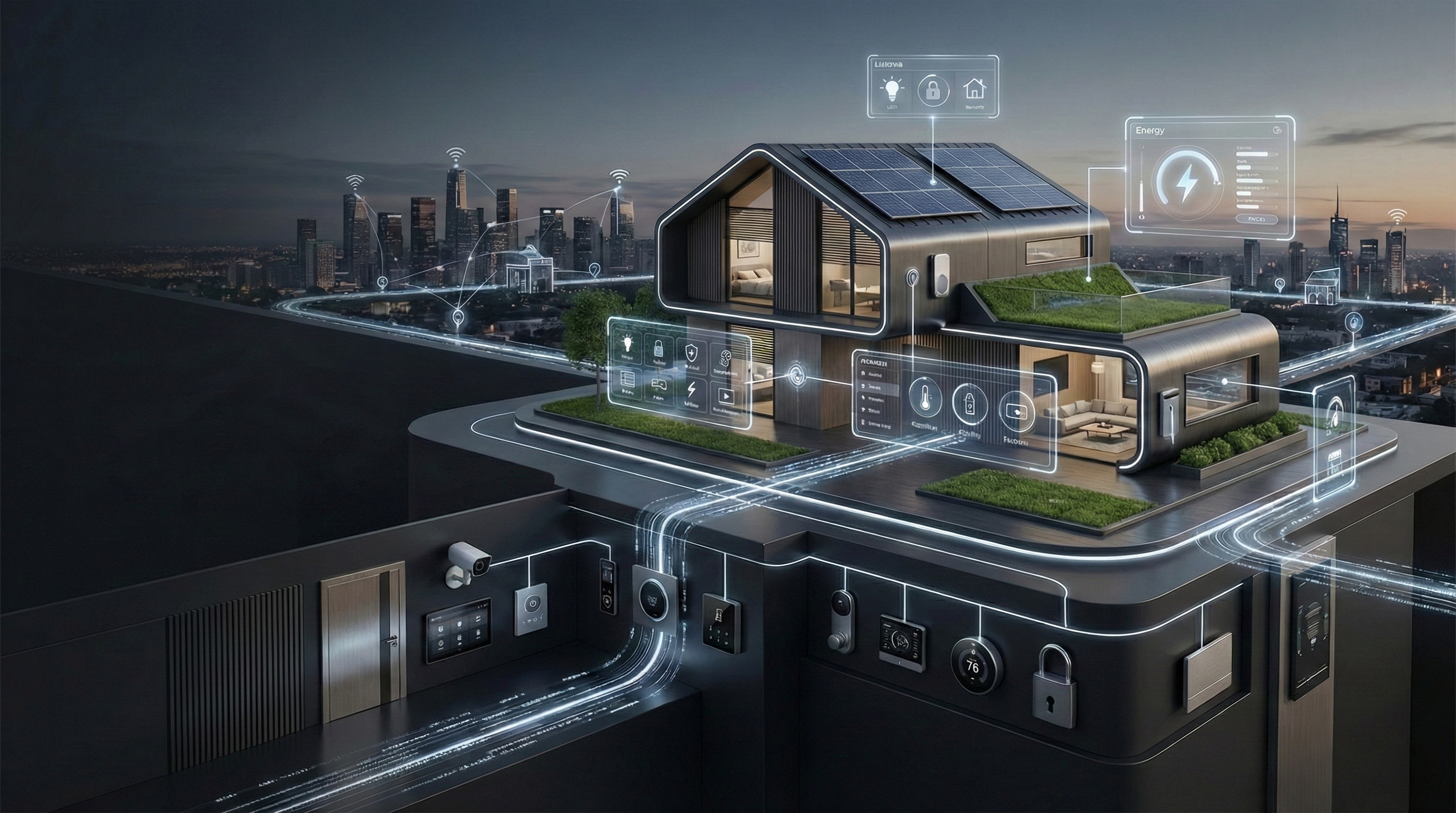
From lighting and climate control to curtains, blinds, and security systems, modern smart home solutions integrate multiple technologies into a single, connected ecosystem. As Ninova Smart Home Systems, we bring living spaces together with innovative technologies designed for the homes of tomorrow.
What Is a Smart Home Project?
A smart home project involves planning and integrating a home's electrical and electronic systems so they can be controlled remotely or centrally through automation technologies.
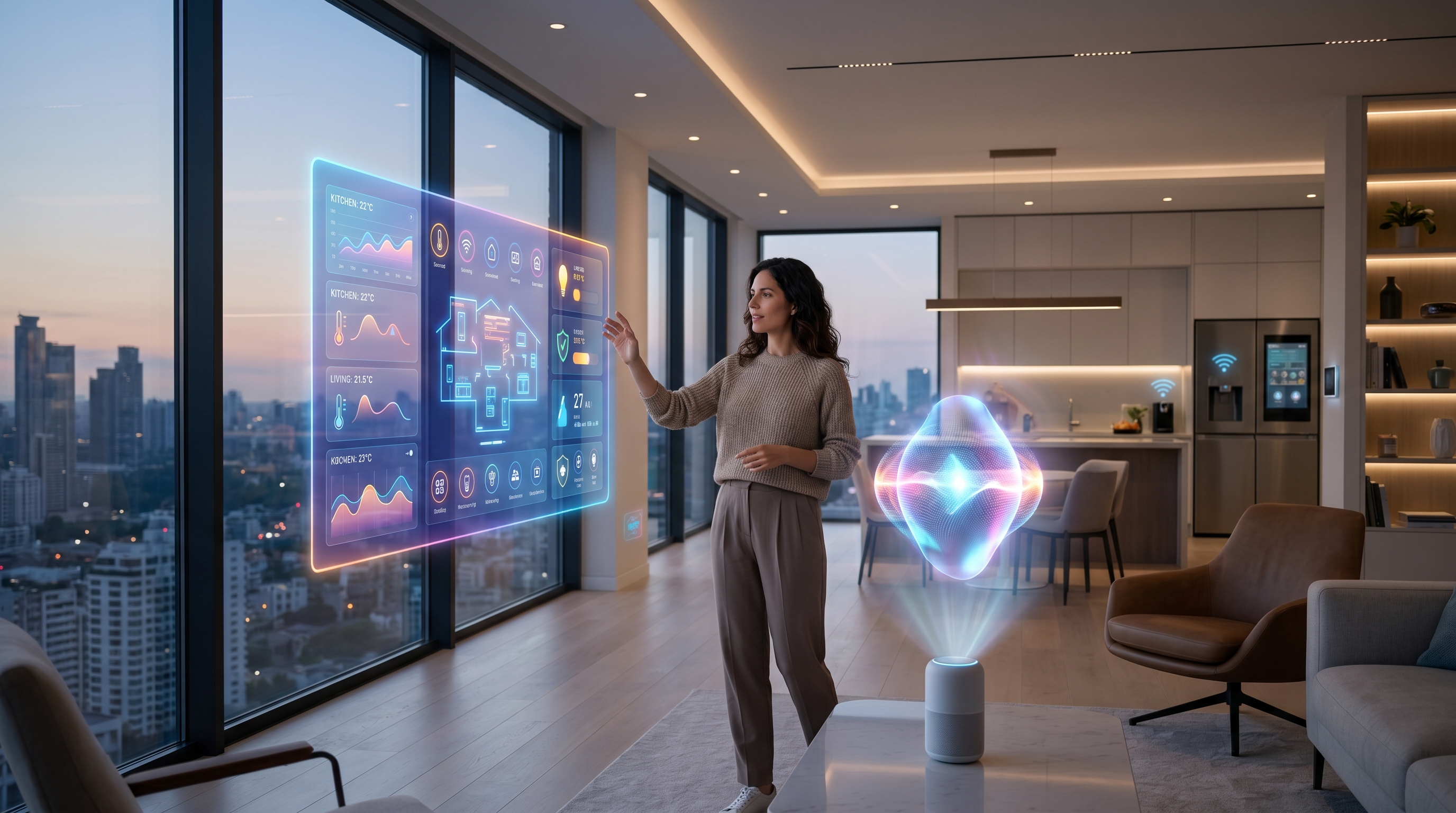
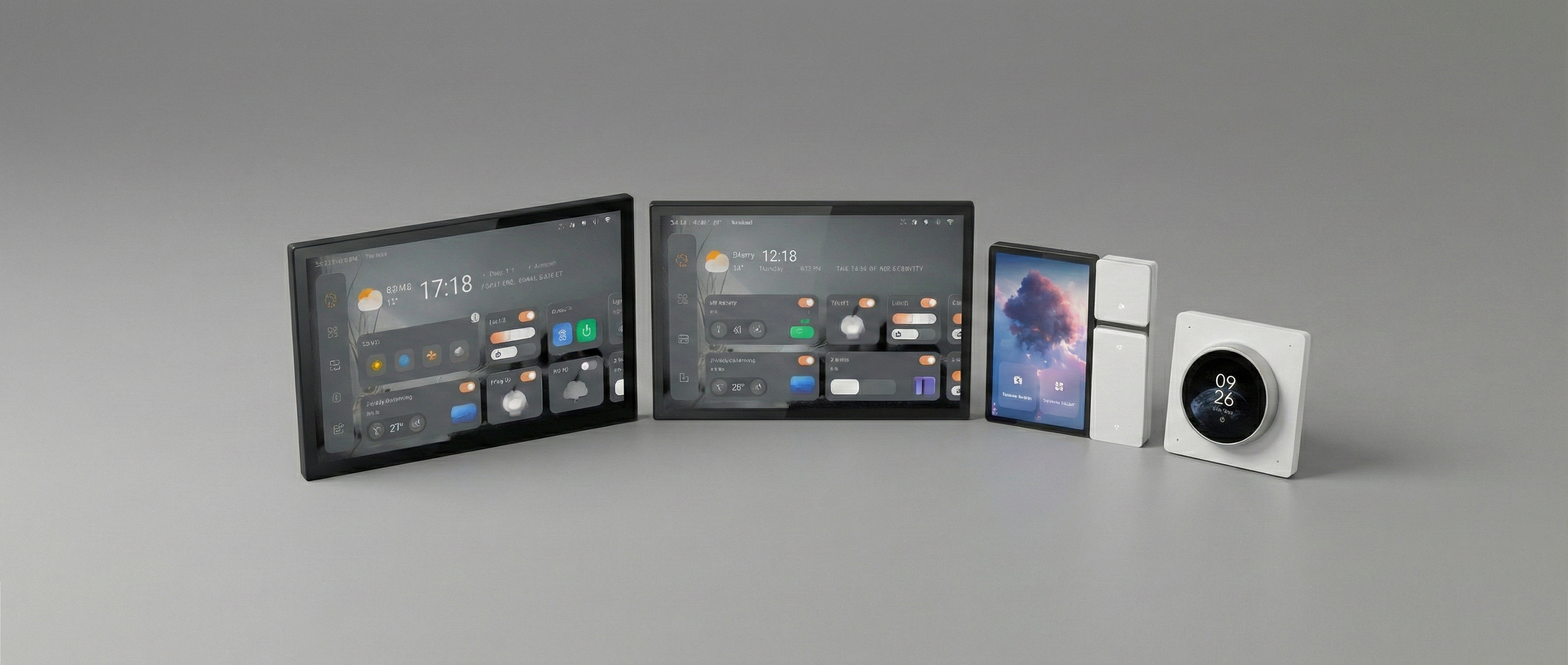
With these systems, homeowners can manage lighting, air conditioning, heating, cooling, curtains, blinds, security devices, and many other systems through smartphones, touchscreen control panels, or automated scenarios.
For example, when leaving home, you can turn off all the lights, close the curtains, deactivate selected electrical devices, and activate your security system with a single command. You can even perform these operations remotely while you are away.
The key advantage of smart home technology is its ability to transform independent devices into an integrated ecosystem in which different systems communicate and work together.
What Systems Are Included in Smart Home Projects?
The scope of a smart home project depends on the property's characteristics, user requirements, and the selected automation infrastructure. Modern smart home projects commonly include the following systems.
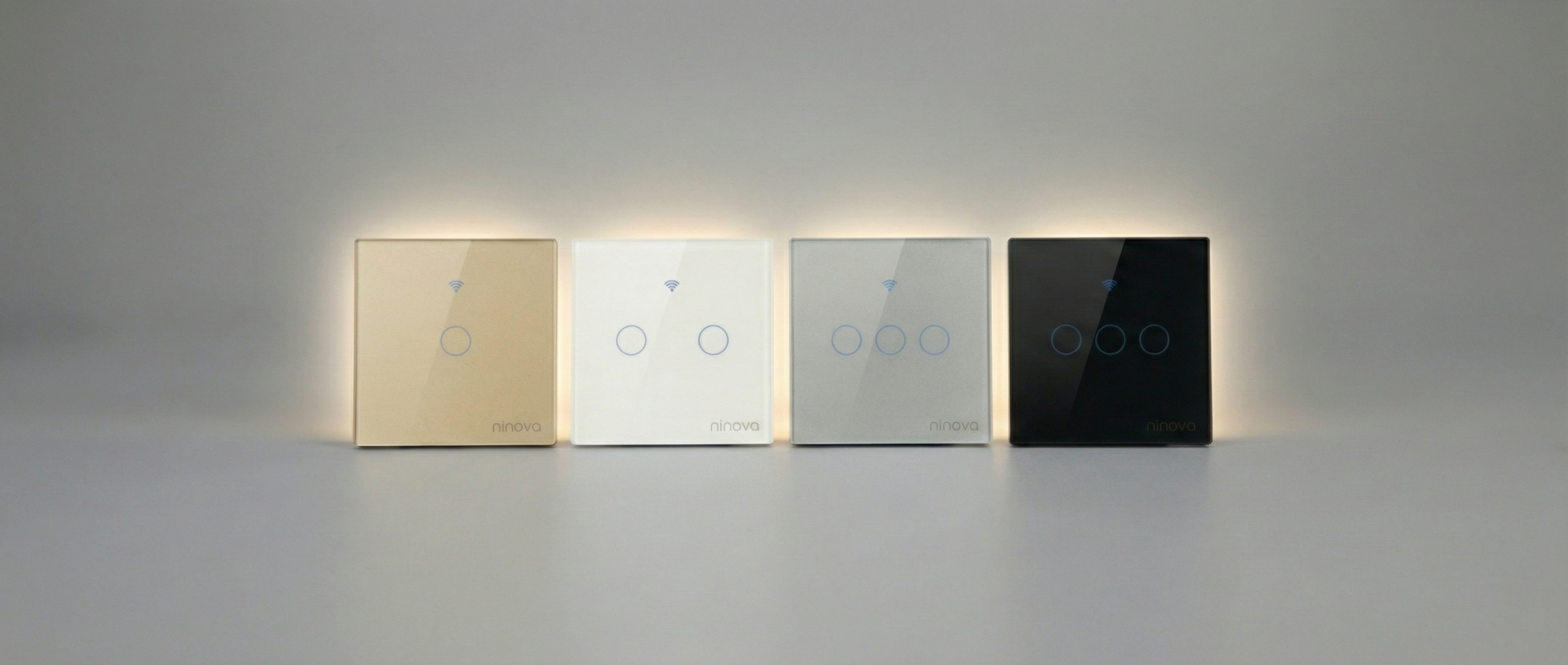
1. Smart Lighting Systems
Smart lighting systems allow homeowners to control indoor lighting remotely and automate it according to predefined scenarios.
You can switch lights on or off using your smartphone, adjust brightness levels, and create customized lighting scenarios for different rooms.
For example, lights can dim automatically when watching television, while hallway lighting can operate at a lower brightness level during nighttime. These features improve both comfort and energy efficiency.
2. Smart Heating and Cooling Systems
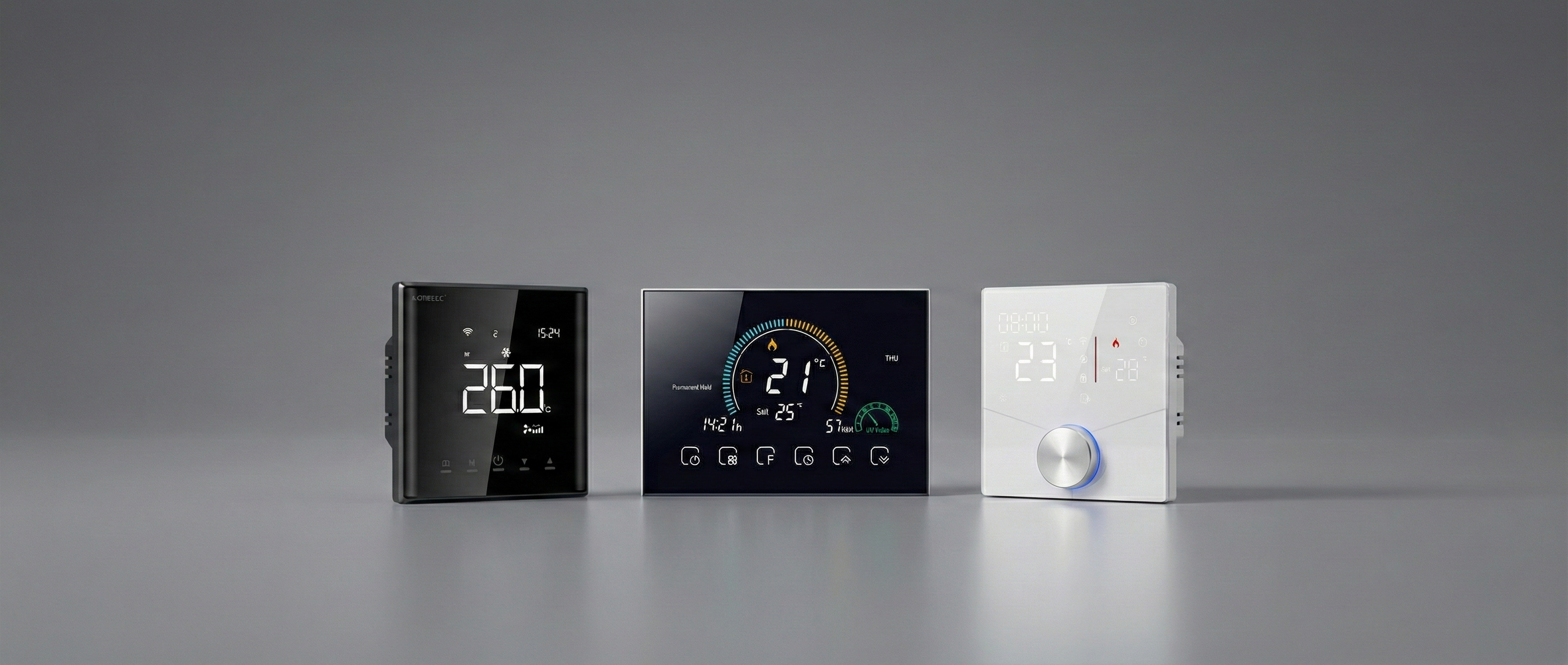
Smart thermostats and climate automation systems help regulate indoor temperatures according to user preferences.
You can adjust your home's temperature remotely, create scheduled operating programs, and reduce unnecessary energy consumption.
Automated climate control can be particularly beneficial in large villas and multi-room residential properties.
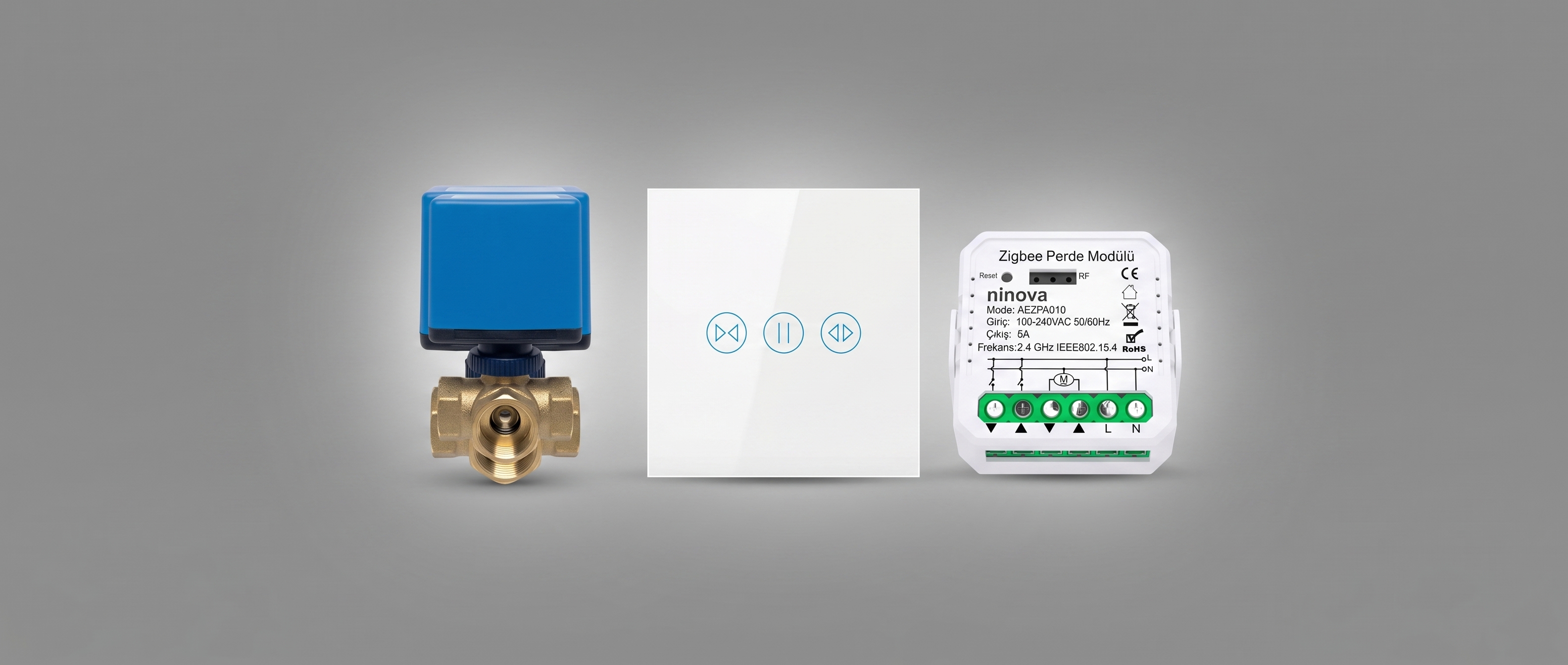
3. Smart Curtain and Blind Systems
Integrating motorized curtains and blinds into home automation systems provides greater control over living spaces.
Curtains can open automatically in the morning, close in the evening, or respond to sunlight conditions.
You can also include curtain and blind controls in your leaving-home scenario, allowing multiple systems to operate through a single command.
4. Smart Security Systems
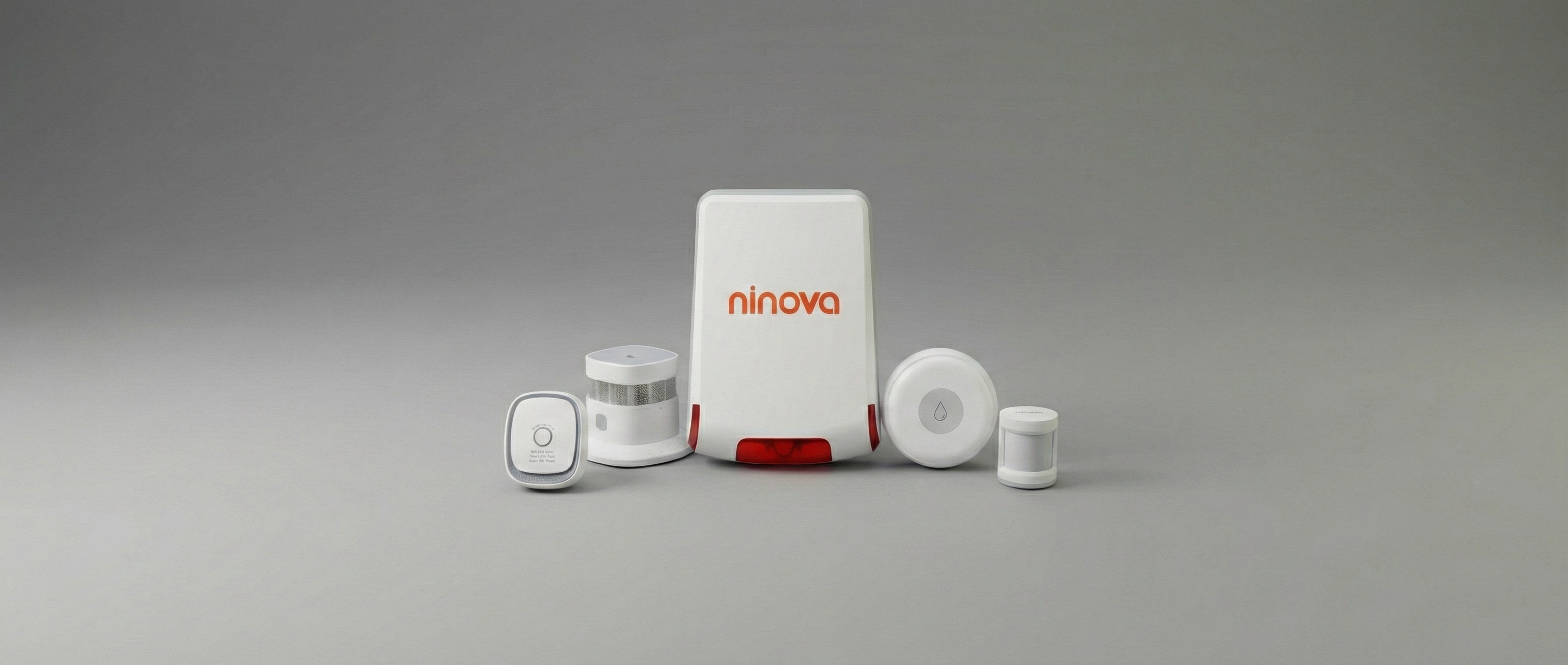
Security is one of the most important components of smart home projects. Door and window sensors, motion detectors, water leak sensors, and smart door locks help improve residential security.
For example, if a door opens while nobody is home, the system can send an instant notification to the homeowner. A water leak sensor can detect potential leaks and help prevent further damage through early intervention.
These technologies allow homeowners to monitor their properties remotely and stay informed about potential security issues.
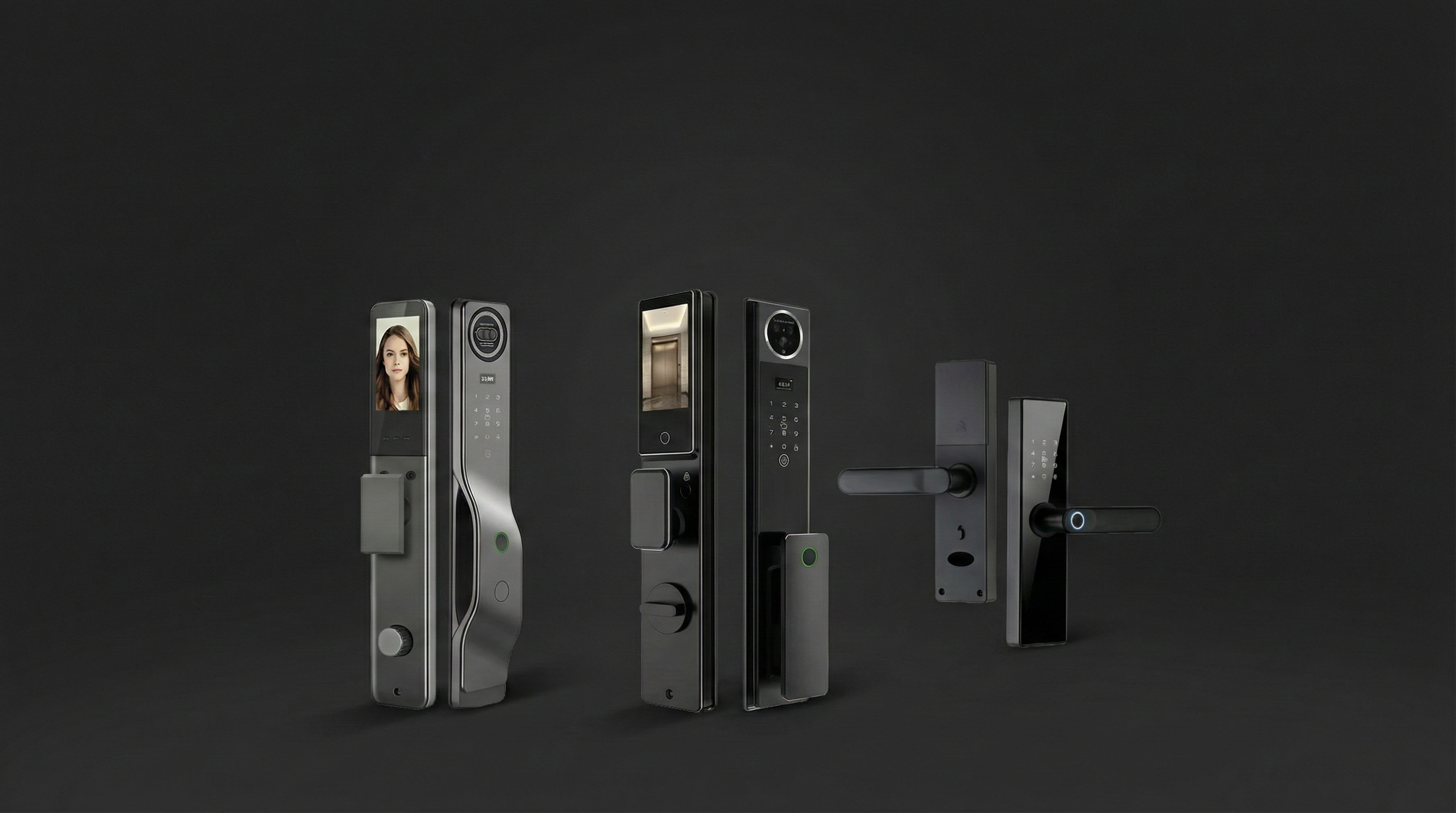
5. Smart Intercom and Access Control Systems
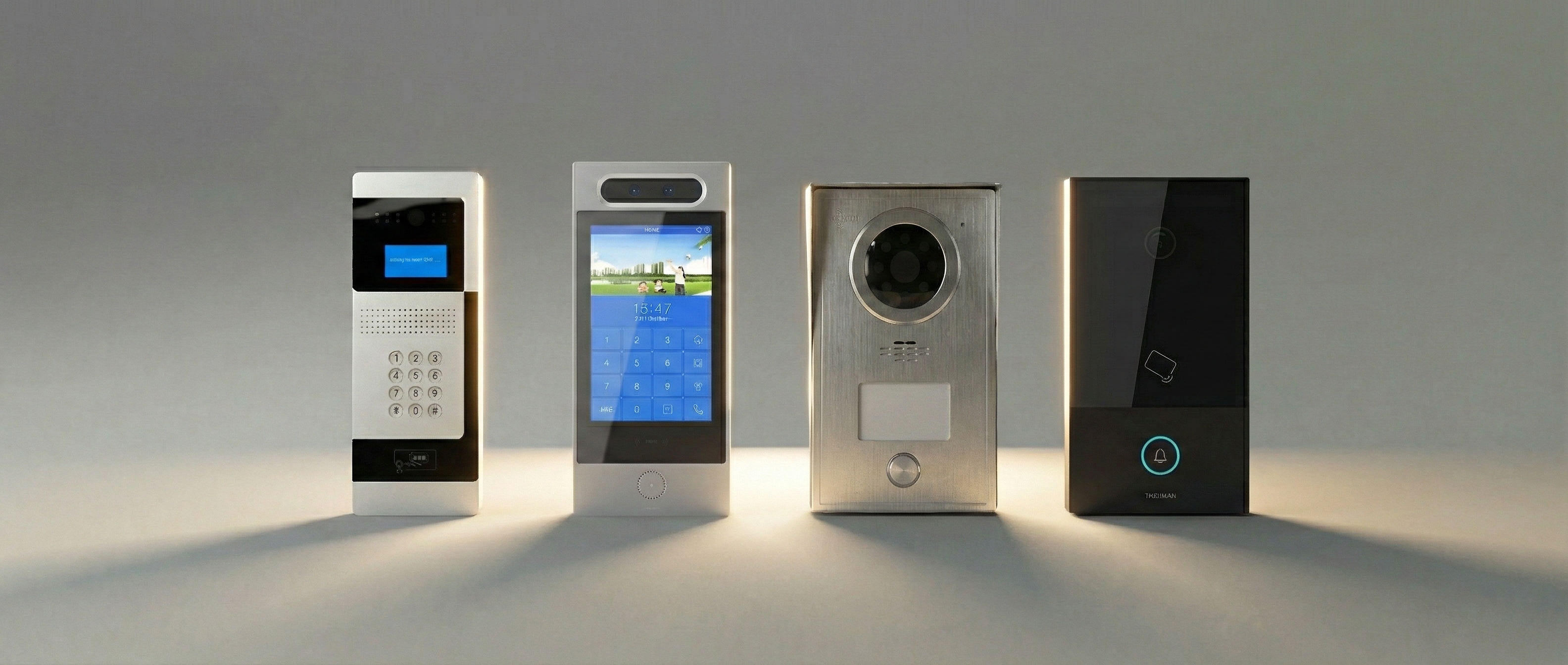
Smart intercom systems simplify communication and access management in apartment buildings and villas. Features such as video communication, remote door unlocking, and access control provide additional convenience and security.
Integrating smart intercom solutions with other automation technologies during new residential projects creates a more connected living experience.
The Importance of Automation Scenarios in Smart Home Projects
One of the features that makes smart home systems unique is automation scenarios. These scenarios allow multiple operations to be performed with a single command.
For example:
-
Leaving Home Scenario: Lights turn off, curtains and blinds move to predefined positions, and the climate control system switches to the selected operating mode.
-
Welcome Home Scenario: Hallway and living room lights turn on, and the climate control system starts adjusting the temperature.
-
Night Scenario: Selected lights turn off, the security system is activated, and blinds are adjusted.
-
Cinema Scenario: Living room lights dim, curtains close, and entertainment systems prepare the room for a movie experience.
-
Vacation Scenario: Security systems remain active, selected lights operate on schedules, and the property can be monitored remotely.
All these scenarios can be customized according to individual preferences and daily routines.
Do Smart Home Systems Help Save Energy?
One of the key advantages of smart home projects is their ability to support more efficient energy management.
Automatically switching off unnecessary lighting, adjusting heating and cooling systems according to actual needs, and controlling motorized curtains based on sunlight can help improve energy efficiency.
For example, reducing climate control operation when nobody is home or automatically turning off lights at scheduled times can minimize unnecessary energy consumption.
The important factor is to plan the automation system correctly and configure scenarios that match the users' daily habits.
Smart Home Technology in New Residential and Villa Projects
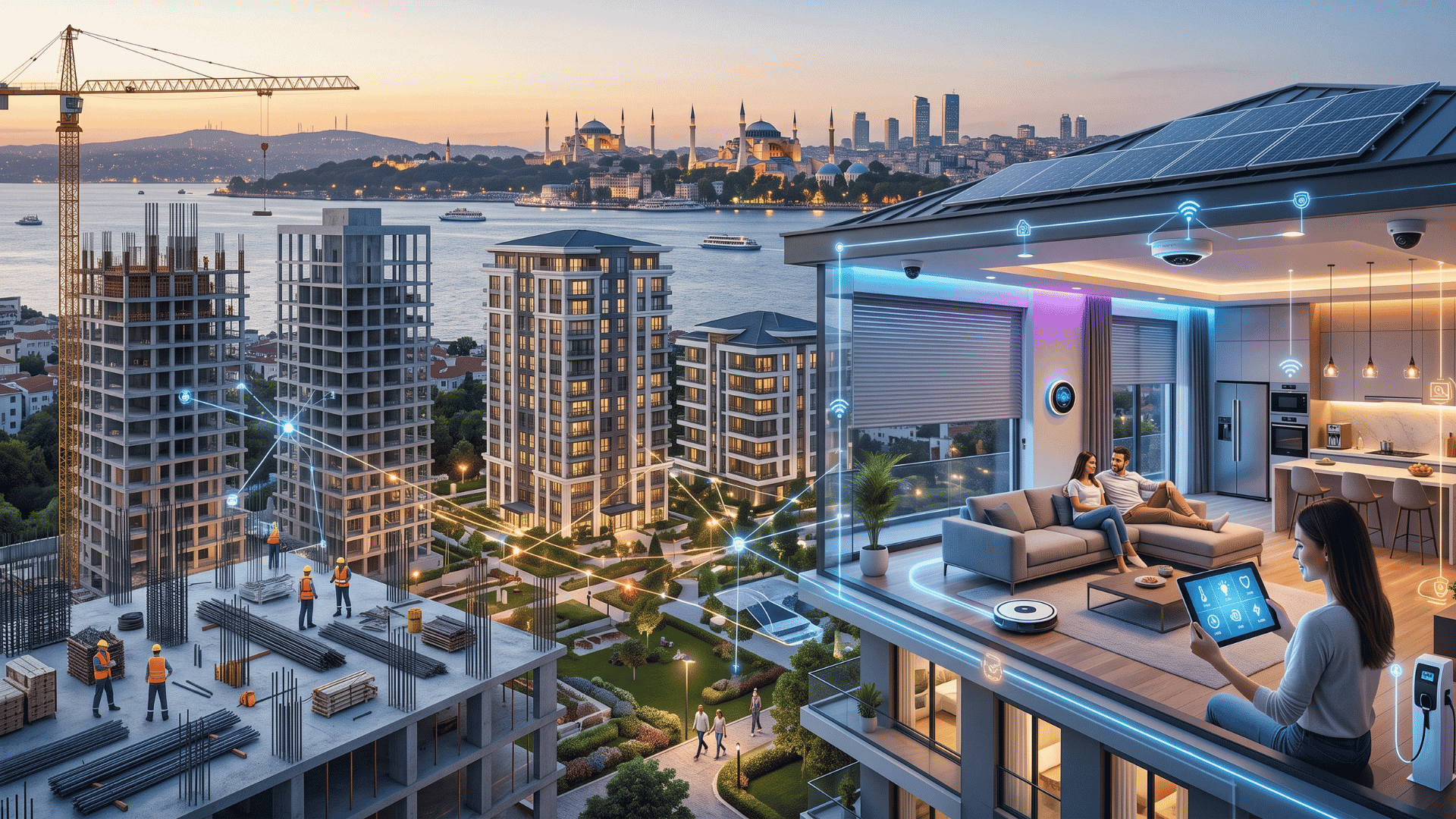
Including smart home systems from the early stages of a construction project can simplify the implementation process. In particular, planning the automation infrastructure in advance is important for villas, residences, and large-scale residential developments.
Electrical installations, switch locations, sensor positions, motorized curtain connections, and control panel locations should all be considered during the design stage.
However, smart home technology is not limited to newly constructed properties. Existing homes can also benefit from suitable wireless automation solutions. Homeowners do not necessarily need to build a new property to enjoy the advantages of smart home technology.
How Are Zigbee and KNX Technologies Used in Smart Home Projects?
The communication technology used in a smart home project should be selected according to the project's scope and technical requirements.
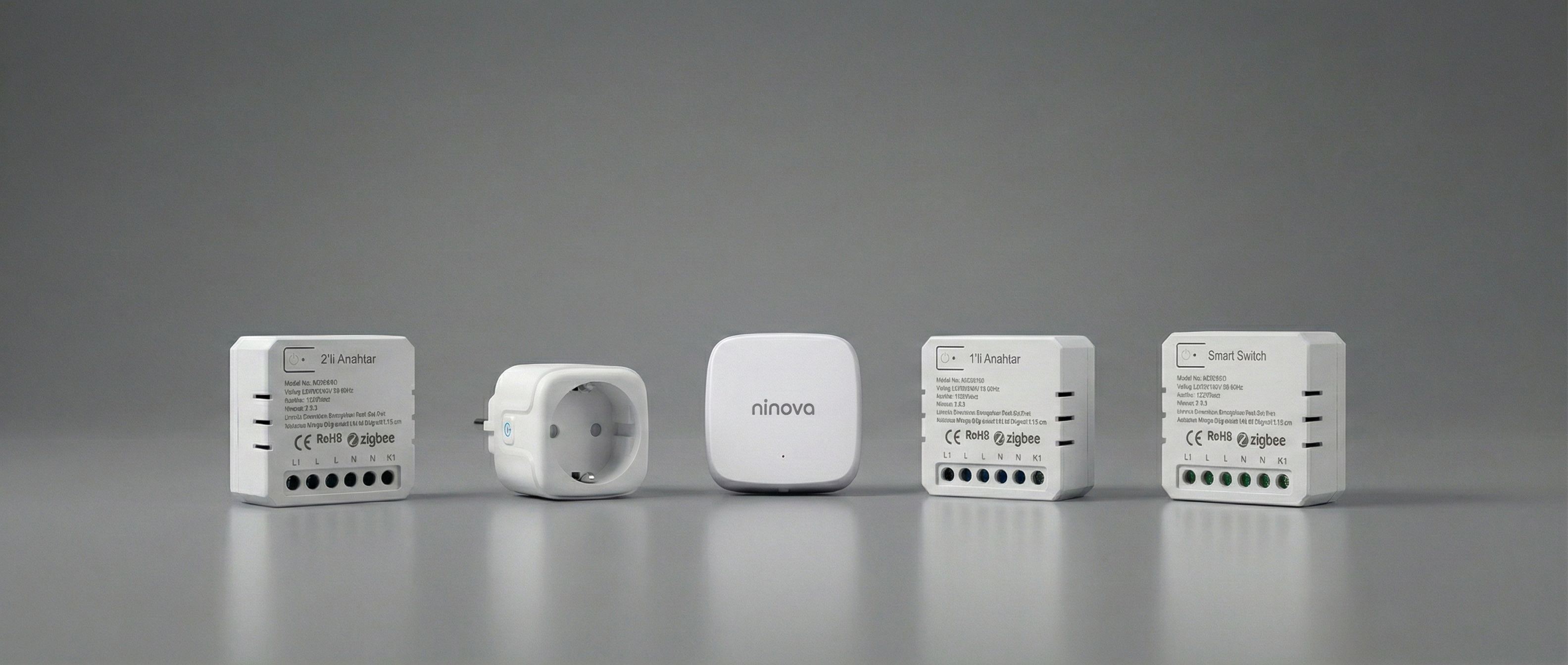
Zigbee is a low-power wireless communication protocol that enables compatible smart devices to communicate with each other. It is commonly used for smart switches, sensors, plugs, and various home automation products.
KNX is an internationally recognized building automation standard that enables compatible devices from different manufacturers to operate within the same system. It supports the integration of lighting, climate control, curtains, and blinds, making it suitable for comprehensive automation projects.
Depending on the project's size, infrastructure, and expectations, Zigbee, KNX, or other suitable technologies can be selected.
How Should a Smart Home Project Be Planned?
A successful smart home project requires more than simply bringing different technological products together. The first step is to identify the actual needs of the users.
The following steps should be considered during project planning:
-
Identify Requirements: Analyze requirements such as lighting, security, climate control, and curtain automation.
-
Evaluate Infrastructure: Examine the property's electrical installation and suitability for automation.
-
Select the Technology: Determine the most appropriate wired or wireless automation infrastructure.
-
Choose the Products: Plan the switches, sensors, control panels, and other devices required.
-
Create Automation Scenarios: Develop customized scenarios based on everyday usage habits.
-
Installation and Testing: Integrate the systems and test all functions to ensure proper operation.
Following these steps helps create a more efficient, reliable, and user-friendly smart home experience.
Every Detail Is Smarter with Ninova Smart Home Systems
Ninova Smart Home Systems provides solutions designed to make living spaces more comfortable, secure, and manageable.
From lighting automation and smart thermostats to curtain and blind control, security sensors, and intercom systems, Ninova offers products and solutions for different smart living requirements.
With its nationwide dealer network across Turkey and technical support during installation, Ninova helps support the implementation of smart home projects and aims to make smart home technologies more accessible.
Whether it is a new villa, a modern apartment building, or a commercial property, properly planned automation systems can transform different types of spaces into intelligent living environments.