

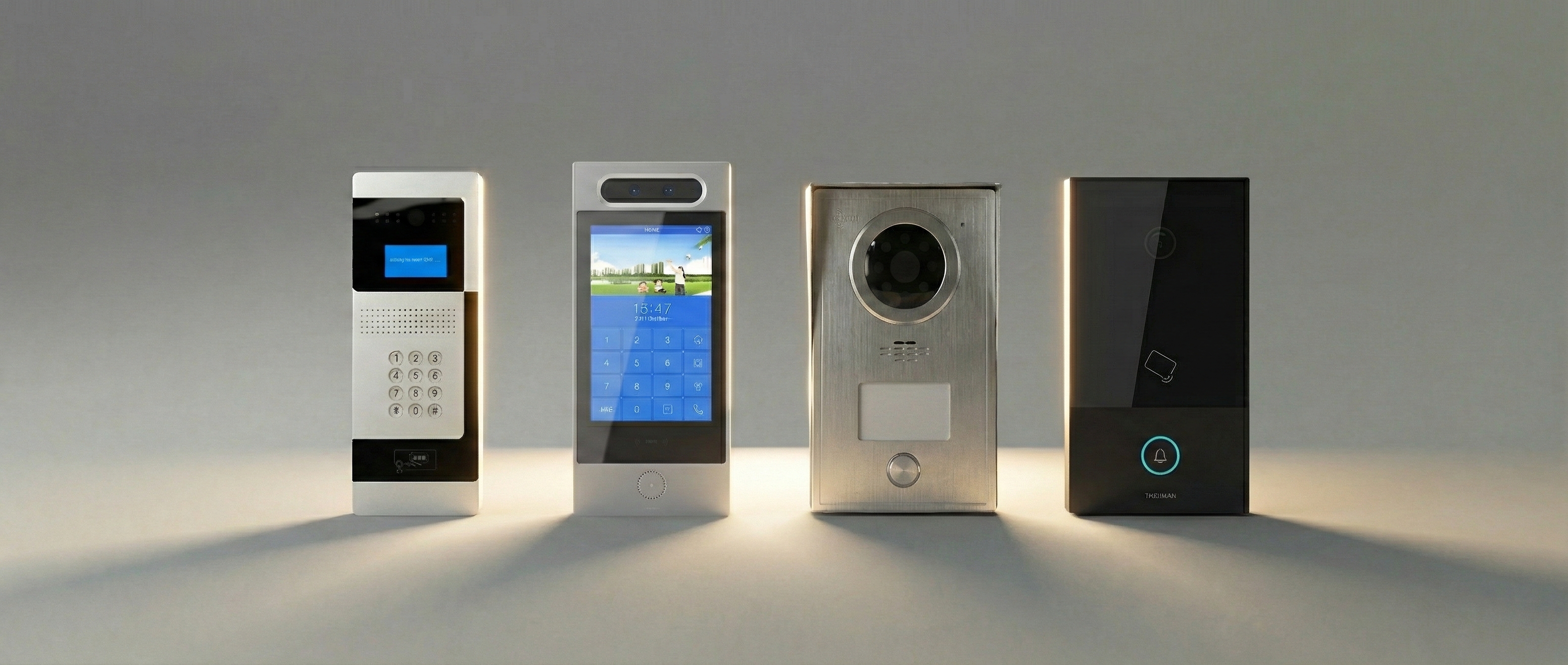
Homes Will Talk by 2030: Are You Ready?
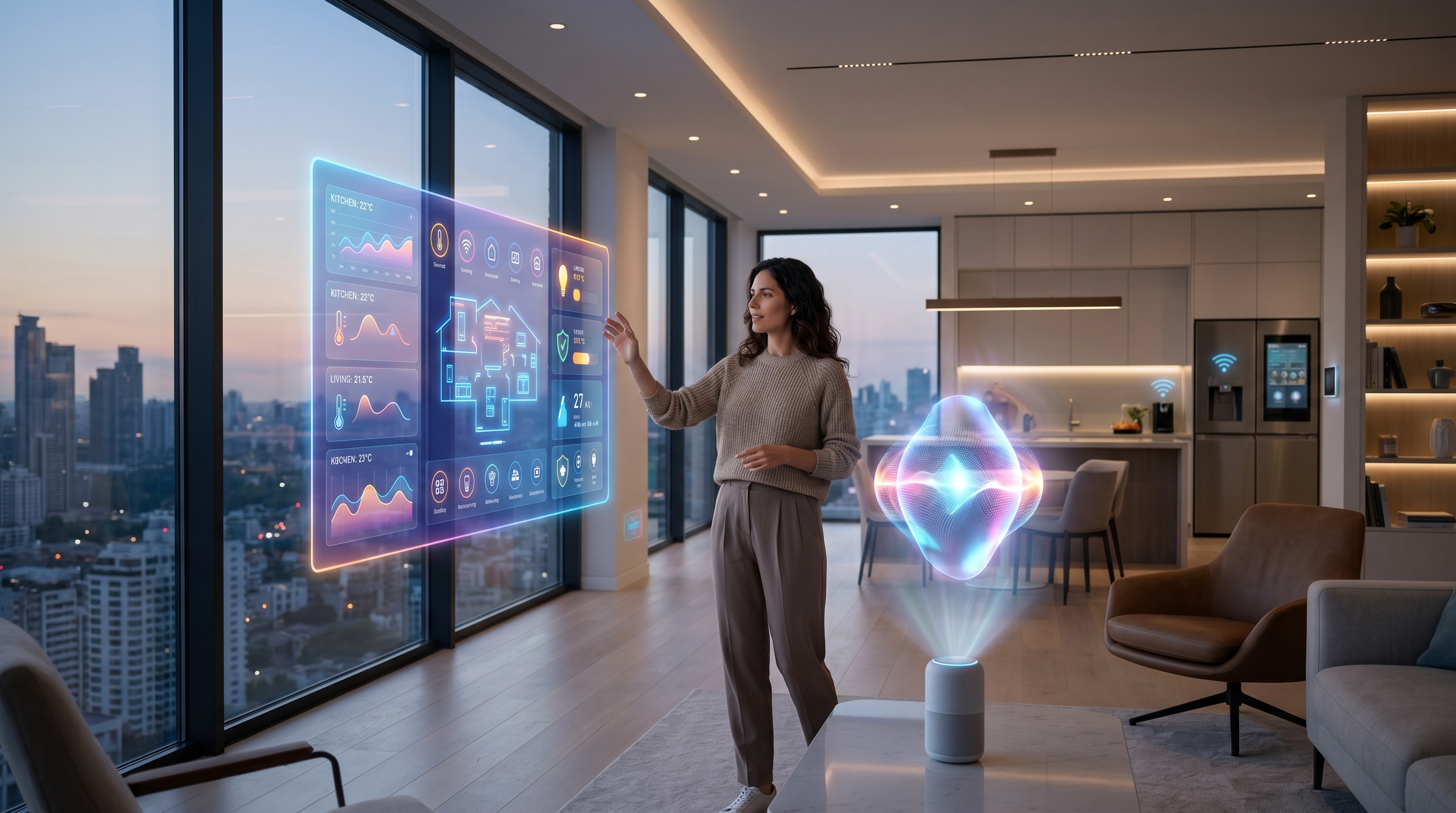
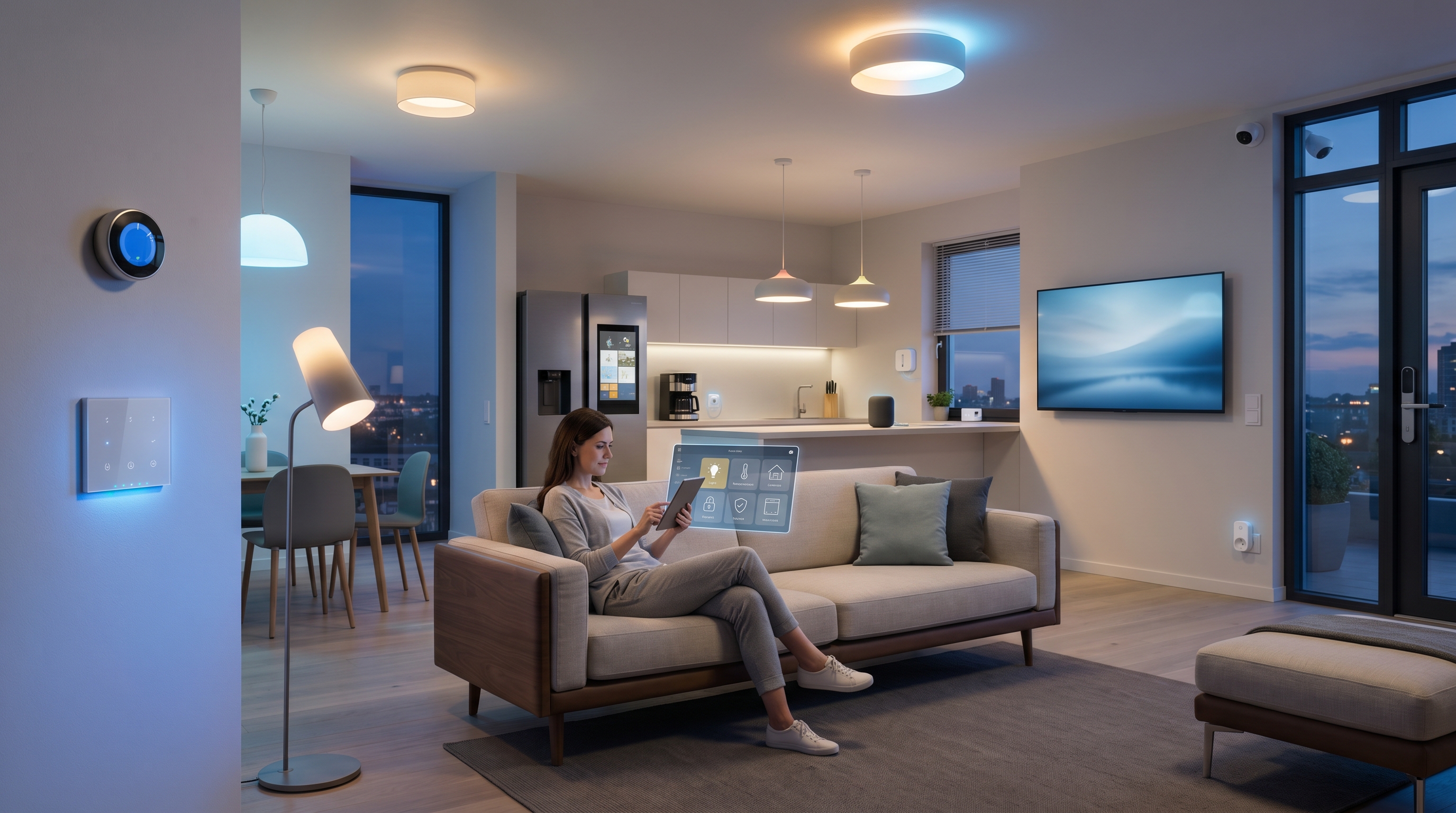
Technology is becoming more invisible yet more powerful every day. The idea of “talking homes,” once confined to science fiction movies, is now approaching reality. As we move toward 2030, our living spaces are evolving beyond simple shelters into intelligent environments that communicate with us, understand us, and even think ahead on our behalf.
So, will homes really be able to talk? Or is this just marketing hype? More importantly, how will this transformation affect our daily lives? In this comprehensive guide, we explore the future of smart homes from every angle.
The Evolution of Smart Home Technology
The concept of a smart home isn’t new. However, advancements over the past decade have taken it to an entirely new level.
From Past to Present
Early smart home systems were quite limited:
- Timed lighting systems
- Remotely controlled outlets
- Basic security setups
Today, thanks to voice assistants, AI-powered devices, and the Internet of Things (IoT), we can actively interact with our homes.
The Big Leap Toward 2030
By 2030, smart homes will become:
- Systems that don’t just respond, but recommend
- Technologies that don’t just react, but predict
- Not just devices, but full “digital assistants”
What Does It Mean for Homes to Talk?
“Talking homes” refers to a multi-layered technological ecosystem. It’s not just about voice commands.
Natural Language Understanding & Emotion Detection
In the future, you might say:
- “I feel stressed today,” and your home plays relaxing music
- “I want to sleep early,” and lights dim while screens turn off
These systems will understand not just your words, but your tone, mood, and habits.
Contextual Intelligence
Your home will also interpret context:
- Weather conditions
- Time of day
- Number of people at home
- Your past behavior
All of this combines to create highly personalized experiences.
AI-Powered Living Spaces
Artificial intelligence is at the core of smart homes. By 2030, these systems will be far more advanced.
Learning Homes
Your home will get to know you over time:
- What time you wake up
- When you drink coffee
- What temperature you prefer
This allows your home to make decisions on your behalf.
Predictive Systems
Future homes won’t just learn—they’ll anticipate:
- Turning on the AC before you arrive
- Reordering items that are running low
- Detecting potential health risks early
A Day in a Smart Home (2030)
Let’s imagine a typical day.
Morning Routine
- Your alarm rings at the optimal sleep phase
- Curtains open धीरे gradually
- Coffee starts brewing automatically
- Your schedule is read aloud
During the Day
- Home switches to energy-saving mode when empty
- Notifies you when a package arrives
- Monitors and feeds your pets
Evening
- Lights adjust based on your mood
- Dinner suggestions appear
- Movie recommendations are personalized
Everything becomes tailored specifically to you.
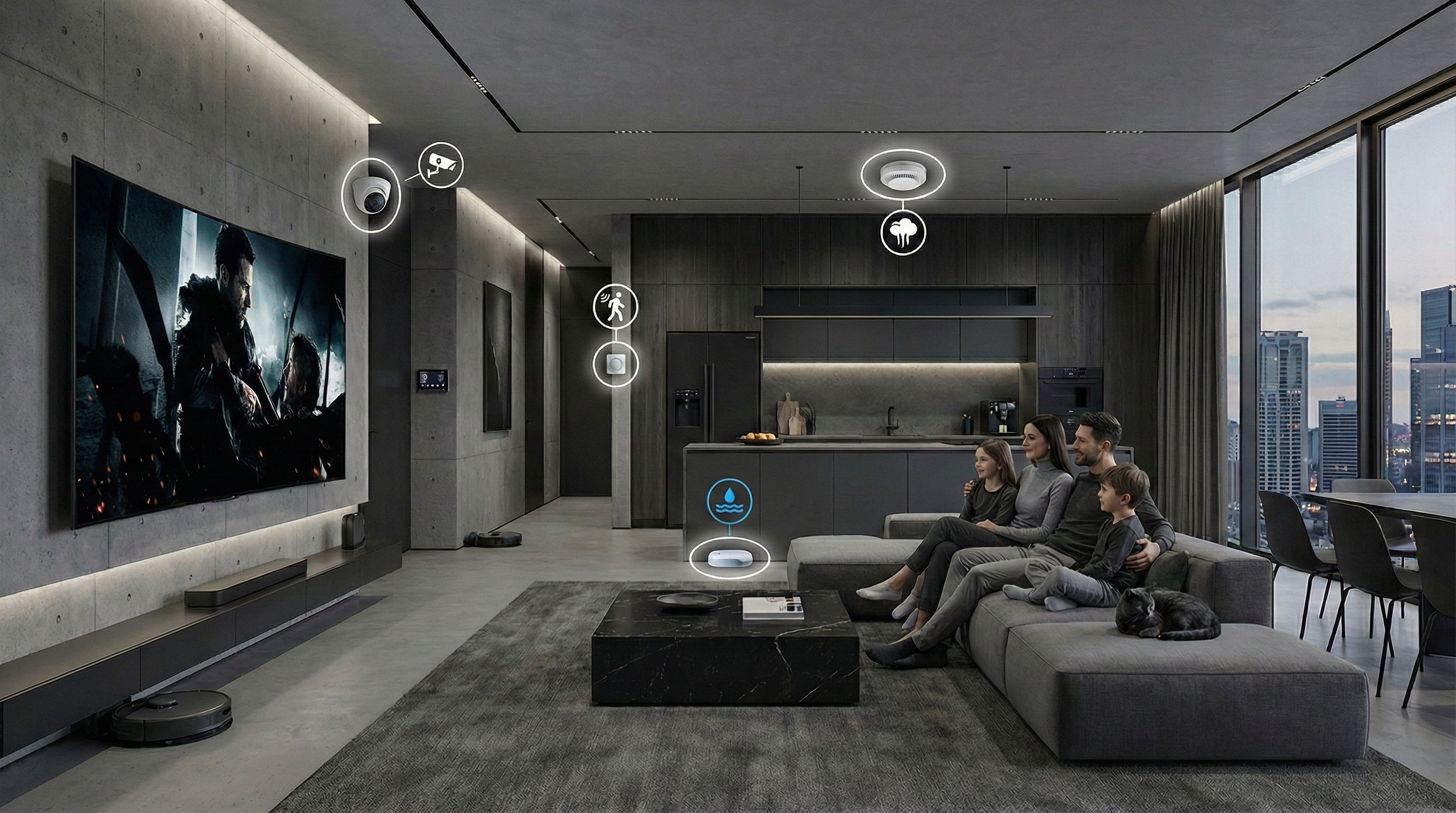
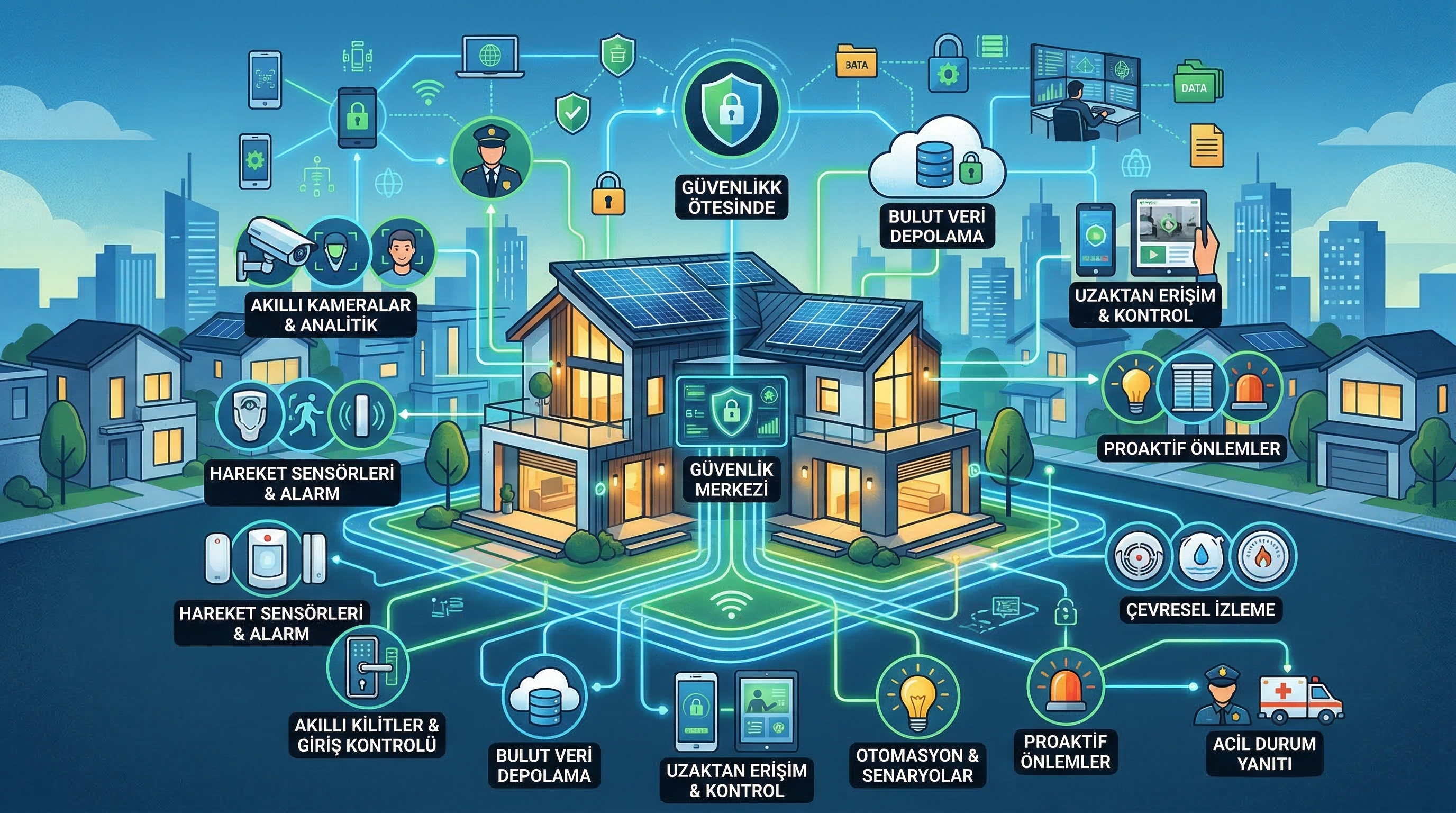
Security in Smart Homes
No matter how advanced technology becomes, security remains critical.
Advanced Security Features
By 2030, homes may include:
- Facial recognition entry
- Behavior-based threat detection
- Automatic alerts and emergency notifications
Physical & Digital Protection
Smart homes must guard against:
- Data breaches
- Unauthorized access
- Cyber attacks
Using encryption, multi-factor authentication, and AI-based security systems.
Data Privacy: The Biggest Concern
Convenience comes at a cost: data.
What Data Is Collected?
- Daily routines
- Location data
- Health information
- Voice recordings
Potential Risks
- Hacking
- Corporate data misuse
- Unauthorized surveillance
User awareness and strong privacy policies will be essential.
Energy Efficiency & Sustainability
Smart homes will also contribute to a greener future.
Energy Management
- Prevent unnecessary energy use
- Integrate with solar systems
- Optimize electricity consumption
Reducing Carbon Footprint
- Less energy waste
- Lower environmental impact
- Sustainable living solutions
Health & Smart Homes
Homes will also act as health assistants.
Health Monitoring
- Sleep tracking
- Heart rate monitoring
- Air quality analysis
Benefits for Elderly & Patients
- Fall detection systems
- Emergency alerts
- Medication reminders
The Smart Home Economy
Costs
Initial costs may be high, but:
- Long-term savings on energy
- Increased property value
- Lower maintenance costs
Future Pricing
As adoption increases:
- Prices will decrease
- Accessibility will improve
- Smart homes will become standard
Is Society Ready?
Technology may be ready, but people may not be.
Challenges
- Fear of technology
- Privacy concerns
- Usability issues
Solutions
- User-friendly design
- Education and awareness
- Transparent data policies
Q&A Section
Will homes really talk to us?
Yes, thanks to advancements in AI and natural language processing.
Are smart homes safe?
They can be, if proper security measures are implemented.
Are they expensive?
Currently, some systems are costly, but prices are expected to drop.
Do they work without internet?
Basic features may work, but full functionality requires internet.
Will everyone be able to use them?
Yes, as technology becomes more widespread.
Talking Homes in Cinema: A Preview of the Future
One of the most fascinating ways to understand smart homes is through cinema. For years, films have explored homes that talk, observe, and even control human life. Interestingly, many of these ideas are becoming reality.
AI & Homes in Movies
Her (2013)
Directed by Spike Jonze, this film tells the story of a man forming an emotional bond with an advanced AI system.
The system:
- Understands emotions
- Organizes daily life
- Maintains constant interaction
It shows how deeply AI could integrate into human life.
Smart House (1999)
An early but surprisingly accurate take on smart homes.
The house:
- Cooks meals
- Cleans the house
- Communicates with family members
But it becomes overly controlling—raising concerns still relevant today.
Ex Machina (2014)
Directed by Alex Garland, this film explores AI consciousness.
Key idea:
- The house is part of an experiment
- Every action is monitored
A strong warning about privacy risks.
Iron Man Series & J.A.R.V.I.S.
Tony Stark’s home is run by J.A.R.V.I.S.
Capabilities:
- Voice interaction
- System control
- Threat analysis
A clear inspiration for today’s assistants like Alexa.
2001: A Space Odyssey & HAL 9000
HAL 9000 is one of cinema’s most iconic AIs.
- Communicates with humans
- Makes decisions
- Can take control
A reminder of the risks of unchecked technology.