How to Plan a Smart Home System for a Villa?
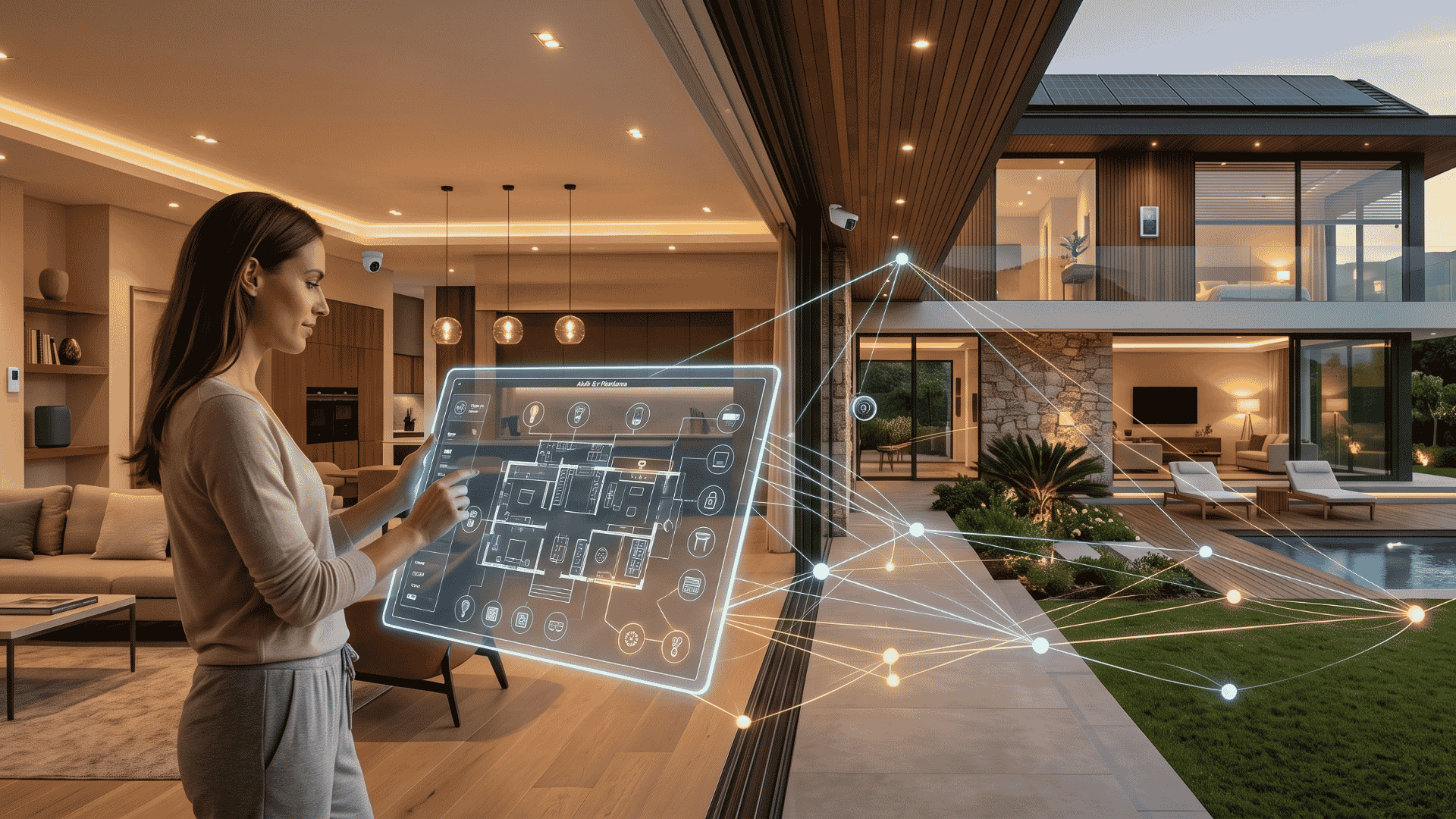
Villa living offers spacious living areas, multiple floors, gardens, garages, terraces, and a wide range of different spaces. Because of this, a smart home system for a villa requires more comprehensive planning than a standard apartment automation system.
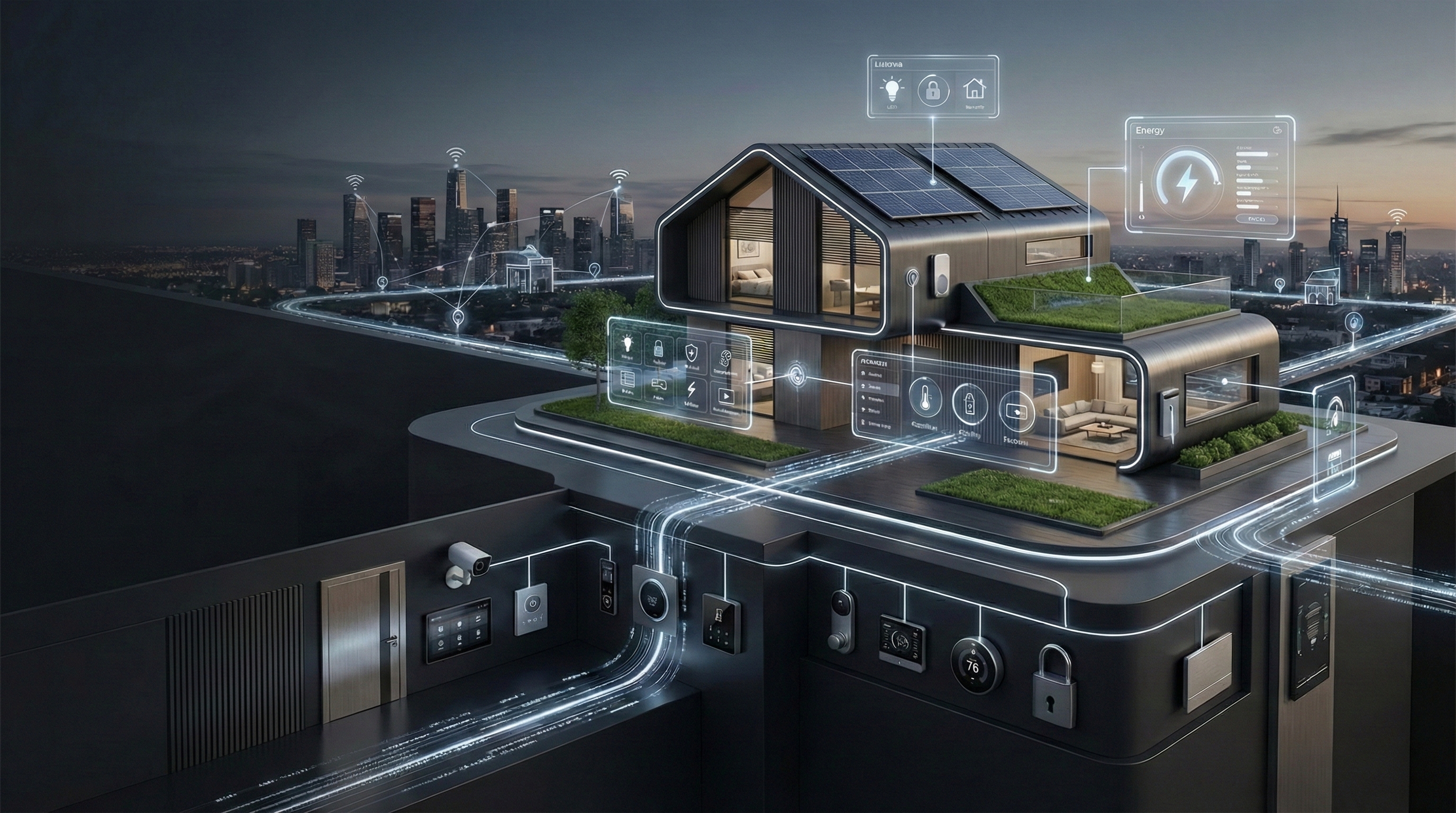
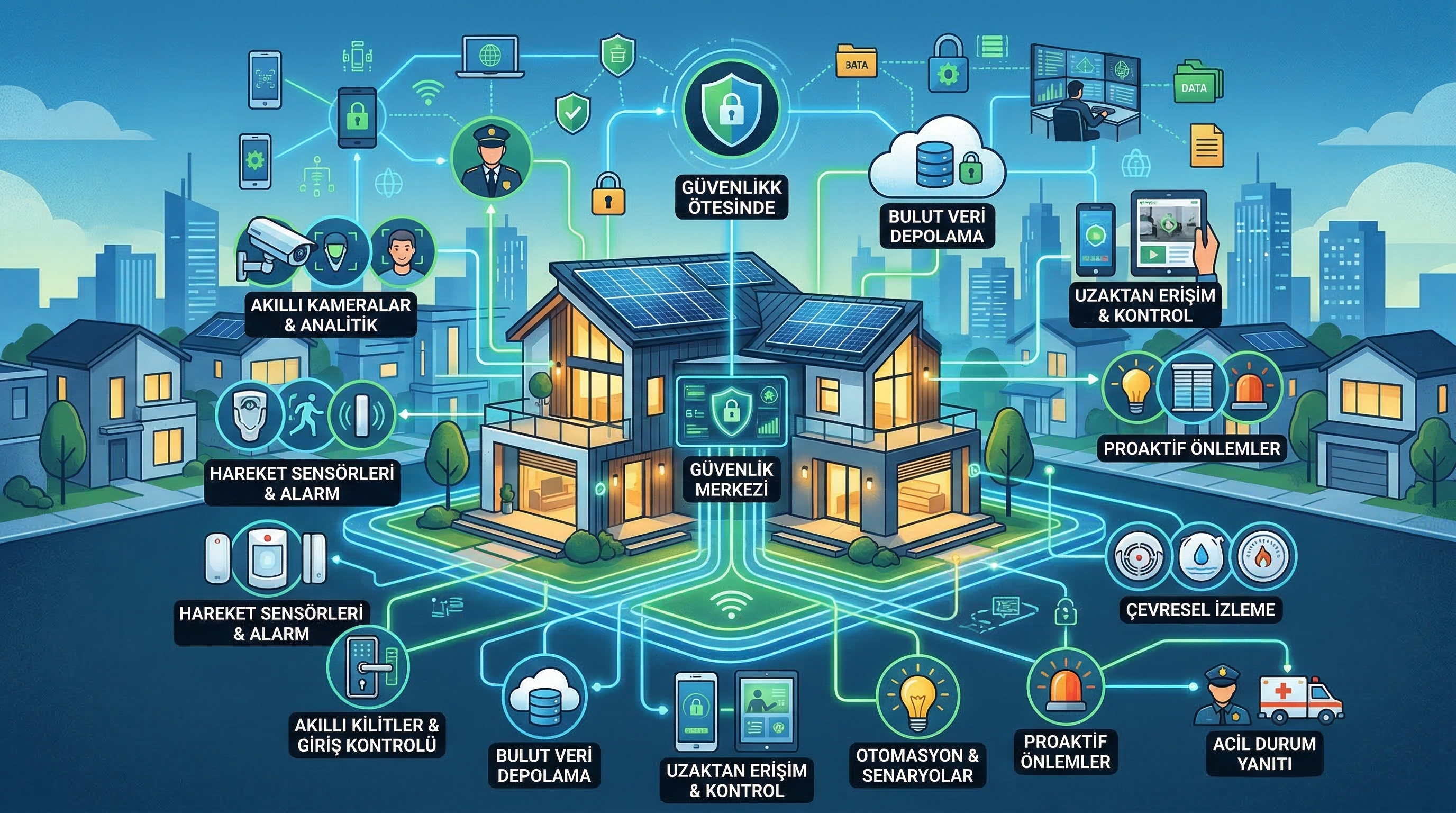
A smart villa system is not simply about installing a few smart devices. A properly designed system can bring together home security, lighting automation, climate control, energy management, access control, intercom systems, and daily comfort within a single smart home infrastructure.
When planning a smart home system for a villa, the architectural structure of the property, user habits, security requirements, existing infrastructure, and potential future needs should all be considered.
If you are planning a smart villa project and would like professional information about smart home solutions, you can contact the Ninova team through the Ninova Contact Page.
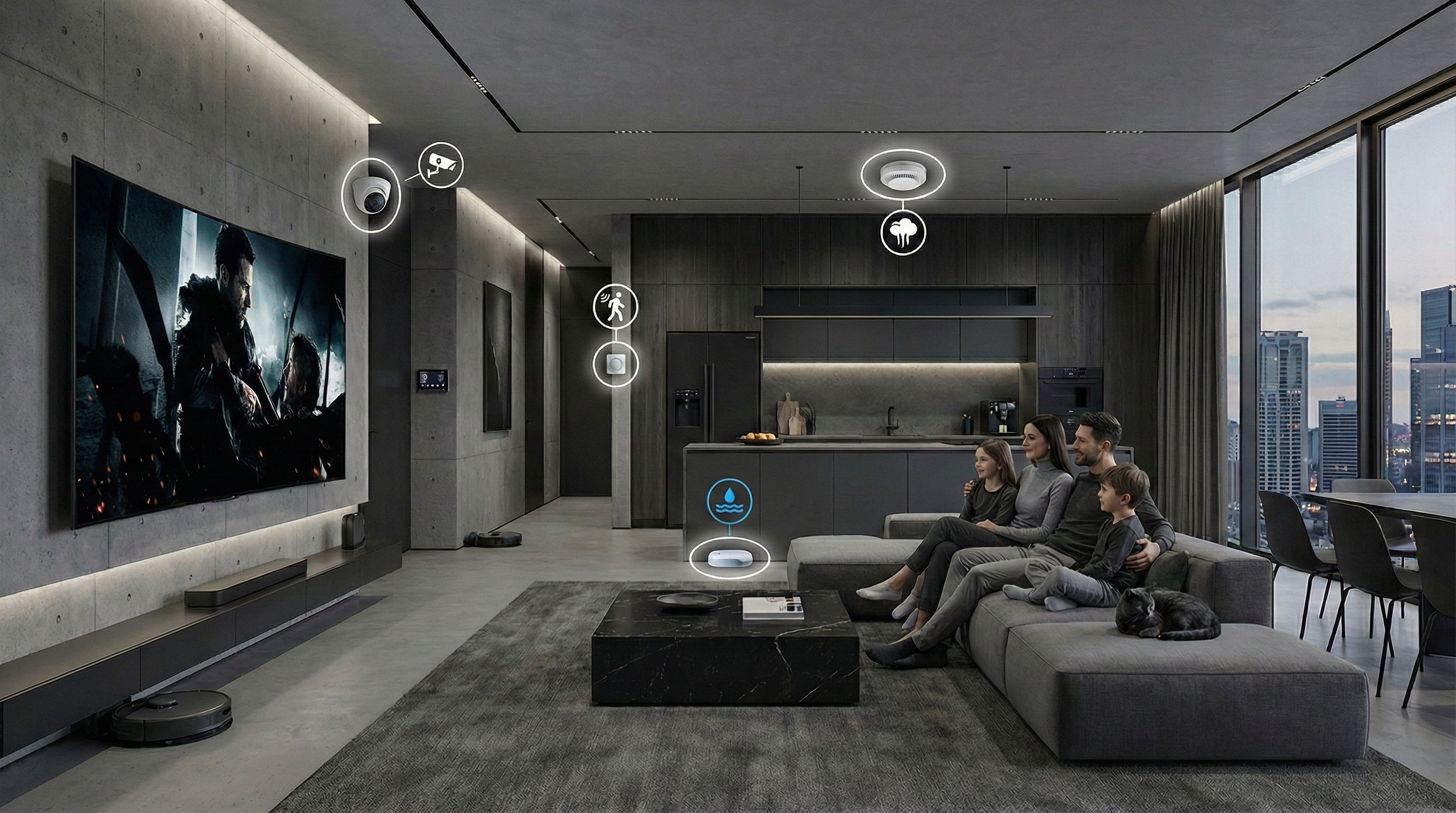
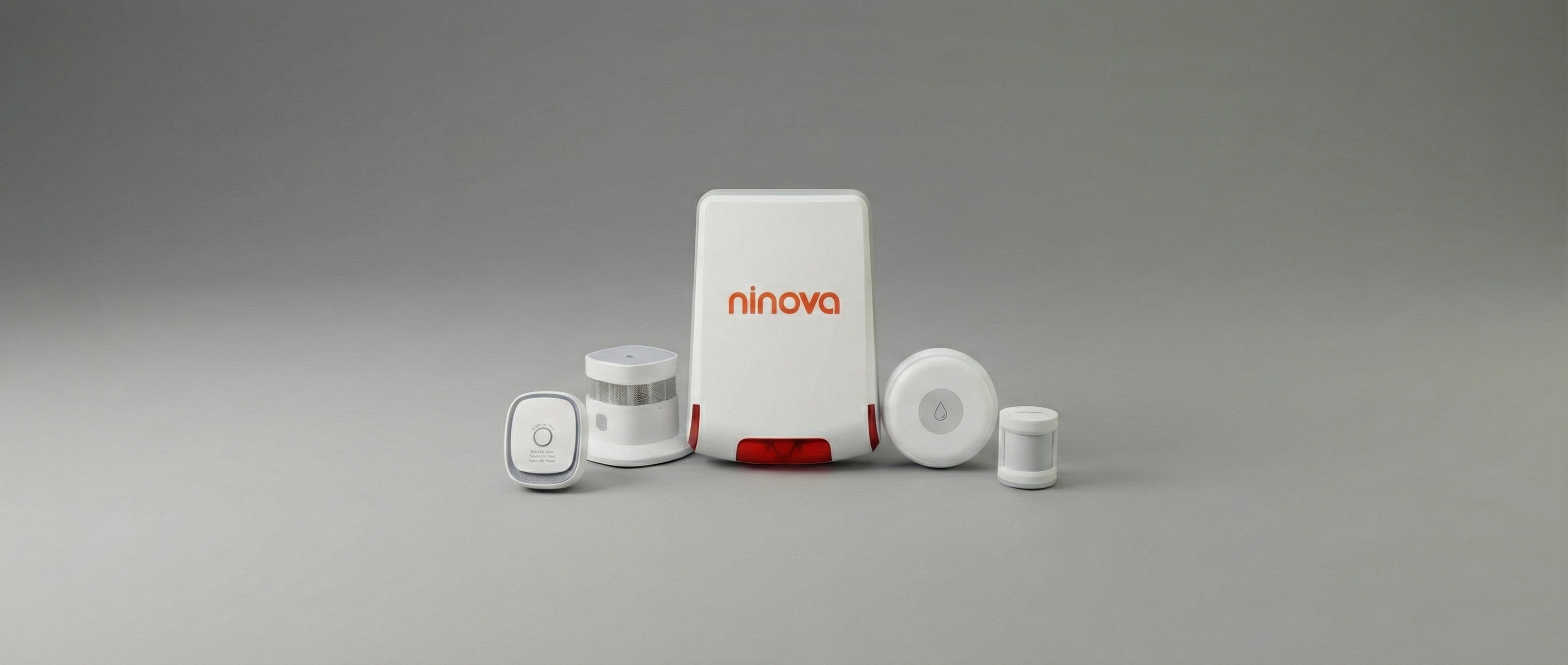
For villa security, different solutions such as door and window sensors, motion sensors, presence sensors, water leak sensors, gas detectors, and smoke detectors can be integrated into the automation system. You can explore Ninova's Smart Sensors and Detectors category for different sensor and detector solutions.
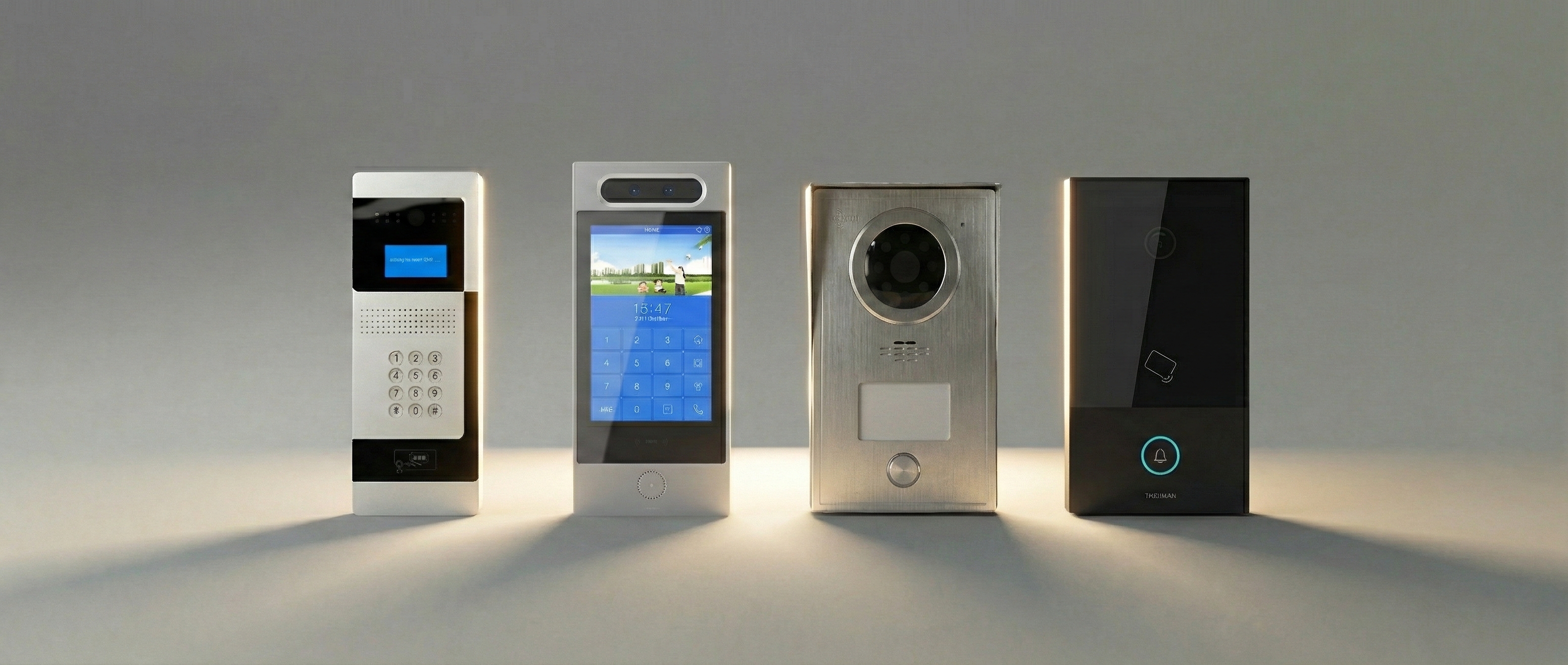
At the villa entrance, video intercom systems can be used to see visitors, communicate with them, and manage access depending on the system configuration. Ninova offers different Video Intercom and Door Phone solutions for residential and villa projects.
What Is a Smart Home System for a Villa?
A smart home system for a villa is an automation infrastructure that allows different devices and systems throughout the property to communicate with each other and operate according to predefined scenarios.
For example, when leaving the house, a single "Away Mode" can be activated. With this scenario, unnecessary lights can be turned off, blinds can be closed, the heating or cooling system can be adjusted, and the security system can be activated.
Similarly, an "I'm Home" scenario can automatically turn on selected lights, adjust the indoor temperature, and prepare the home for the occupants.
The main purpose of smart home automation is not simply to control every device separately. It is to make different systems work together in a coordinated and automated way.
Where Should You Start When Planning a Smart Villa System?
The first step in planning a smart home system for a villa should not be choosing products. It should be conducting a needs analysis.
The following questions should be answered before designing the system:
- How many floors does the villa have?
- How many rooms are there?
- Is there a garden, garage, terrace, or pool area?
- How many entrance doors are there?
- Which areas require security sensors?
- How will the lighting system be controlled?
- What type of heating and cooling system is installed?
- Will blinds or curtains be automated?
- Will smart door locks be integrated?
- Is a video intercom system required?
- Will the system be controlled through a mobile application?
- Which smart home scenarios will be used?
The answers to these questions help determine the required devices, communication technologies, and infrastructure.
For large villas, it is especially important to design an expandable system rather than installing a system that only meets today's needs.
1. Plan the Central Control System
The central control infrastructure is one of the most important components of a smart villa system.
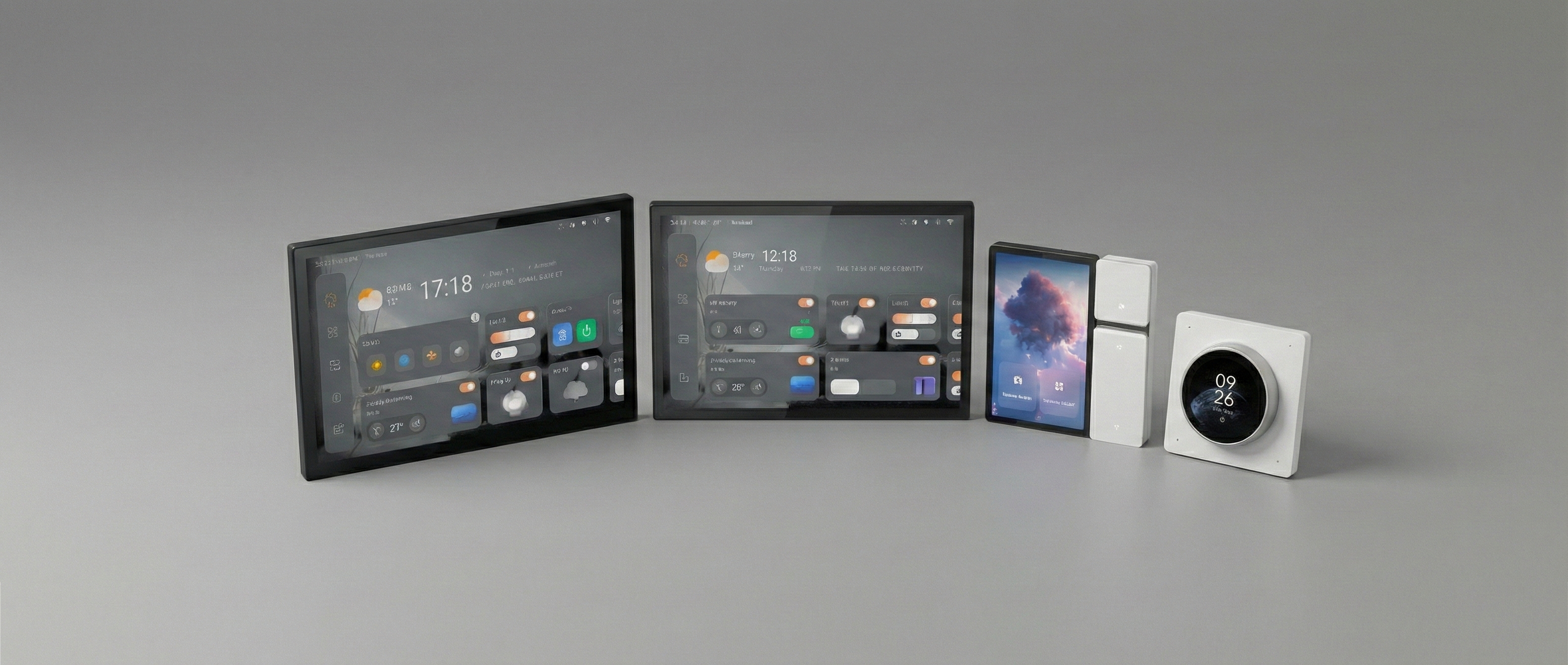
Depending on the system, users may control their smart home devices through a mobile application, touch control panel, smart switches, or other compatible interfaces.
Centralized control allows lighting, sensors, smart plugs, security devices, climate systems, and other smart products to operate together within predefined scenarios.
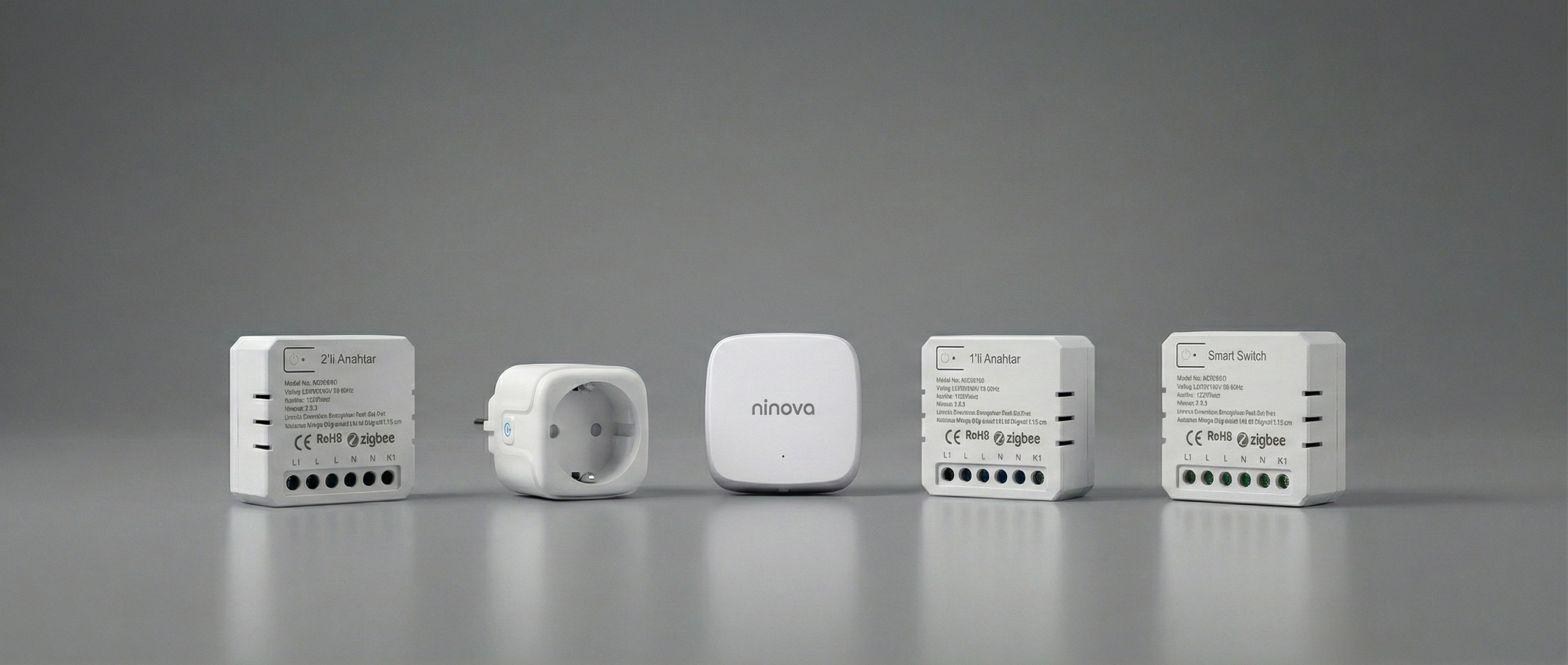
Ninova offers smart home control solutions and Zigbee gateway products that can help compatible devices communicate within a centralized smart home infrastructure.
When selecting the location of the central control system or gateway, the size of the villa, the number of floors, wireless communication range, network infrastructure, and device locations should all be taken into consideration.
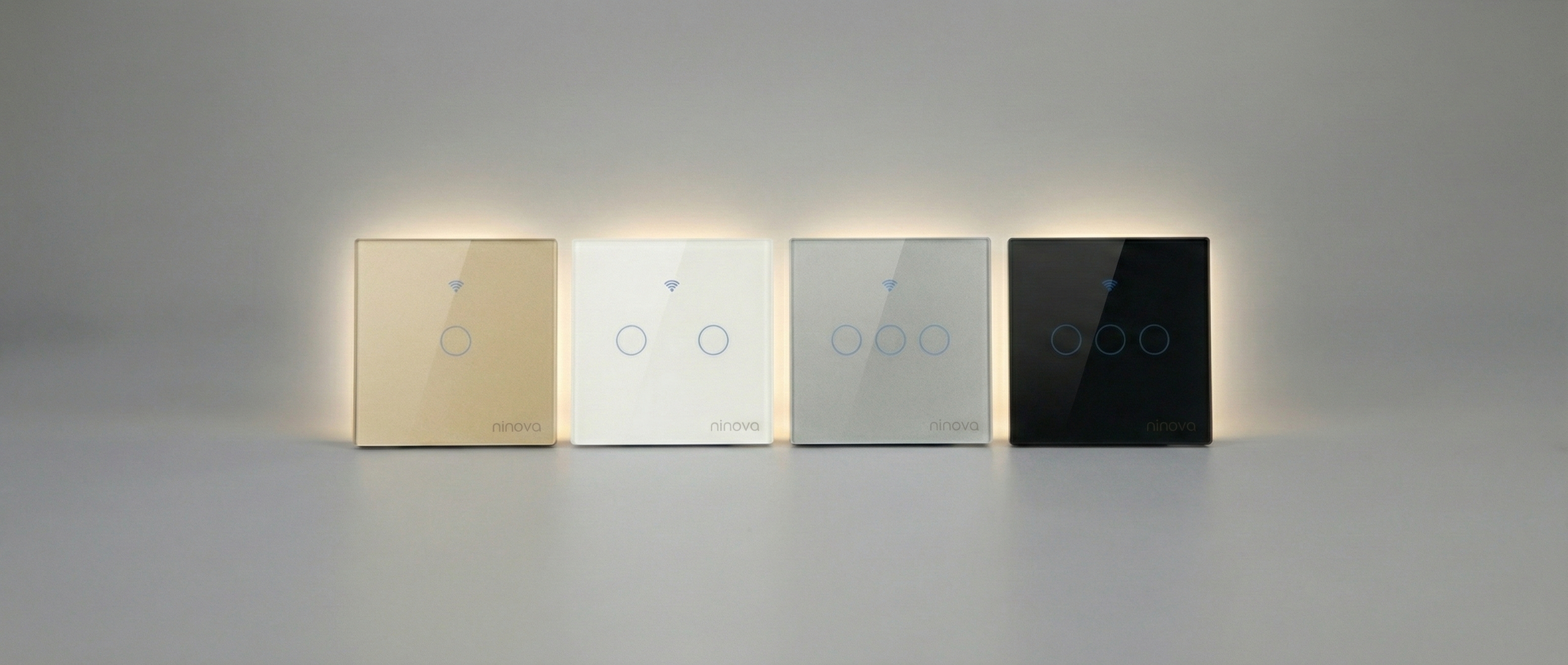
2. How Should Smart Lighting Be Planned in a Villa?
Lighting automation is one of the most commonly used features of a smart home system.
In a villa, different lighting zones can be created for the living room, kitchen, bedrooms, hallways, stairs, bathrooms, garden, garage, and terrace.
However, the main advantage of smart lighting is not simply turning lights on and off from a smartphone. Lighting can also be integrated into different automation scenarios.
Movie Mode
Main lights can be turned off while decorative or ambient lighting is adjusted to a predefined level.
Night Mode
Hallway and staircase lighting can operate at a lower intensity during nighttime.
Away Mode
All unnecessary lights throughout the villa can be turned off when the occupants leave.
Welcome Home Mode
Entrance and selected living areas can automatically be illuminated when the occupants arrive.
For this reason, lighting should be planned according to both the physical layout of the villa and the scenarios that users will actually need.
3. How Should a Smart Villa Security System Be Planned?
Security automation is particularly important in large villas because they often include multiple entrances, large windows, gardens, garages, terraces, and other external areas.
Different devices can be integrated into the security system, including:
- Door and window sensors
- Motion sensors
- Presence sensors
- Water leak sensors
- Gas detectors
- Smoke detectors
- Vibration sensors
- Smart sirens
- Smart door locks
For example, if a door is opened while the occupants are away, the system can send a notification to the user's mobile device.
Similarly, a water leak sensor installed in a kitchen, bathroom, boiler room, or technical area can detect a potential water leak and alert the user.
Ninova's smart sensor solutions include different products such as door and window sensors, motion sensors, water leak sensors, gas sensors, smoke sensors, vibration sensors, and presence sensors.
The placement of sensors is just as important as the sensors themselves. A water leak sensor should be installed near areas where water leakage may occur, while door and window sensors should be positioned at entrances and openings that need to be monitored.
4. Video Intercom and Door Phone Systems for Villas
Another important part of a smart villa system is entrance management.
A video intercom system allows residents to see visitors at the entrance, communicate with them, and, depending on the system configuration, manage door access.
Modern villa intercom systems may include features such as touchscreens, IP connectivity, high-resolution video, two-way audio, and mobile application integration.
Ninova offers different villa intercom solutions, including systems with various screen sizes and IP/TCP connectivity options.
When planning the system, the main entrance, outdoor door station, indoor monitor location, network infrastructure, and access control requirements should be considered together.
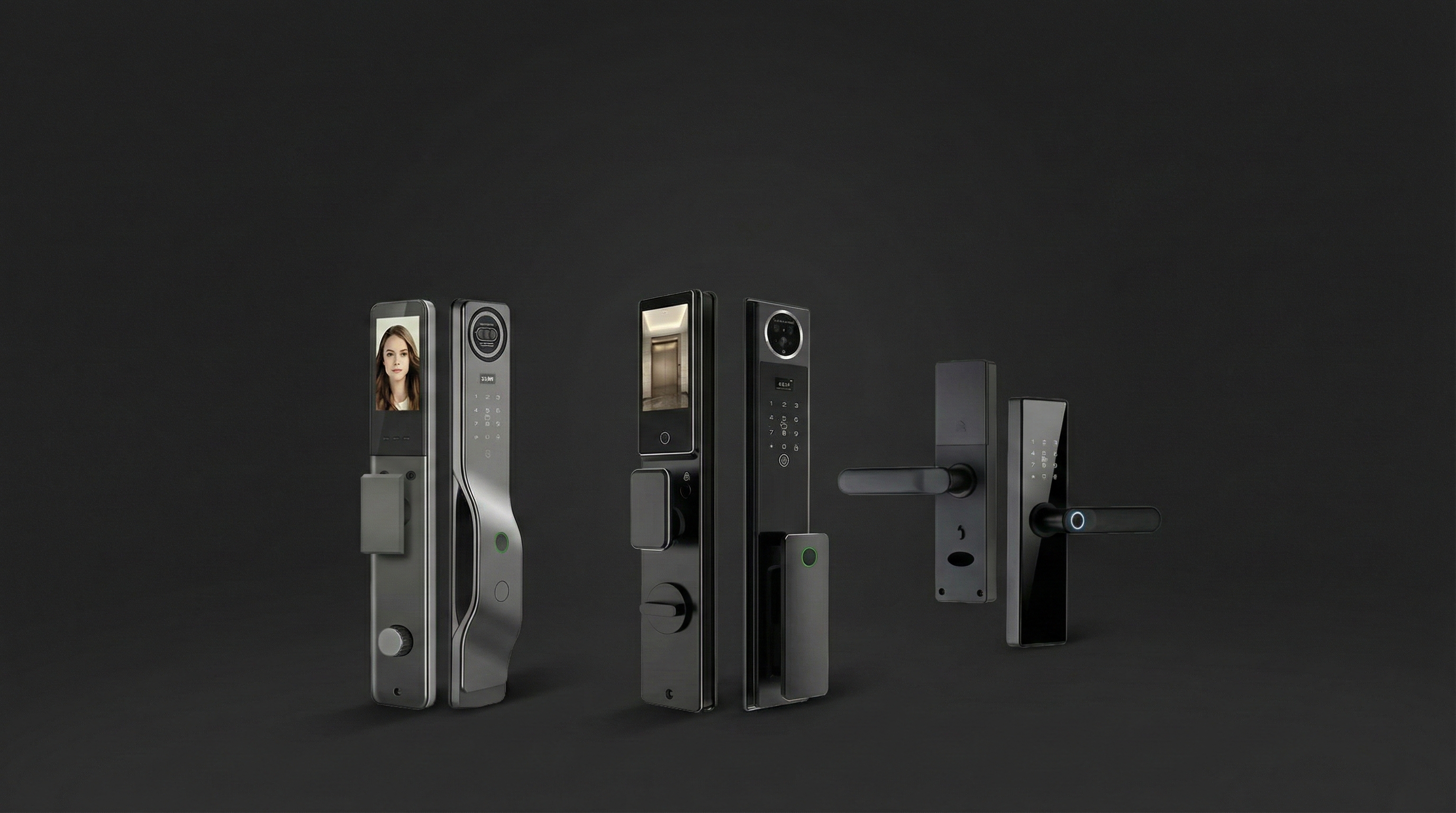
5. Smart Door Locks and Access Control
Traditional keys can be replaced or supplemented with smart door lock solutions in a villa.
Depending on the product, smart locks may support different access methods such as:
- Mobile applications
- PIN codes
- RFID cards
- Digital access credentials
- Other compatible access methods
Smart locks can make access management easier for family members, employees, maintenance personnel, or temporary guests.
When selecting a smart door lock, the existing door structure, mechanical lock system, door thickness, power requirements, and compatibility with the smart home infrastructure should be considered.
6. Smart Climate Control for Villas
Temperature management is another important part of a comfortable smart villa.
Large villas often have different rooms with different usage schedules. Therefore, heating and cooling do not necessarily need to operate at the same level throughout the entire house.
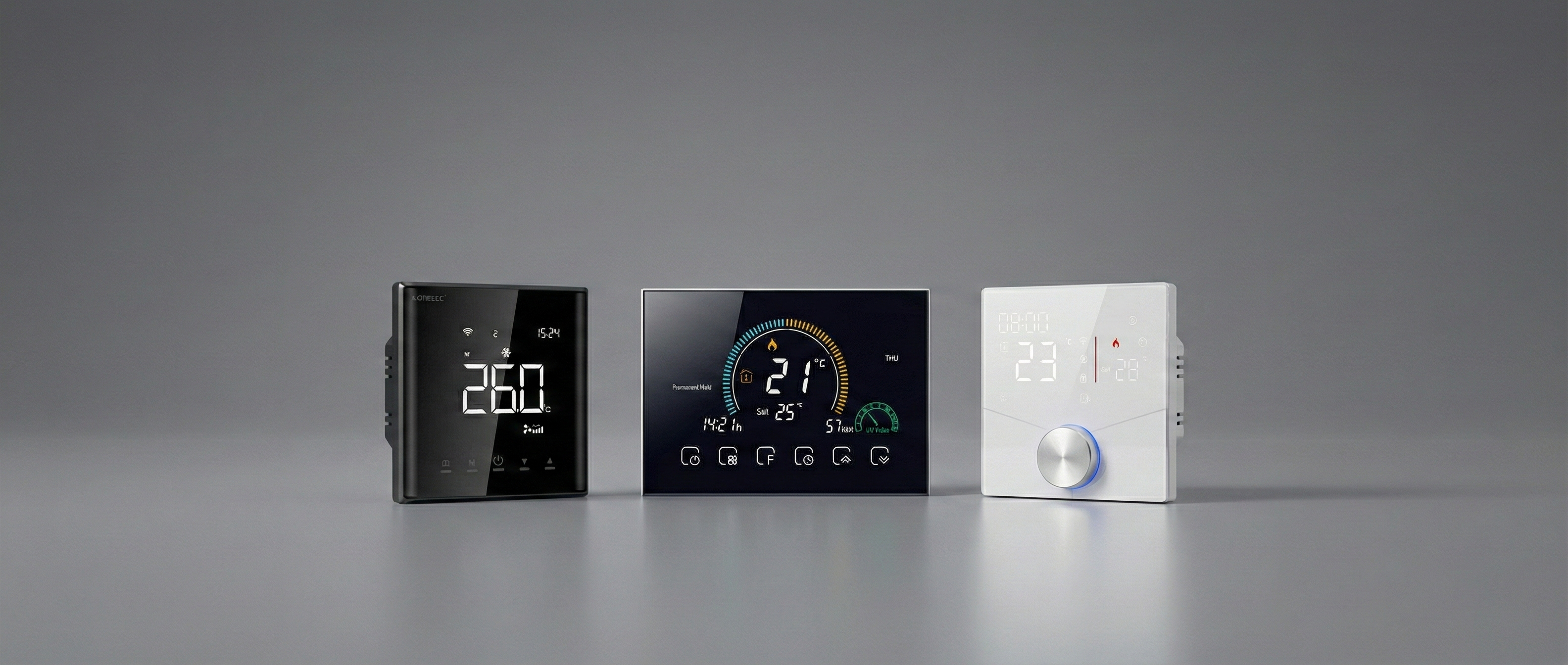
Smart thermostats and climate control solutions can help manage indoor temperatures according to schedules, user preferences, and automation scenarios.
For example, bedrooms can be prioritized in the morning, living areas during the day, and the living room during the evening.
When the villa is empty, the climate system can also be adjusted to avoid unnecessary operation.
This approach can help improve both comfort and energy management.
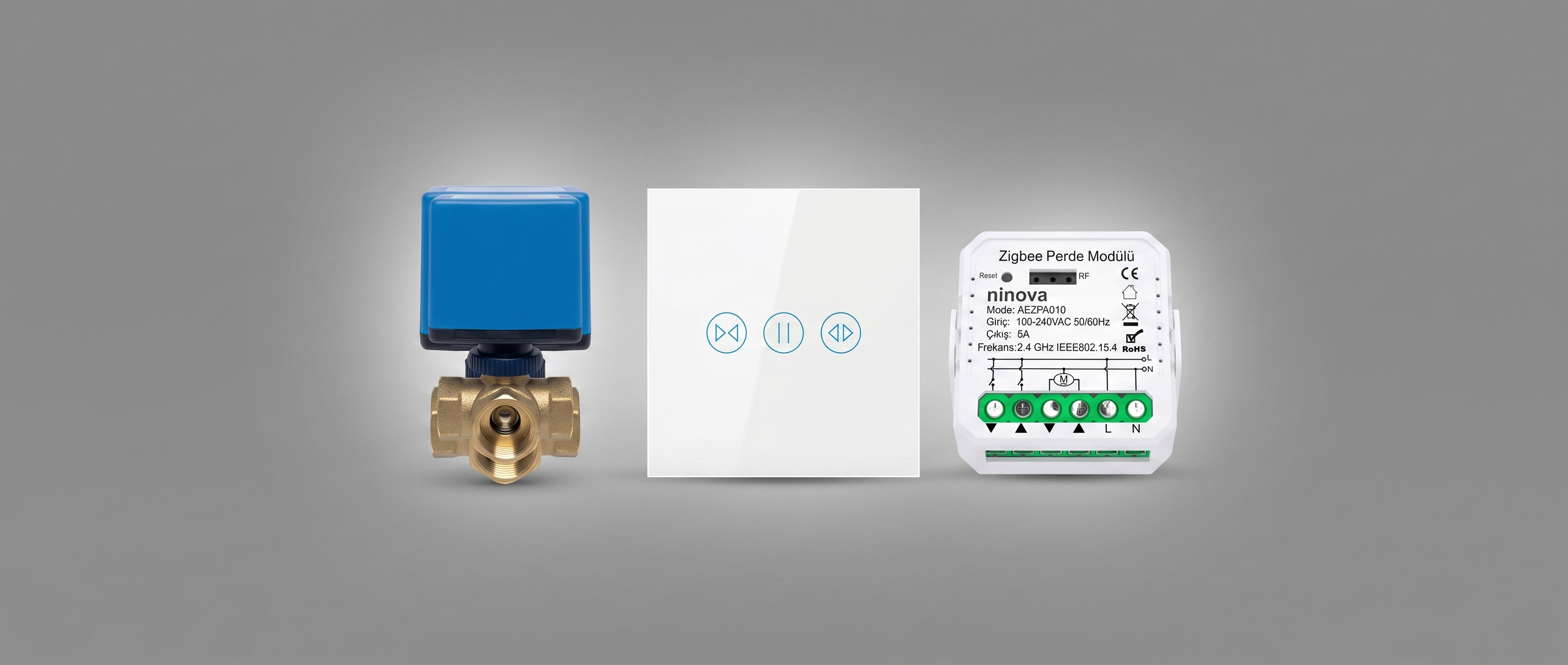
7. Smart Blinds and Curtain Automation
Large villas often have numerous windows and large glass surfaces. This makes blind and curtain automation particularly useful.
For example, blinds can automatically open to a predefined position in the morning and close in the evening.
Automation can also be based on schedules, sunlight conditions, temperature, or user-defined scenarios.
In modern villas with large glass windows, smart blind automation can contribute to convenience, privacy, and climate management.
8. Don't Forget the Garden, Garage, and Outdoor Areas
When planning a smart villa system, it is important not to focus only on indoor areas.
The garden, garage, terrace, pool area, driveway, and external entrances should also be considered as part of the smart home project.
Garden lighting can be scheduled to operate automatically. Garage lighting can turn on when movement is detected. External doors can be integrated into security scenarios.
For outdoor installations, the environmental conditions, product protection ratings, installation locations, and exposure to weather conditions should be considered when selecting devices.
9. Smart Home Scenarios Should Be Designed in Advance
A successful smart villa system is not necessarily the system with the largest number of devices. The real value comes from how effectively those devices work together.
Some useful villa automation scenarios include:
I'm Home
- Entrance lighting turns on.
- Selected living room lights are activated.
- The climate system adjusts to the preferred temperature.
- Blinds move to a predefined position.
I'm Leaving
- Unnecessary lights turn off.
- Blinds close.
- Heating or cooling switches to an appropriate mode.
- The security system is activated.
Night Mode
- Main lights turn off.
- Hallway and staircase lights operate at a lower intensity.
- Blinds close.
- Selected security functions become active.
Vacation Mode
When the villa is empty for an extended period, selected automation functions can continue operating according to predefined settings.
The user can also monitor compatible security sensors and control supported devices remotely through the smart home system.
10. Electrical and Network Infrastructure Should Be Planned from the Beginning
Infrastructure is just as important as product selection in a smart villa project.
If a villa is being newly constructed, the smart home system should ideally be planned during the architectural and electrical design stage.
Electrical wiring, network cabling, control points, device locations, gateway locations, and equipment cabinets can all be considered before construction is completed.
Network infrastructure is particularly important for IP-based video intercom systems.
For wireless sensors, the selected communication protocol, gateway location, wireless range, and the number of connected devices should also be considered.
Planning the infrastructure early can make the installation cleaner, more reliable, and easier to expand in the future.
11. Why Can Zigbee Be Used in Smart Villa Systems?
Different wireless communication technologies can be used in smart home automation.
Zigbee is one of the technologies commonly used in smart home applications. Its low-power characteristics and ability to connect compatible devices within a smart home network make it suitable for many automation projects.
Ninova's product range includes Zigbee-compatible solutions such as door and window sensors, motion sensors, water leak sensors, gas sensors, smoke sensors, vibration sensors, and presence sensors.
A Zigbee gateway can act as a central communication point for compatible devices within the automation system.
However, not every villa requires the same communication architecture. The number of devices, building size, number of floors, construction materials, wireless conditions, and user requirements should be evaluated before choosing the appropriate infrastructure.
12. Can a Smart Home System Be Added to an Existing Villa?
Yes. Many smart home solutions can be installed in existing villas.
However, the scope of the project may depend on the existing electrical infrastructure, network infrastructure, installed devices, and the type of automation required.
For newly constructed villas, planning the smart home system during the design and construction stages can make it easier to implement a more comprehensive automation solution.
If you are buying or building a villa and are considering smart home automation, it is useful to identify your requirements as early as possible.
What Should You Consider When Planning a Smart Villa System?
Before starting a villa smart home project, the following points should be evaluated:
- Conduct a detailed needs analysis.
- Review the villa's architectural floor plans.
- Identify security zones and entry points.
- Define lighting automation scenarios.
- Include heating and cooling systems in the automation plan.
- Plan door and window automation.
- Determine the video intercom and access control requirements.
- Plan the network infrastructure.
- Position gateways and central control devices correctly.
- Leave room for future expansion.