What to Consider When Buying a Smart Door Lock
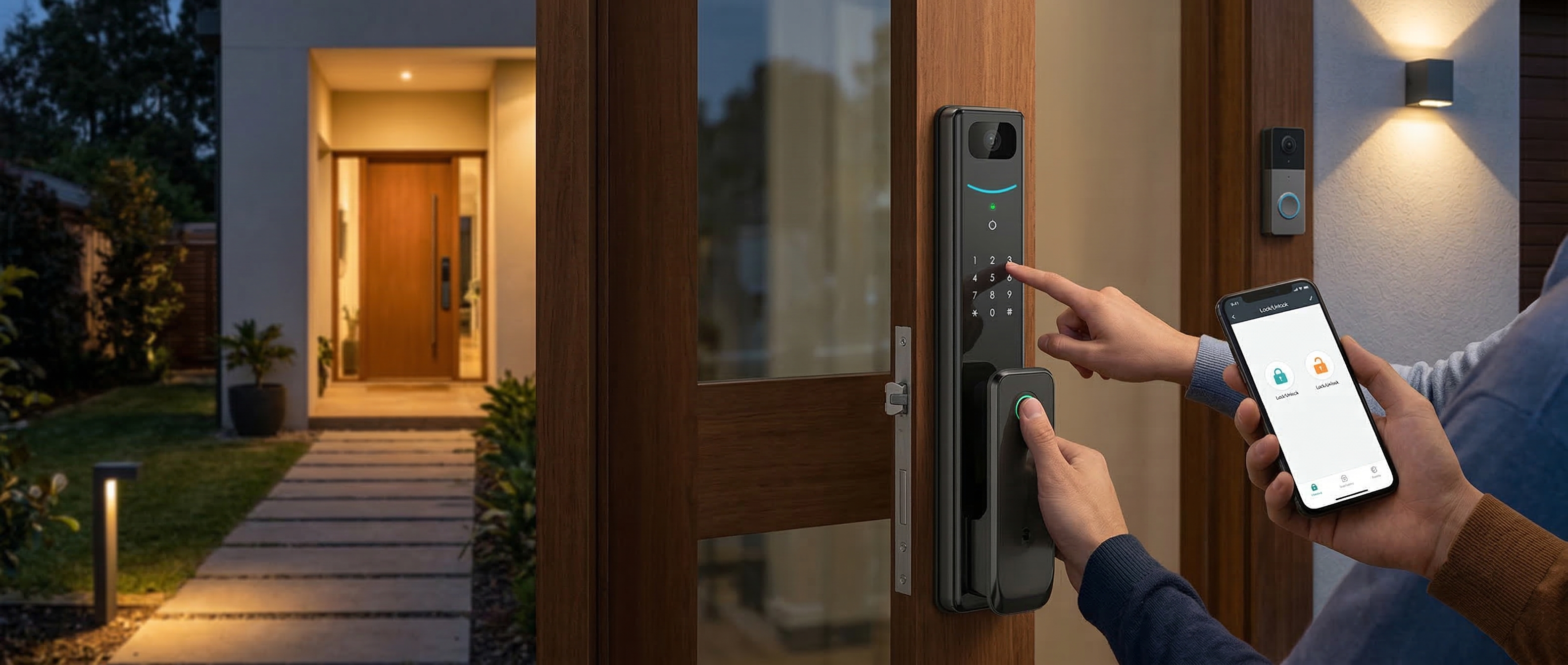
As smart home technologies rapidly advance, security solutions have also evolved significantly. One of the most notable examples is the smart door lock. These systems eliminate the need for traditional keys and can be controlled via mobile devices, offering both security and convenience.
However, with numerous brands, models, and technologies on the market, choosing the right product can be challenging. Before purchasing a smart door lock, several important factors must be evaluated. This article provides a detailed guide on what to consider when buying a smart door lock.
What Is a Smart Door Lock?
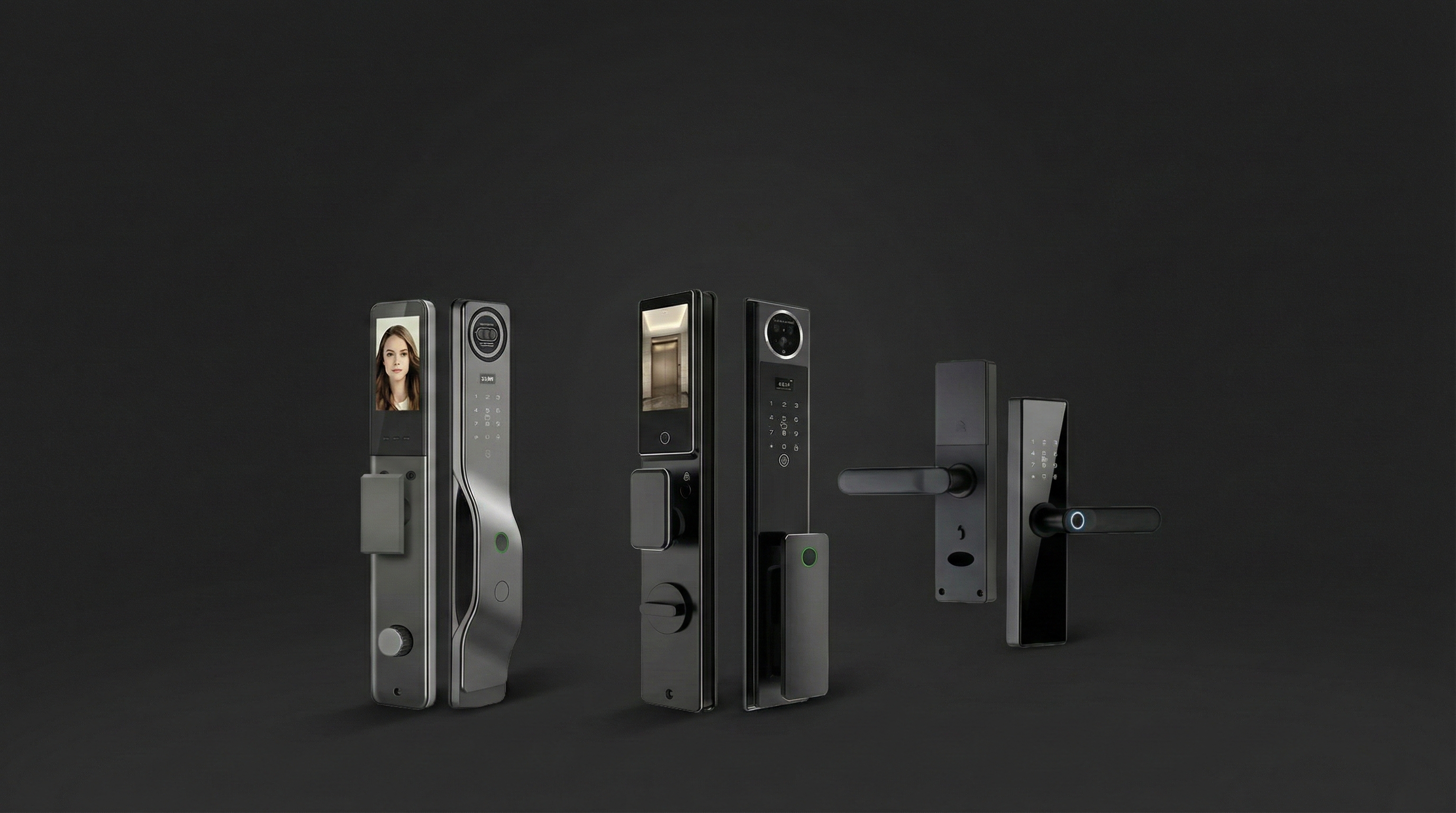
A smart door lock is a security system that allows doors to be controlled remotely using internet or wireless technologies. These locks usually operate through mobile apps, fingerprint scanners, keypads, or card systems.
Unlike traditional locks, smart locks provide the ability to:
-
Open and close doors via smartphone
-
Grant temporary access to visitors
-
Check whether a door is open or closed
-
Keep a record of door entries and exits
These features increase home security while also offering convenience in daily life.
Security Level
The most important factor when buying a smart door lock is its security level. Since these products are directly related to your home’s safety, they must provide robust protection.
Key security features include:
-
Password protection system
-
Auto-lock functionality
-
Alarm system for failed attempts
-
Tamper-resistant mechanisms
-
Concealed password technology
Some advanced models also include anti-hacking protocols and encryption systems, which make the devices more resistant to digital attacks.
Door Compatibility
Not every smart lock fits every door. Before purchasing, you should check the structure and measurements of your door.
Factors affecting compatibility:
-
Door thickness
-
Lock mechanism type
-
Door material (wood, steel, aluminum, etc.)
-
Cylinder type
Certain smart locks may only work with specific door types, so reviewing the door compatibility details in the product specifications is essential.
Lock Access Methods
Smart locks offer various ways to unlock doors. Models with multiple access options are generally more convenient.
Common access methods include:
-
Fingerprint recognition
-
Keypad code entry
-
Mobile app control
-
RFID card
-
Remote unlocking
-
Mechanical key
Fingerprint plus mobile app access is considered the most secure and practical. For emergencies, models with mechanical key support are highly recommended.
Mobile App Features
Most smart locks are managed via mobile applications, so the app’s functionality is critical.
Important mobile app features:
-
Remote door locking/unlocking
-
Adding or removing users
-
Generating temporary access codes
-
Viewing entry logs
-
Receiving notifications
Some apps also offer integration with other smart home systems, allowing the lock to work seamlessly with other connected devices.
Internet and Connectivity Technology
Smart door locks operate using different connectivity technologies, which directly affect their performance and usability.
Common connection types:
-
Bluetooth
-
Wi-Fi
-
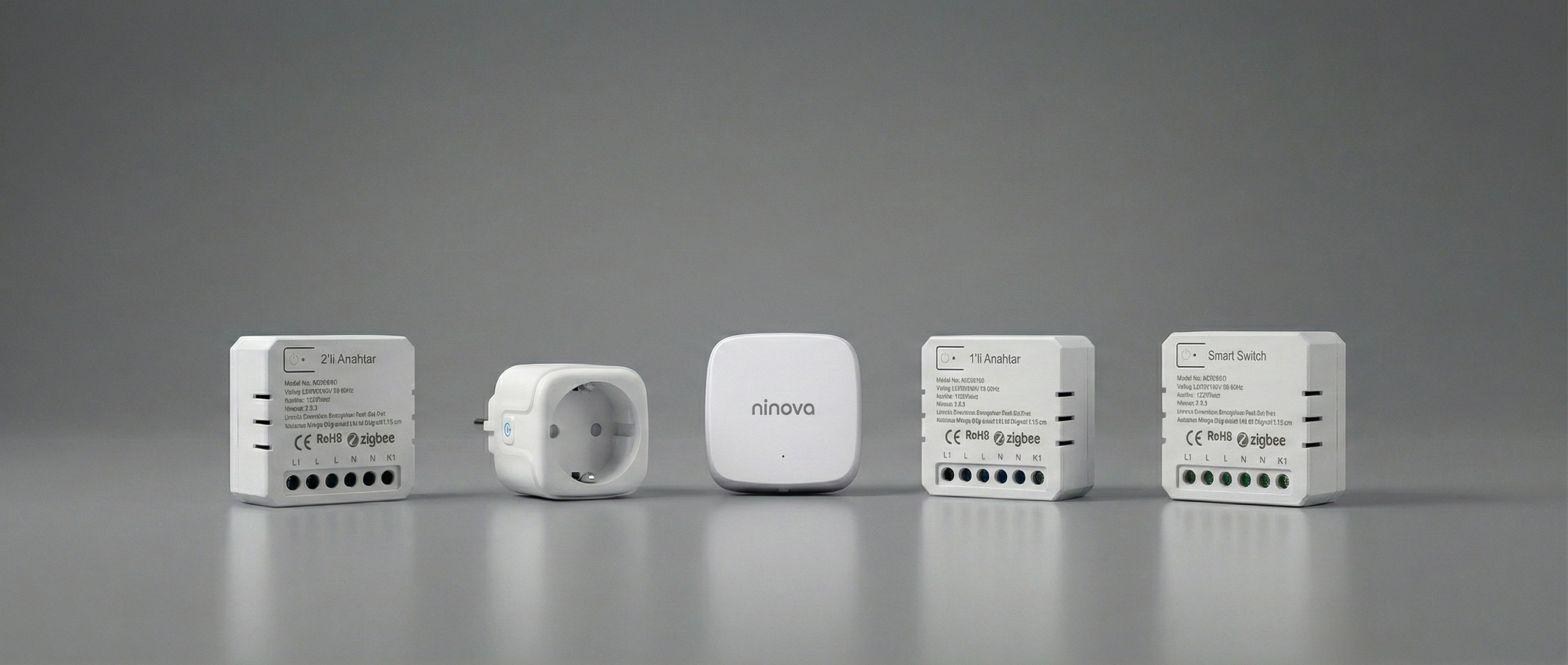
Zigbee
-
Z-Wave
Bluetooth is suitable for short-range operation and consumes less energy. Wi-Fi-enabled locks are ideal for remote control from anywhere in the world.
Battery Life
Most smart locks are powered by batteries, making battery life an important consideration.
Typical battery life:
-
Between 6 to 12 months depending on usage
Some advanced models include:
-
Low battery alerts
-
Emergency power input
-
Powerbank support
These features prevent the lock from becoming inoperable unexpectedly.
Ease of Installation
The installation process should also be considered when buying a smart lock.
Some models:
-
Attach to the existing lock without drilling
-
Require no door modification
These DIY-friendly locks are easier for most homeowners to install. Other models may require professional installation, which could increase cost and complexity.
User Management
User management is a key feature of smart locks, allowing control over who can access your home.
For instance:
-
Grant permanent access to family members
-
Create temporary codes for guests
-
Set access times for cleaning personnel
This is especially useful for short-term rental properties or shared housing situations.
Durability and Material Quality
A smart door lock is a long-term investment in home security, so material quality matters.
High-quality smart locks typically use:
-
Stainless steel
-
Aluminum alloy
-
Impact-resistant plastics
Additional considerations include:
-
Impact resistance
-
Water resistance
-
Dust protection
These features ensure longevity and reliable operation in different environments.
Emergency Features
Electronic devices can experience unexpected issues. Smart locks should provide emergency solutions.
Important emergency features:
-
Mechanical key override
-
Emergency power input
-
Automatic locking
-
Built-in alarm system
These features enhance security and provide access during unforeseen circumstances.
Brand Reputation and Warranty
Choosing a reputable brand is crucial when purchasing a smart door lock. Established brands generally offer more reliable hardware and secure software.
Considerations:
-
Warranty period (ideally 2 years or more)
-
After-sales support and technical service
A trustworthy brand ensures a safer investment and better long-term satisfaction.