Smart Home Systems vs Traditional Systems: Which One Makes More Sense?
Homes today are no longer just places to live—they are evolving into spaces focused on comfort, security, and efficiency. With rapid technological advancements, smart home systems have become increasingly popular, while traditional systems still remain a reliable and cost-effective choice for many. So, which one makes more sense? The answer depends on your needs, budget, and lifestyle. In this article, we’ll compare both systems in detail to help you make the right decision.
Smart Home Systems vs Traditional Systems: Which One Makes More Sense?
Homes today are no longer just places to live—they are evolving into spaces focused on comfort, security, and efficiency. With rapid technological advancements, smart home systems have become increasingly popular, while traditional systems still remain a reliable and cost-effective choice for many. So, which one makes more sense? The answer depends on your needs, budget, and lifestyle. In this article, we’ll compare both systems in detail to help you make the right decision.
What Are Smart Home Systems?
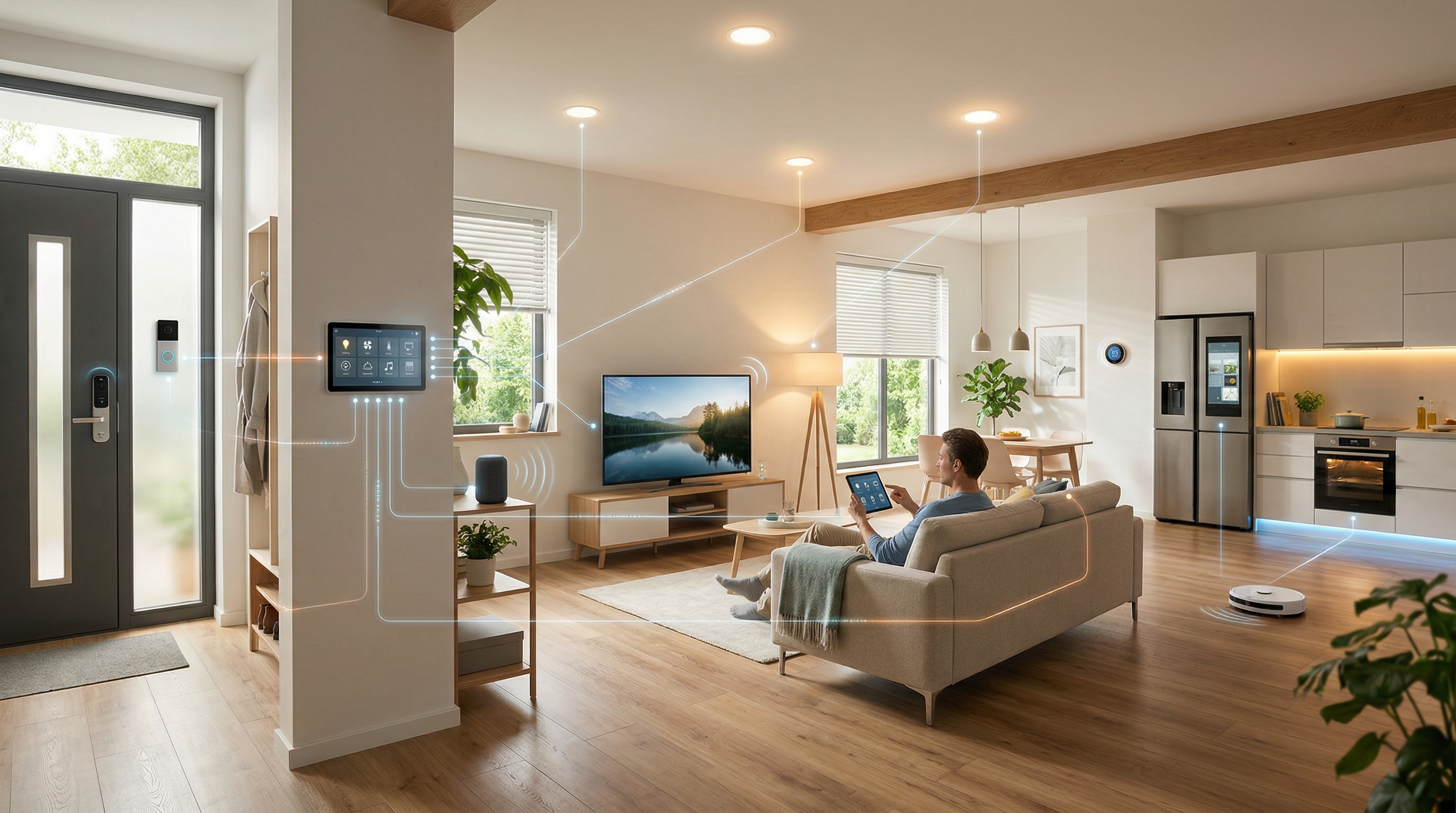
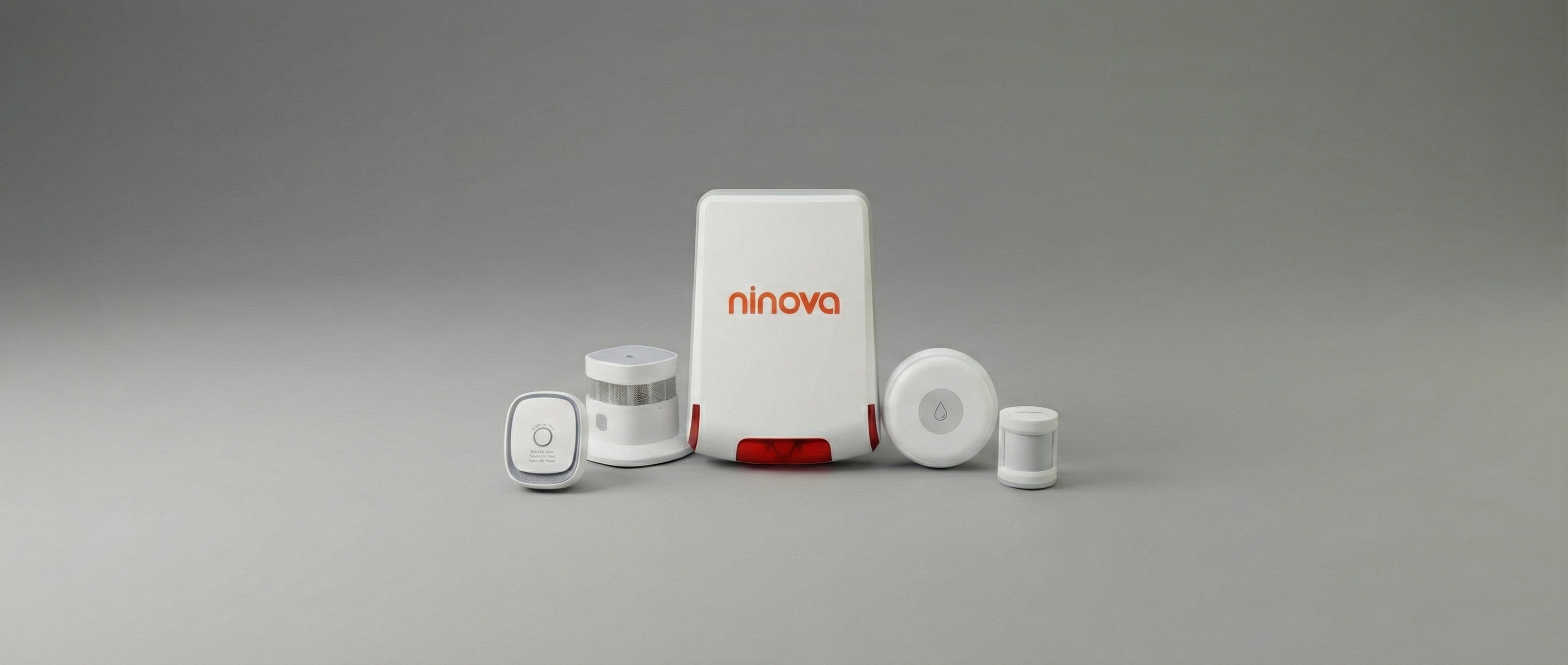
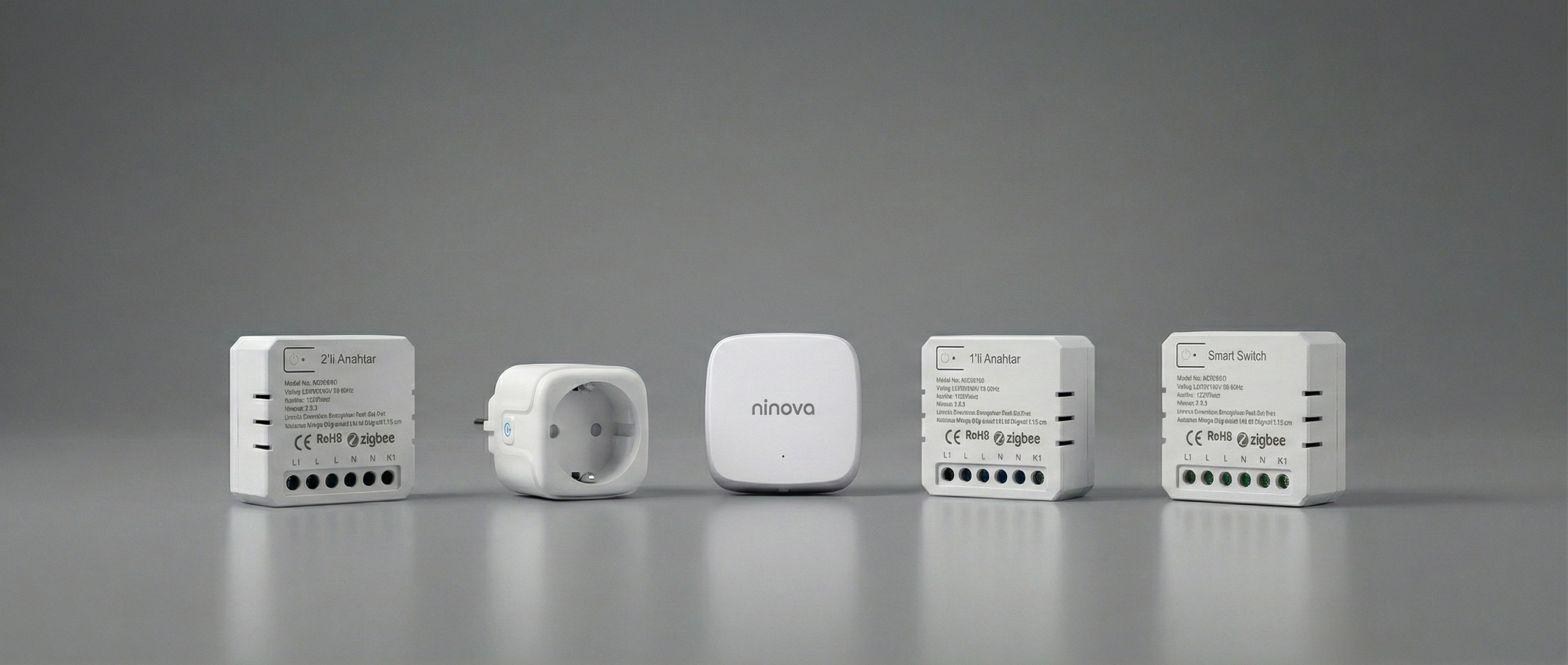
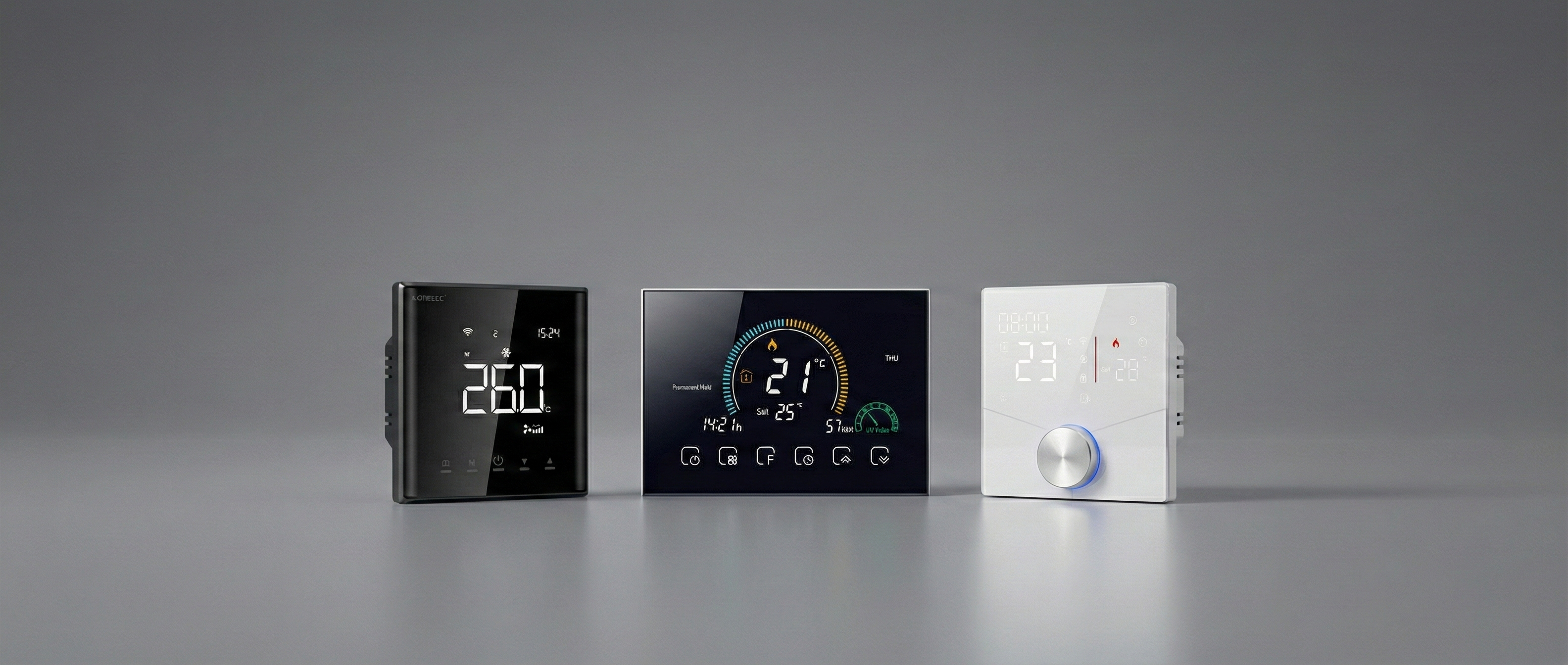
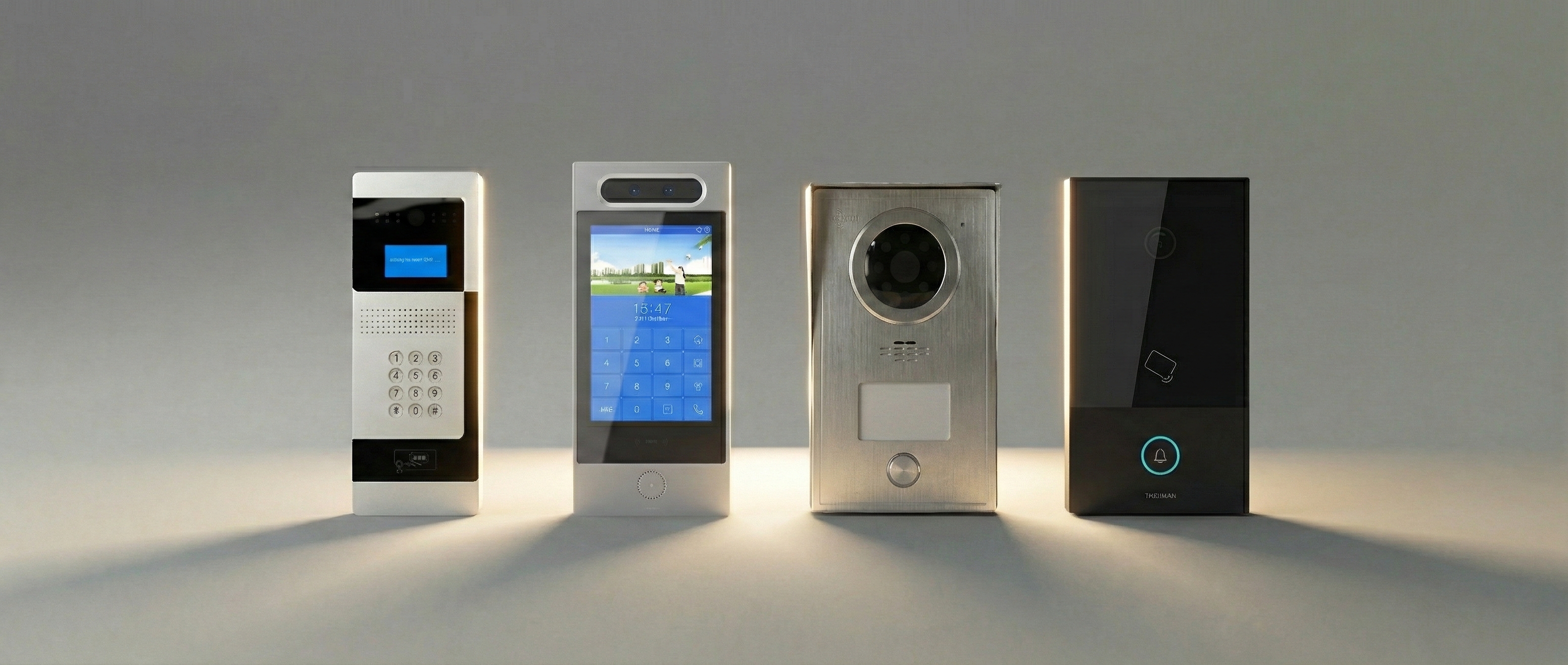
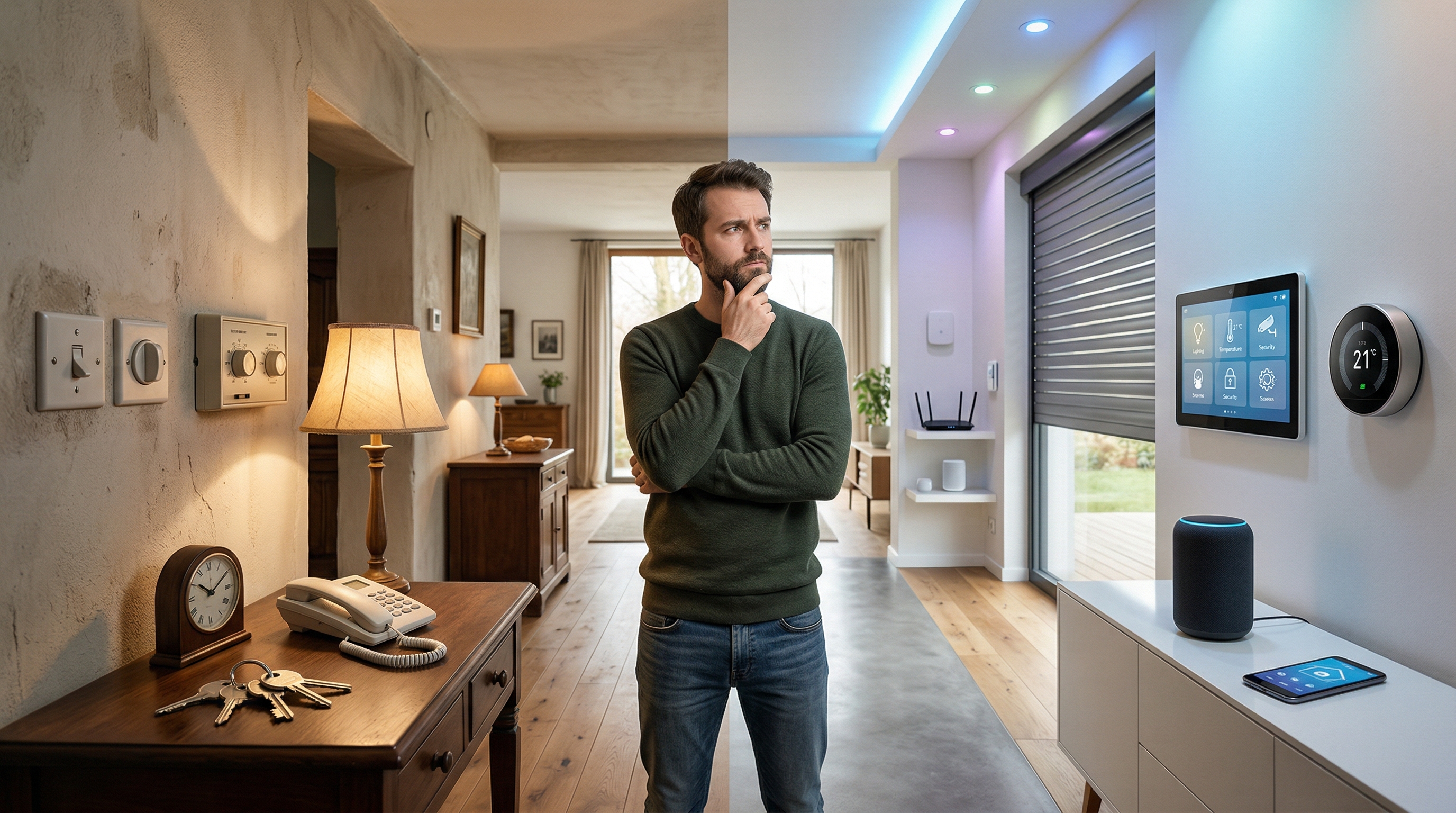
Smart home systems are automation setups that allow you to control lighting, heating, security, appliances, and more through the internet. These systems are typically managed via mobile apps, voice assistants, or centralized control panels.
For example:
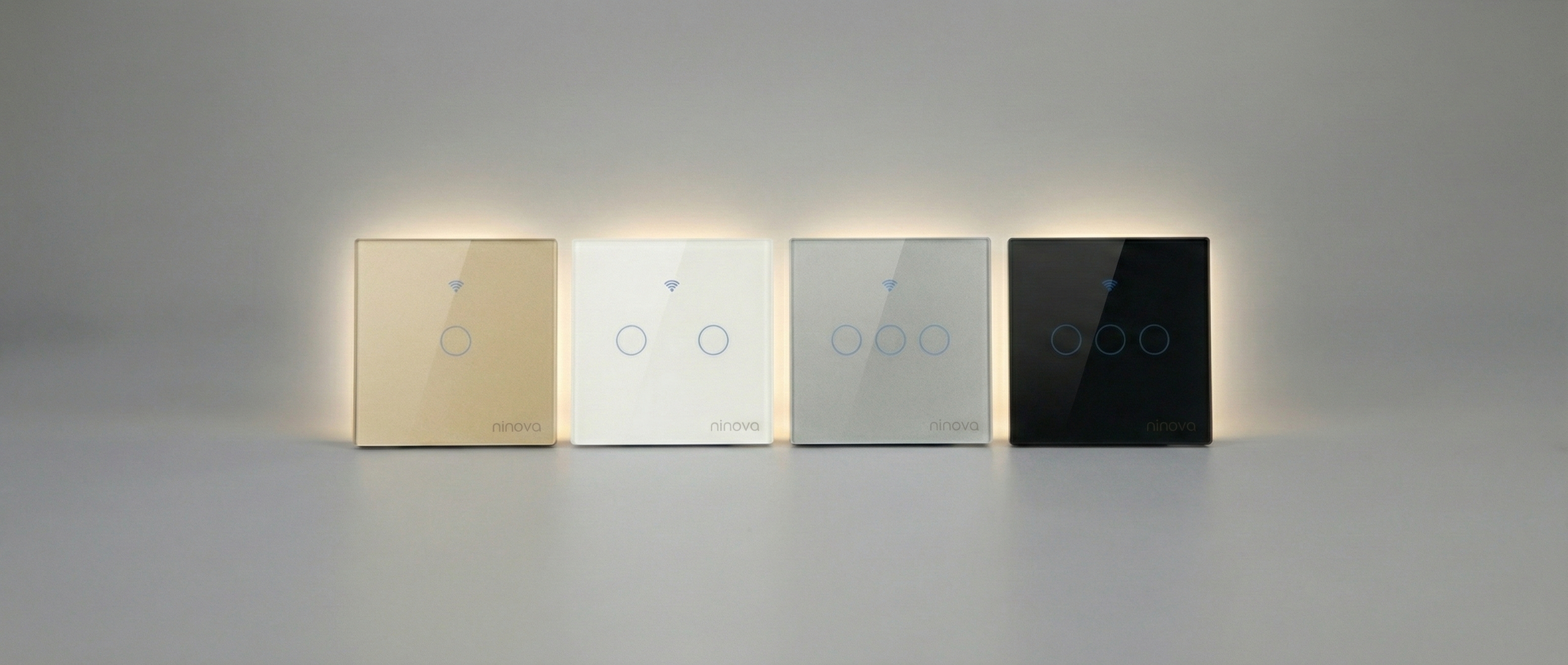
- You can turn lights on or off using your phone
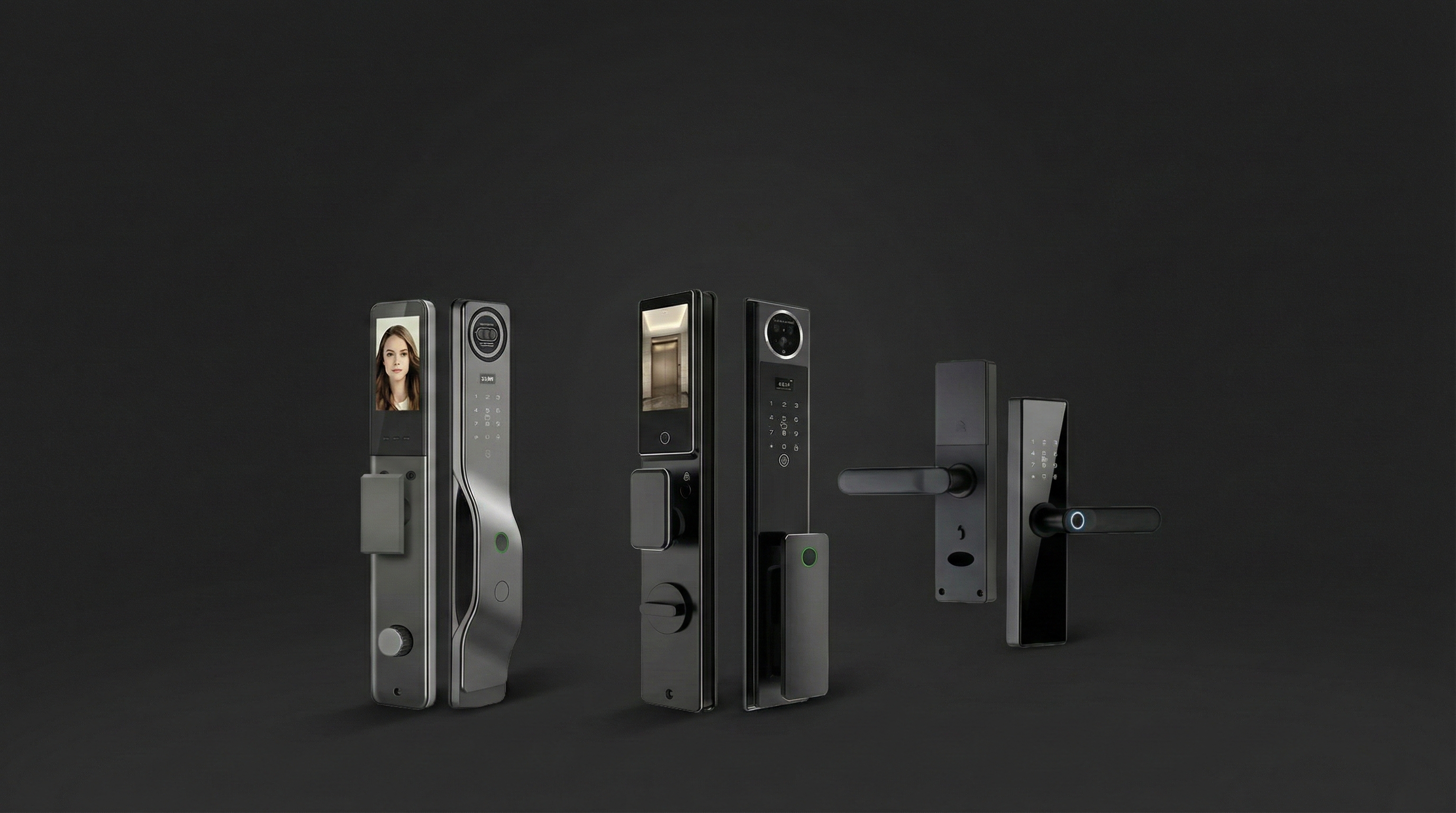
- Monitor security cameras remotely
- Adjust heating settings even when you're not at home
The biggest advantage of smart home systems is automation and remote access, making everyday living more convenient and efficient.
What Are Traditional Home Systems?
Traditional systems rely on manual control mechanisms that have been used for decades. You turn lights on with switches, adjust thermostats manually, and rely on basic security measures.
Key features include:
- Simple and easy-to-understand operation
- Lower installation costs
- No dependency on internet connectivity
Because of their simplicity, traditional systems are still widely used today.
Installation Cost Comparison
One of the most debated aspects of smart home systems is cost.
Smart home systems:
- Higher initial investment
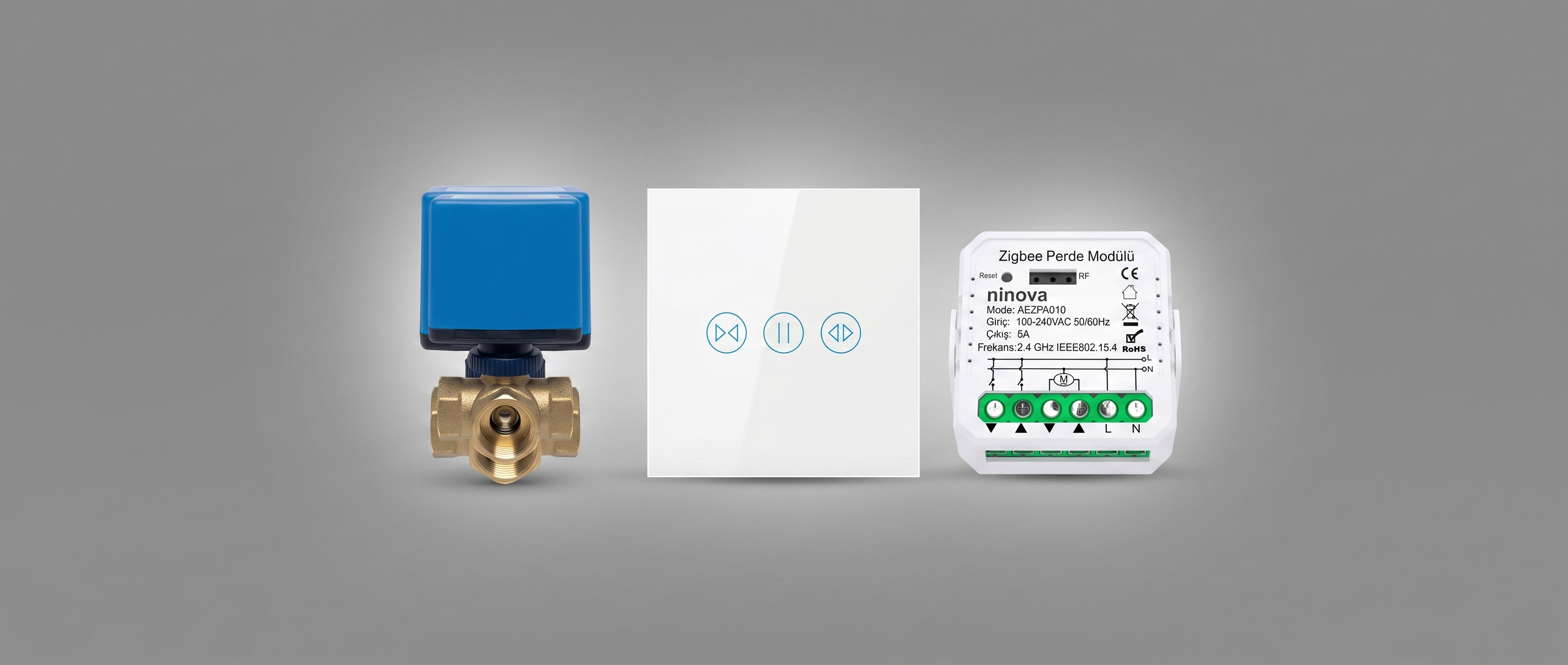
- Require smart devices, sensors, and software
- Often need professional installation
Traditional systems:
- Much lower upfront cost
- No additional technology required
- Easy to install
However, it’s important to note that while smart systems are more expensive initially, they can offset costs over time through energy savings.
Energy Efficiency and Savings
Energy efficiency is one of the strongest advantages of smart home systems.
Smart systems:
- Automatically turn off unused lights
- Optimize heating and cooling
- Use sensors to minimize energy waste
Traditional systems:
- Fully dependent on user behavior
- Forgotten lights or appliances can waste energy
If reducing your energy bills is a priority, smart systems clearly have the edge.