
What are smart home systems?
What are smart home systems?
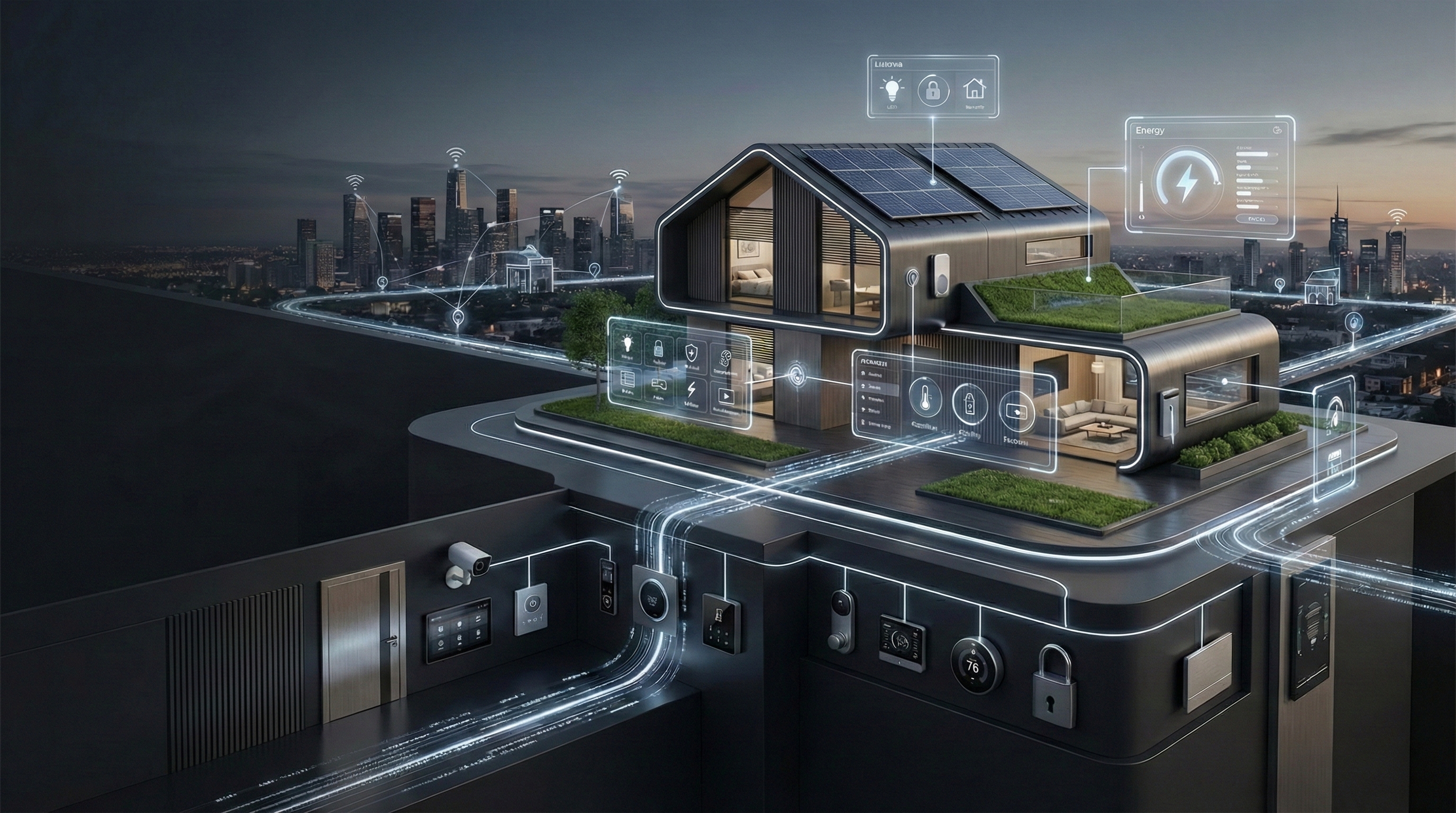
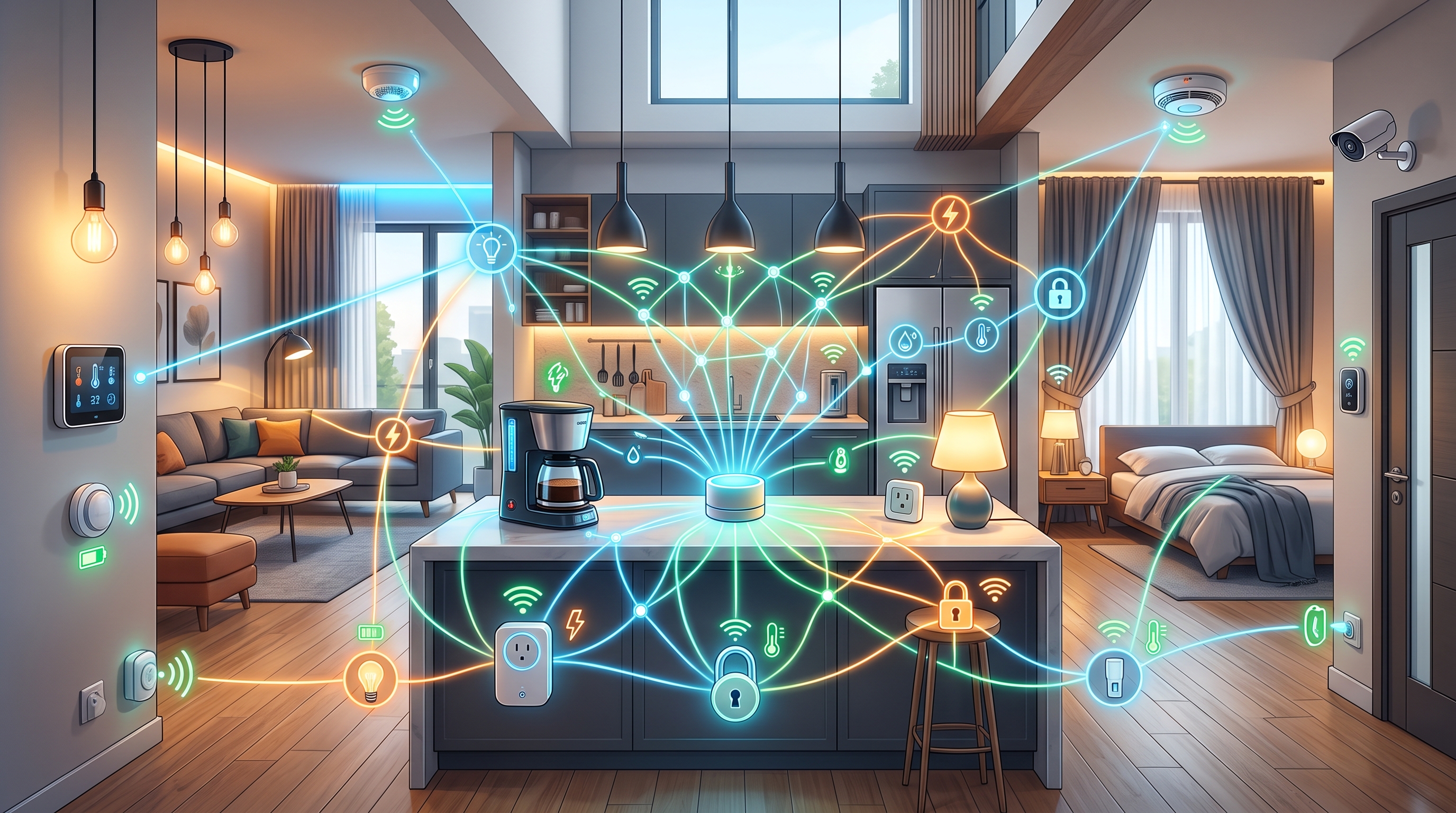
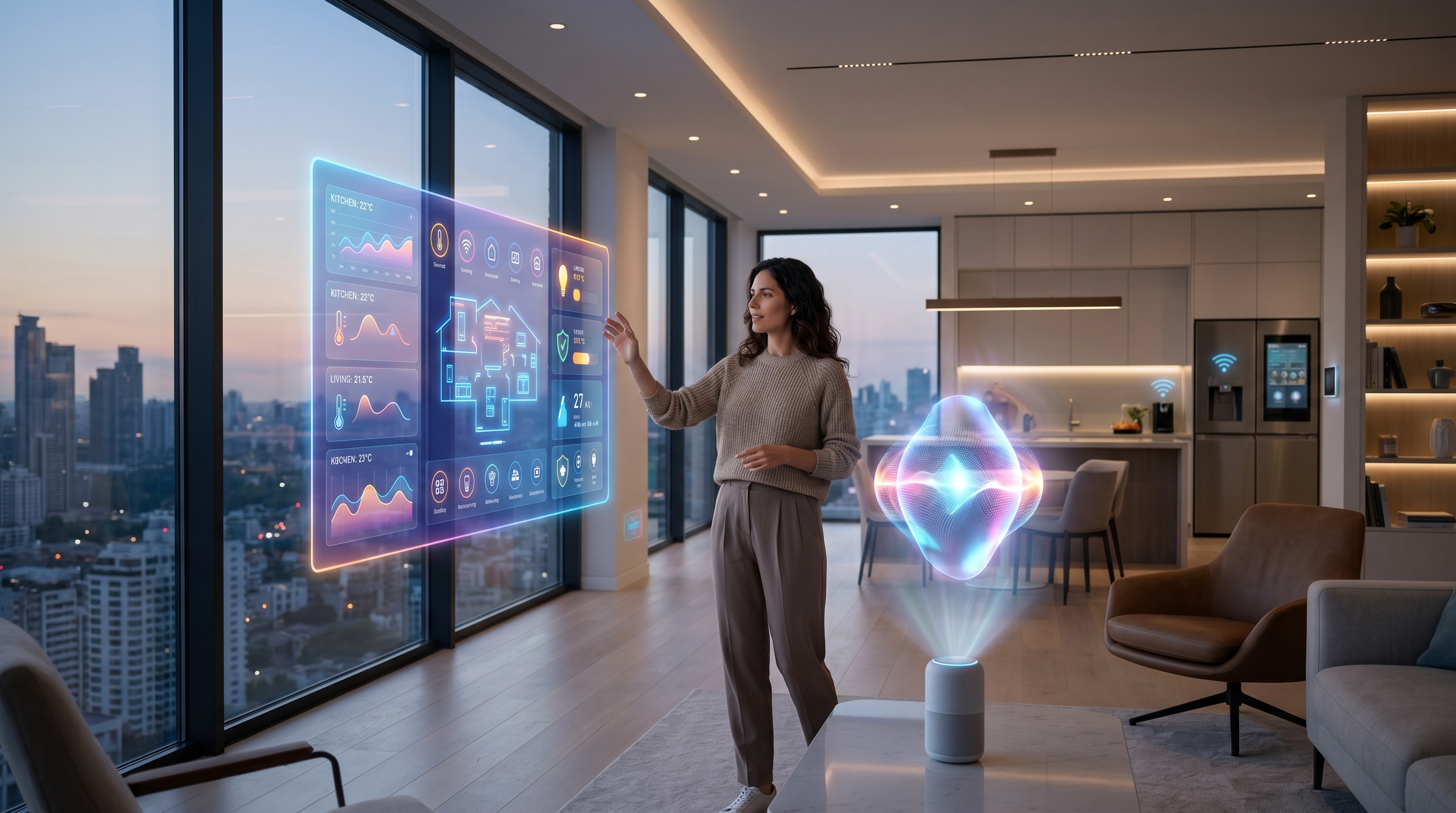
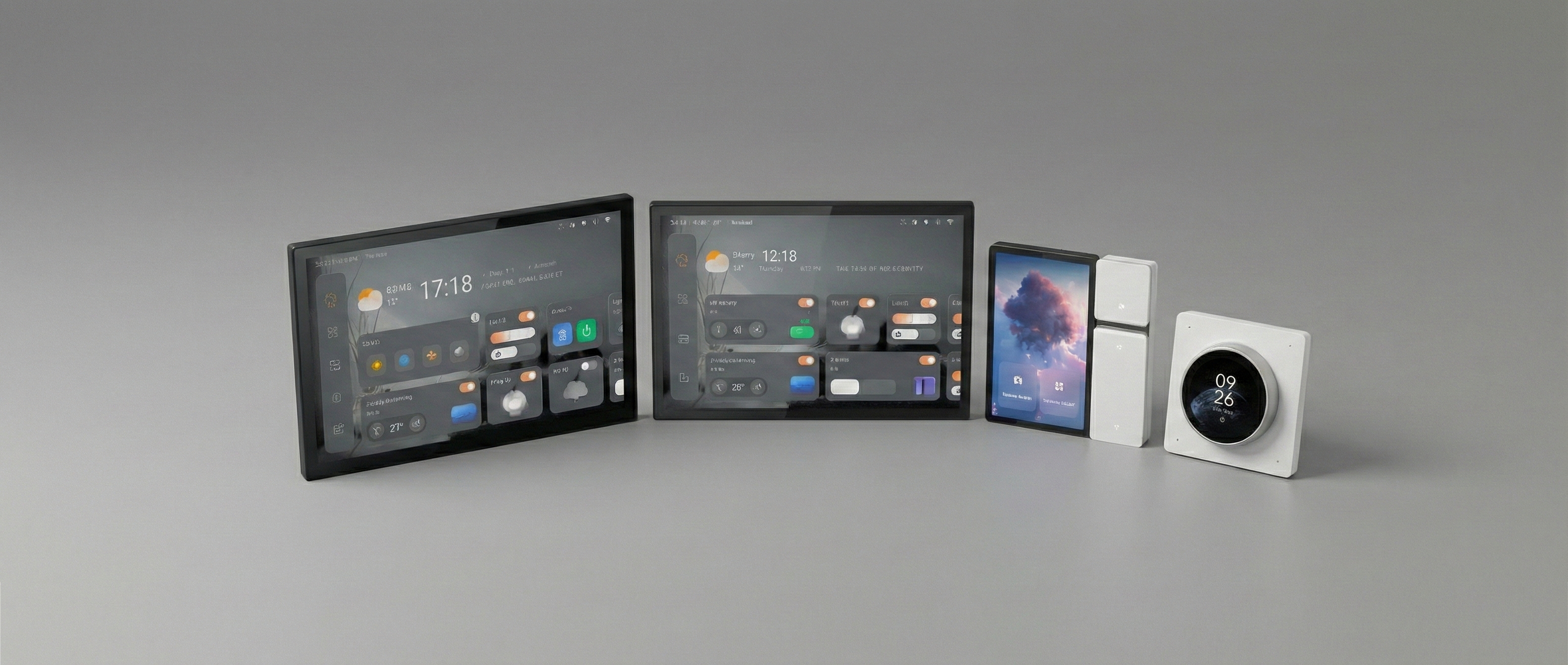
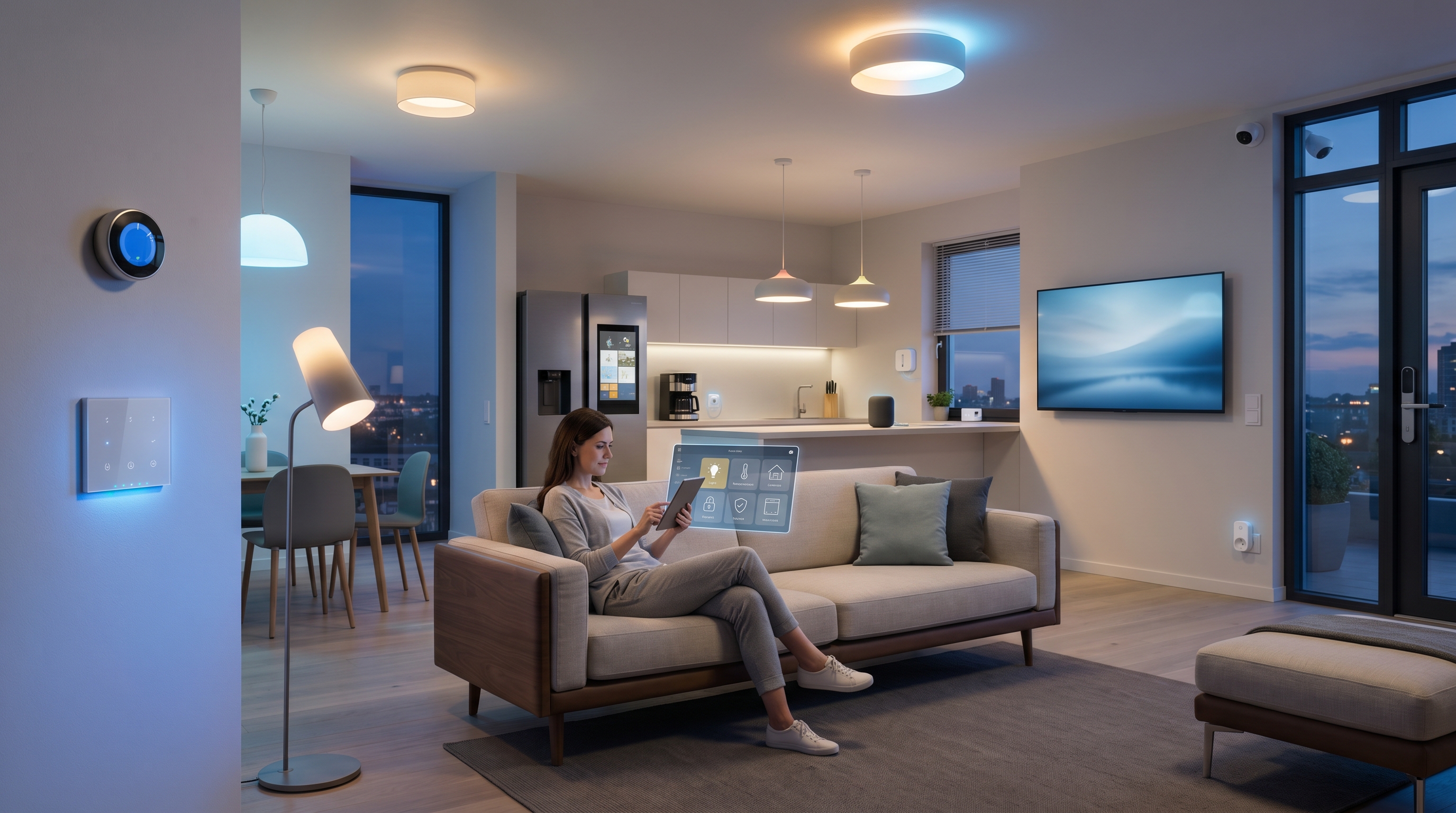
Smart home systems are technologies that allow devices in a home to connect to each other via the internet and be controlled through a central system. These systems enable users to manage lighting, security, heating, and other devices remotely.
What do smart home systems do?
Smart home systems are used to improve energy efficiency, enhance security, and increase comfort. They also allow users to control their home remotely through mobile applications.
Are smart home systems expensive?
The cost of smart home systems varies depending on the devices and the scope of the system. Basic setups can be affordable, while fully automated home systems may require a higher budget.
How are smart home systems installed?
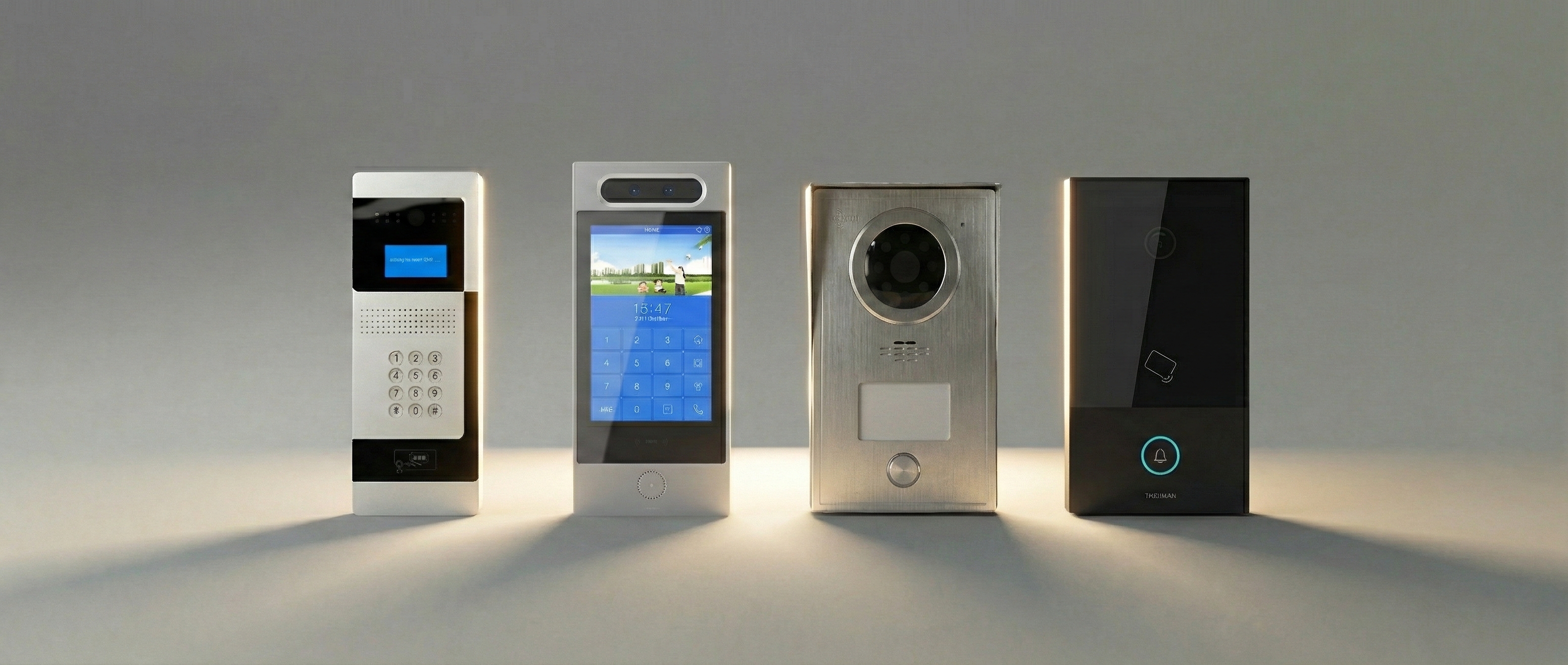
Installing a smart home system involves identifying needs, selecting compatible devices, and integrating them into a single platform. Installation can be done individually or with professional support.
Are smart home systems secure?
Yes, but proper cybersecurity measures must be taken. Using strong passwords, keeping software updated, and choosing reliable devices can significantly improve security.
Do smart home systems work without the internet?
Some smart home systems can operate over a local network without internet access. However, internet connectivity is required for remote access and full functionality.
What are the most popular smart home systems?
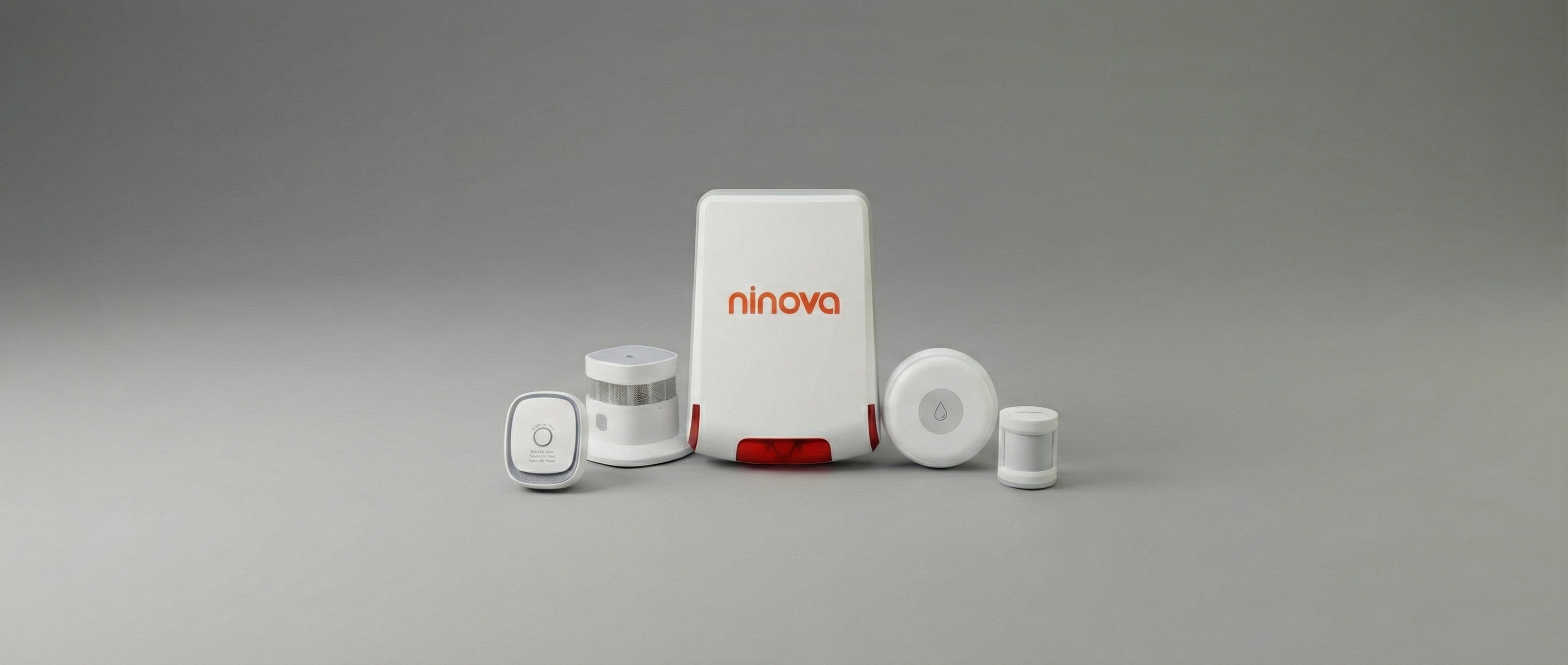
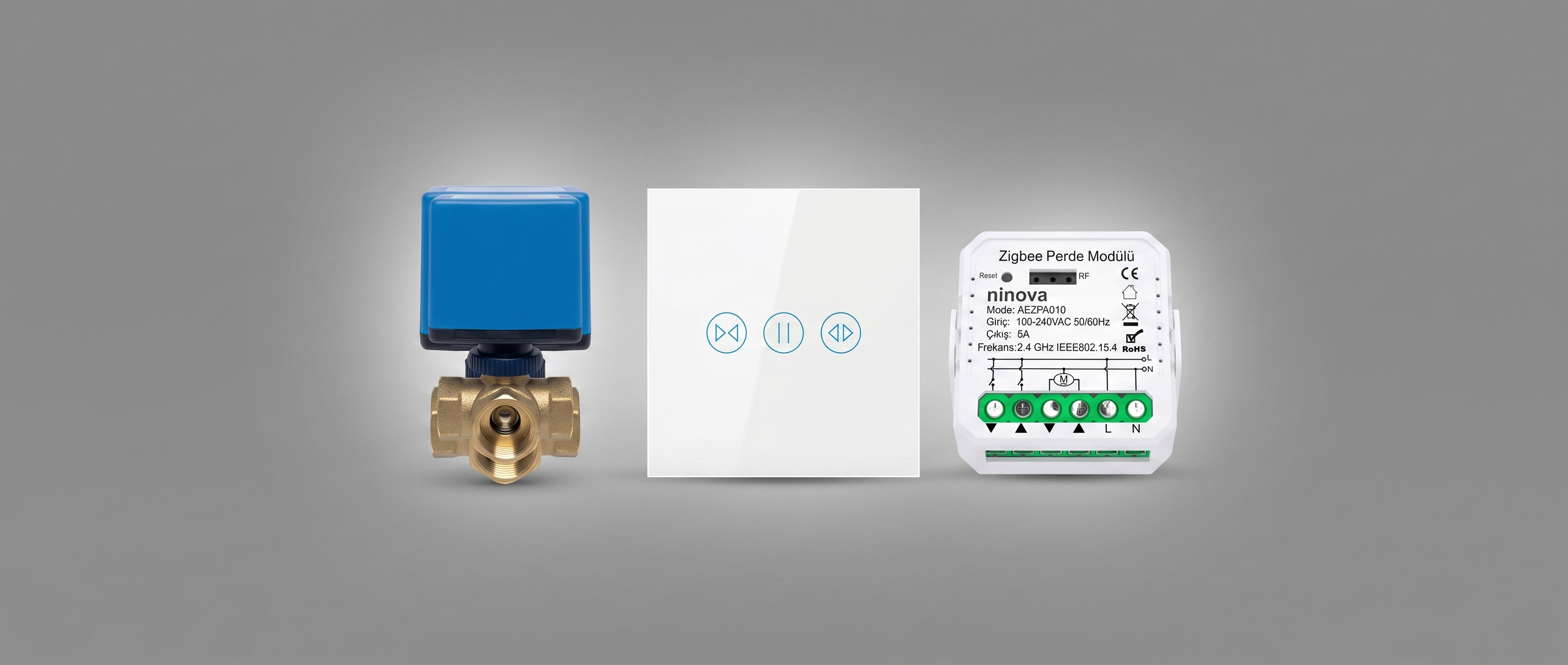
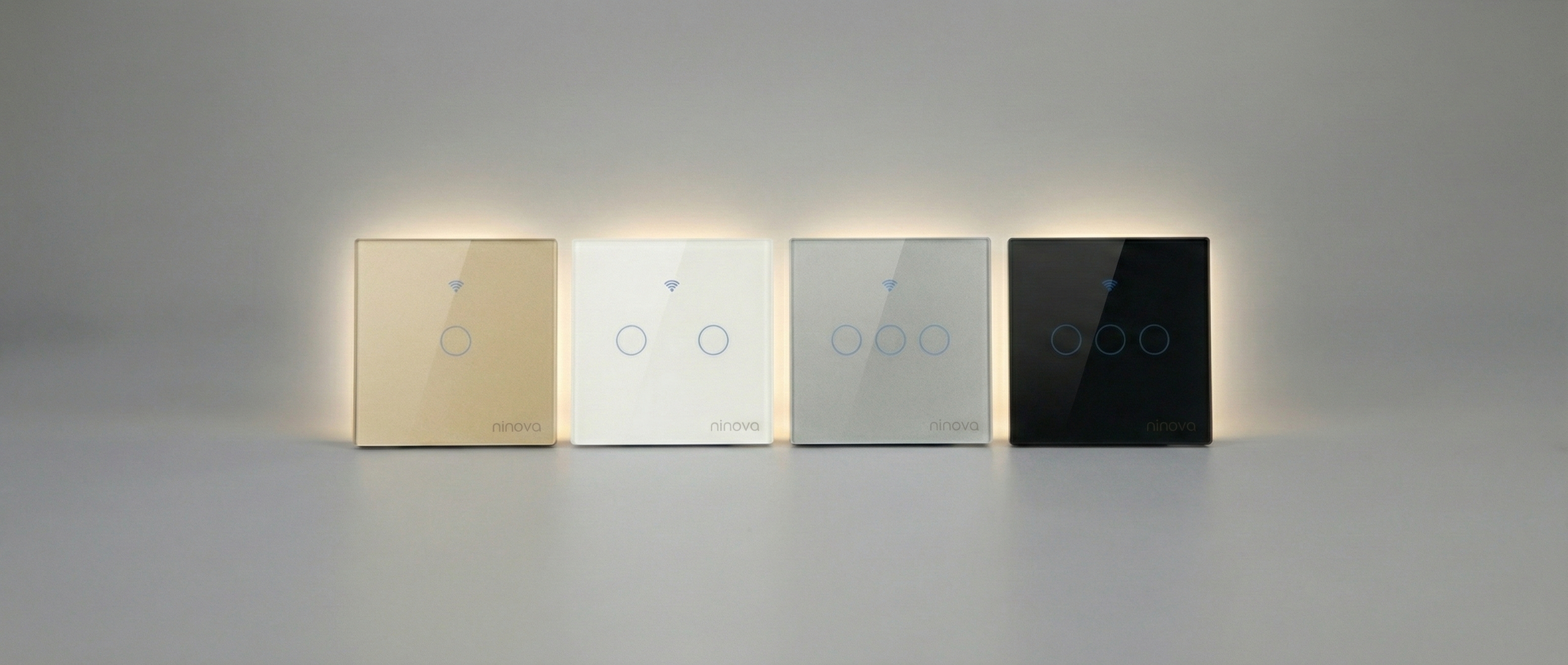
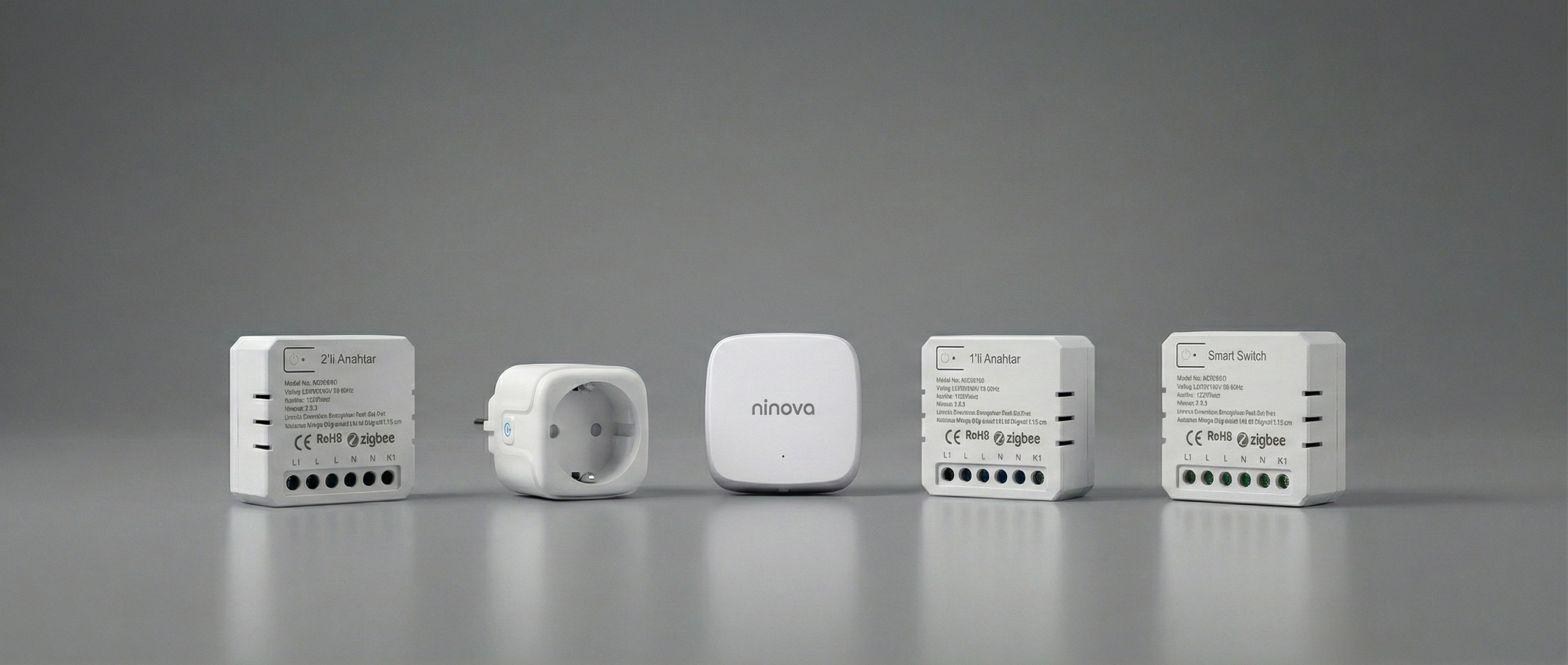
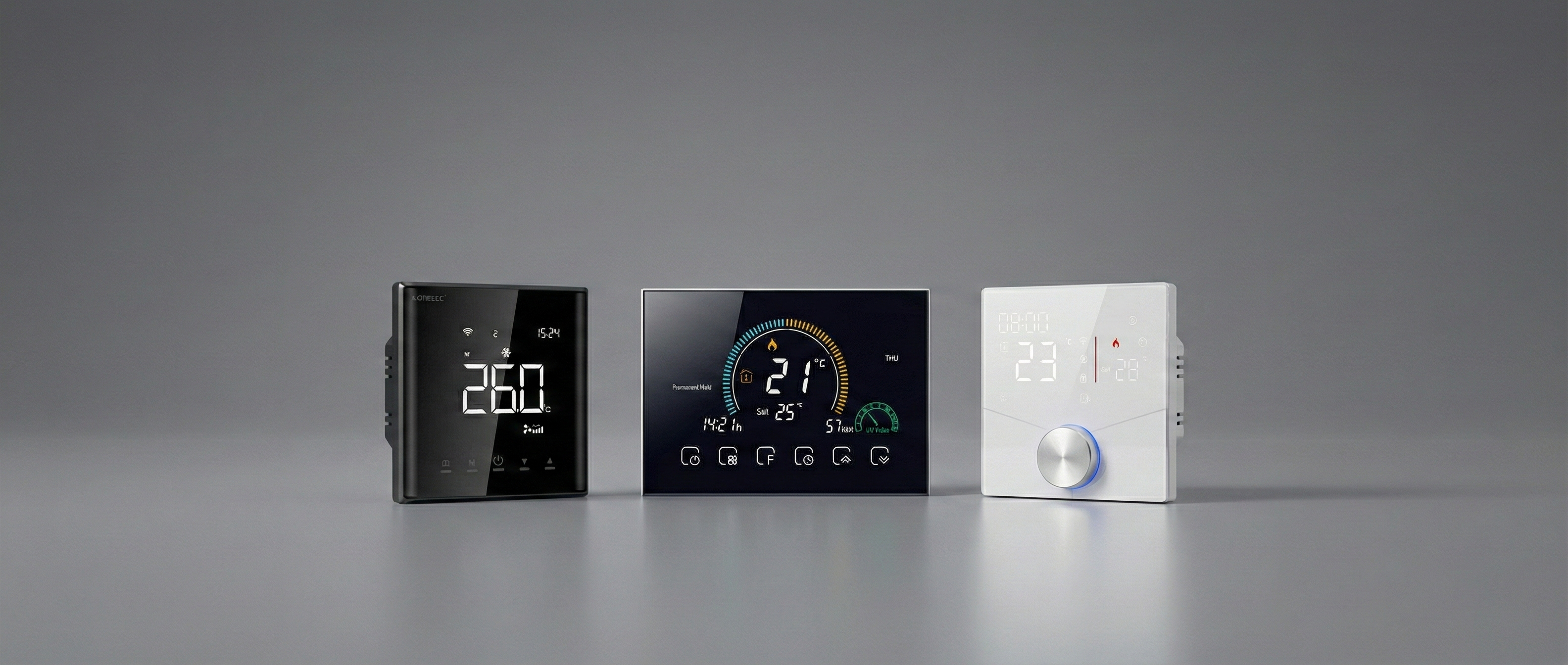
The most popular smart home systems include smart lighting, security systems, smart thermostats, automated blinds, and voice assistant integrations.
Do smart home systems save energy?
Yes, smart home systems help reduce unnecessary energy consumption through features like automated lighting and smart thermostats, leading to significant energy savings.
Can smart home systems be used in rental homes?
Yes, wireless and portable smart devices make it easy for renters to use smart home systems without permanent installation.
How will smart home systems evolve in the future?
In the future, smart home systems are expected to integrate more advanced artificial intelligence, improved energy management, and health monitoring features.